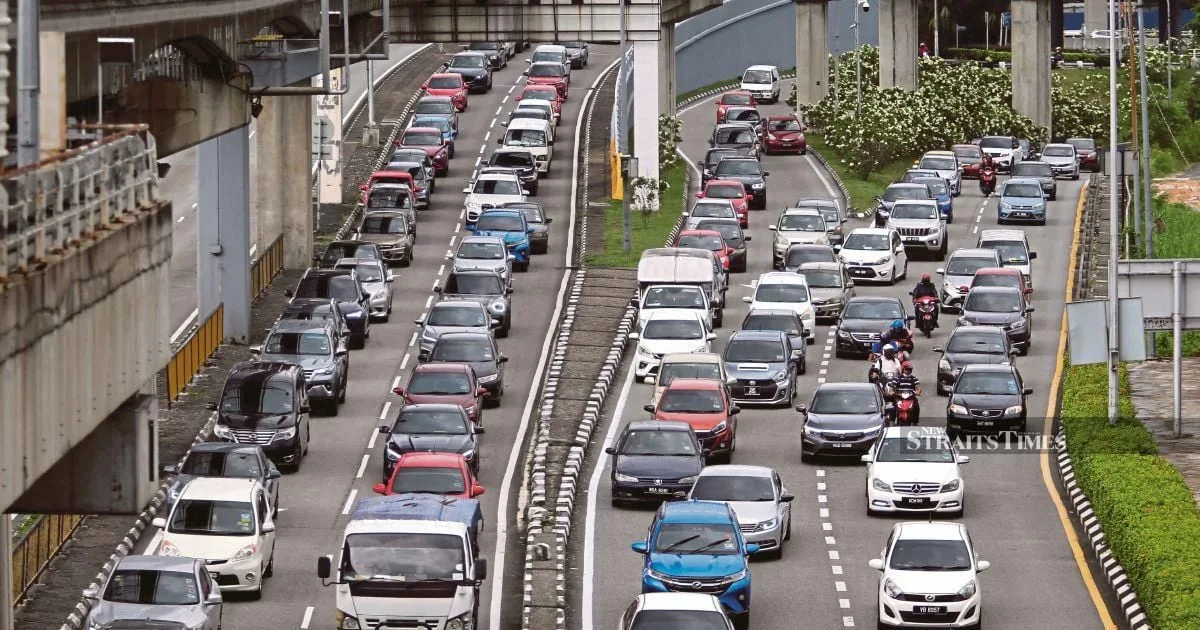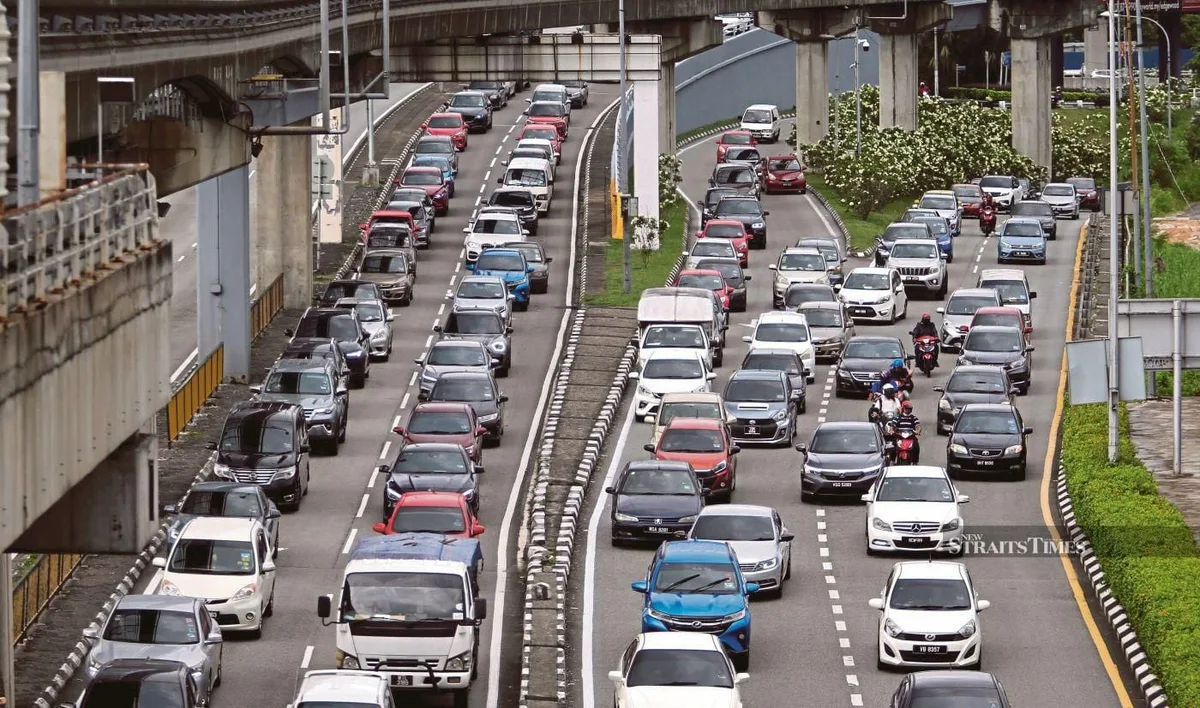
Police in Malaysia have recorded a 50% increase in reckless driving cases, with Johor, Kuala Lumpur, and Selangor reporting the highest numbers—Johor alone with 354 incidents last year [1]. Experts attribute the surge to more vehicles on the roads driven by stronger economic activity, combined with behavioural factors like impatience caused by congestion and delays. Associate Professor Dr Law Teik Hua noted, "Simultaneously, there is growing intolerance towards delays and congestion, leading to speeding, tailgating, overtaking, sudden lane changes and running red lights" [1].
Smartphone use while driving and improved enforcement recording also contribute to the increase, alongside high vehicle ownership in urban centres. However, enforcement suffers from perceptions of bribery, with the so-called Perception of Being Caught (POBC) estimated at only 30%, far below the 90% level experts believe is needed to deter reckless driving. Datuk Suret Singh said, "In our country, the POBC for traffic offences is only 30 per cent. This is a low deterrence. To change behaviour, it must reach at least 90 per cent" [1].
Dashcam footage capturing aggressive and reckless driving has become more common, exposing incidents of road rage involving sudden braking, blocking, chasing, and erratic lane changes. While these videos have raised public awareness, experts warn dashcam footage can be misleading due to editing or limited context [1, 2]. Victims of these aggressive behaviours report lasting trauma. Silver Low Yue Seng recounted avoiding confrontations but witnessing dangerous braking nearly causing a crash, while Syira described her father's hot temper behind the wheel, saying it "terrified my siblings, my mum and me because, regardless of the road conditions or the rain, he still drove above the speed limit" [2].
In a related cultural phenomenon, Malaysian creators recently gained viral attention for animating everyday road signs into playful motion graphics. A video released on July 2 gathered over 93,500 views online, though public skepticism remains over whether animated signs would be practical or safe for real traffic use [3].
Experts call for wider use of automated cameras, intelligent monitoring, stricter and more consistent enforcement, and ongoing driver education to improve road safety in Malaysia [1].