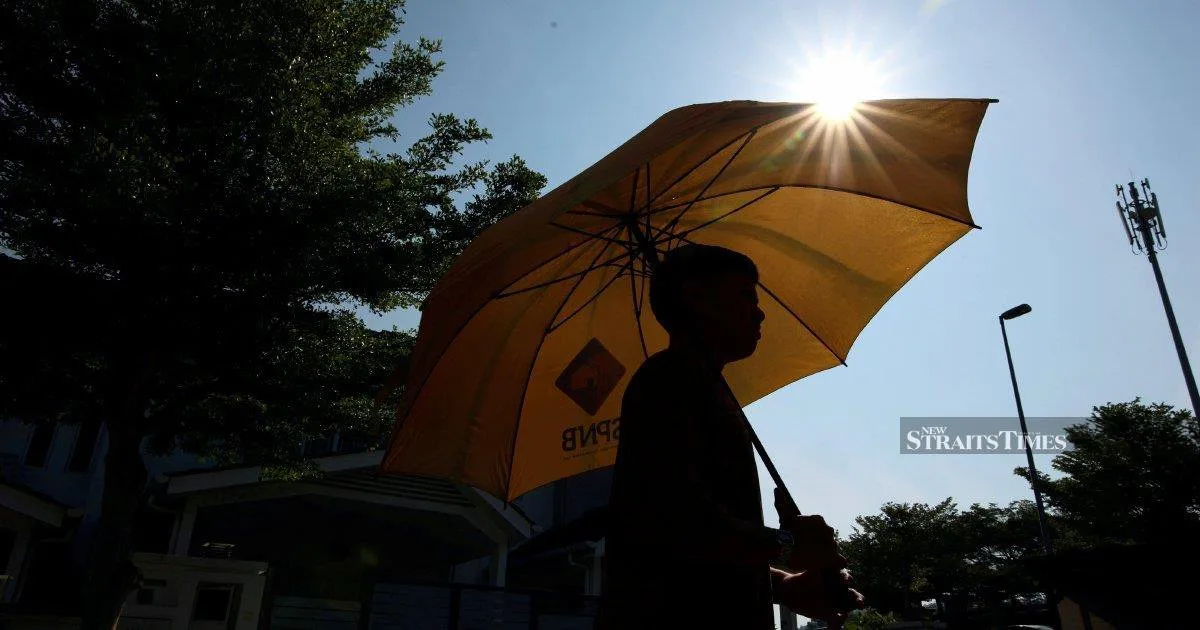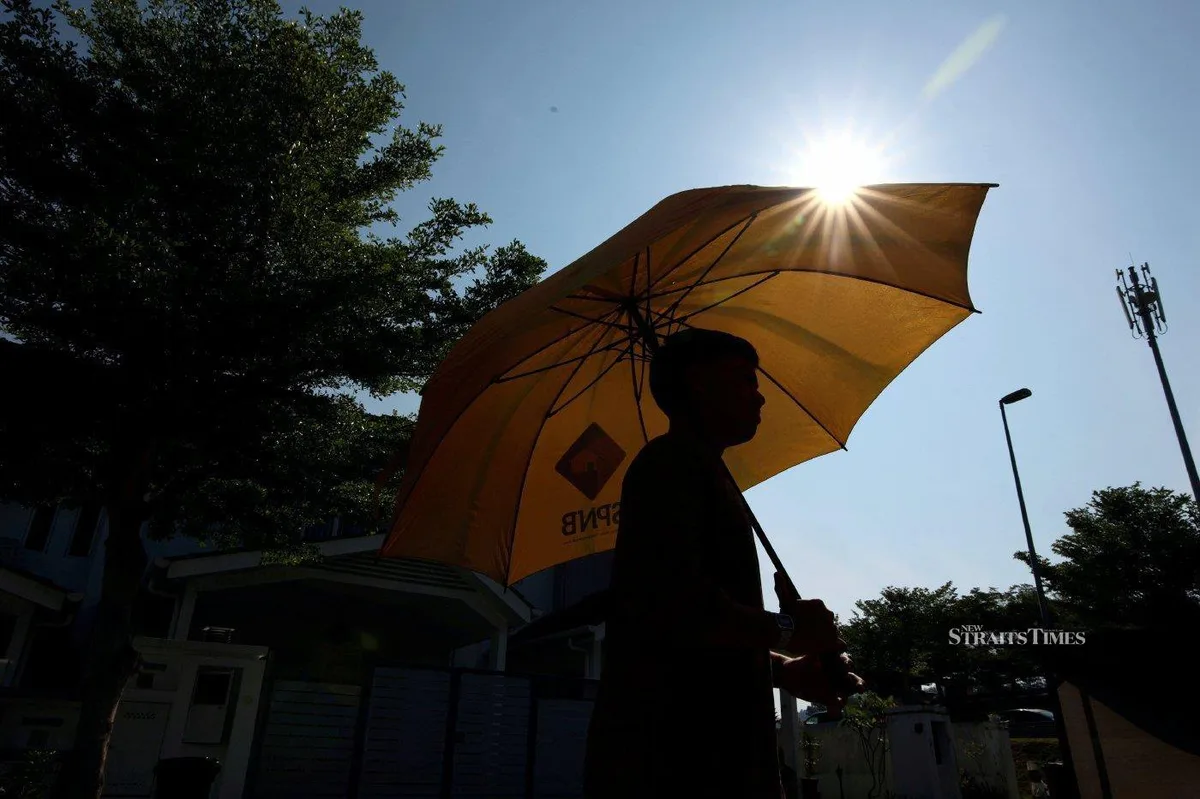
The Malaysian Meteorological Department (MetMalaysia) issued a Level 1 hot weather alert on August 25 for 17 areas across Peninsular Malaysia, Sabah, and Sarawak due to maximum daily temperatures reaching 35 to 37 degrees Celsius for at least three consecutive days [1, 2, 3, 4].
In Peninsular Malaysia, 11 districts are under alert: Larut and Matang, Kuala Kangsar, Kampar, Batang Padang in Perak; Kuala Krai in Kelantan; Kuantan, Raub, Temerloh, Pekan in Pahang; and Hulu Selangor and Gombak in Selangor [1, 2, 3, 4]. Five areas in Sabah—Telupid, Tenom, Sandakan, Pitas, and Beluran—are also affected [1, 2, 3, 4]. Marudi is the sole area under alert in Sarawak [1, 2, 3, 4].
Alongside the heat, Malaysia faces a prolonged haze crisis. On August 25, 30 monitoring stations nationwide recorded ‘unhealthy’ Air Pollutant Index (API) levels, with Sarawak the worst hit. IPD Serian in Sarawak registered the highest API reading of 180 that day [5]. The haze is attributed to transboundary smoke, dry weather intensified by El Niño, and local peat and forest fires [5].
By the morning of August 27, four Sarawak areas and one Kuala Lumpur district—Cheras with an API of 129—had unhealthy air quality readings, though no very unhealthy levels were reported at that time [6]. However, by 4pm on August 27, Lubok Antu in Sarawak’s API surged to 210, placing it in the ‘very unhealthy’ category [7]. Other Sarawak divisions including Samarahan, Sri Aman, Lundu, and IPD Serian recorded unhealthy API readings between 156 and 158 in the afternoon [7]. Kuching and most other divisions maintained moderate air quality during the same period [7].
The Level 1 hot weather alert remains active as temperatures continue to stay between 35 and 37 degrees Celsius across the affected regions [1, 2, 3, 4]. Authorities continue to monitor air quality closely amid ongoing haze conditions.