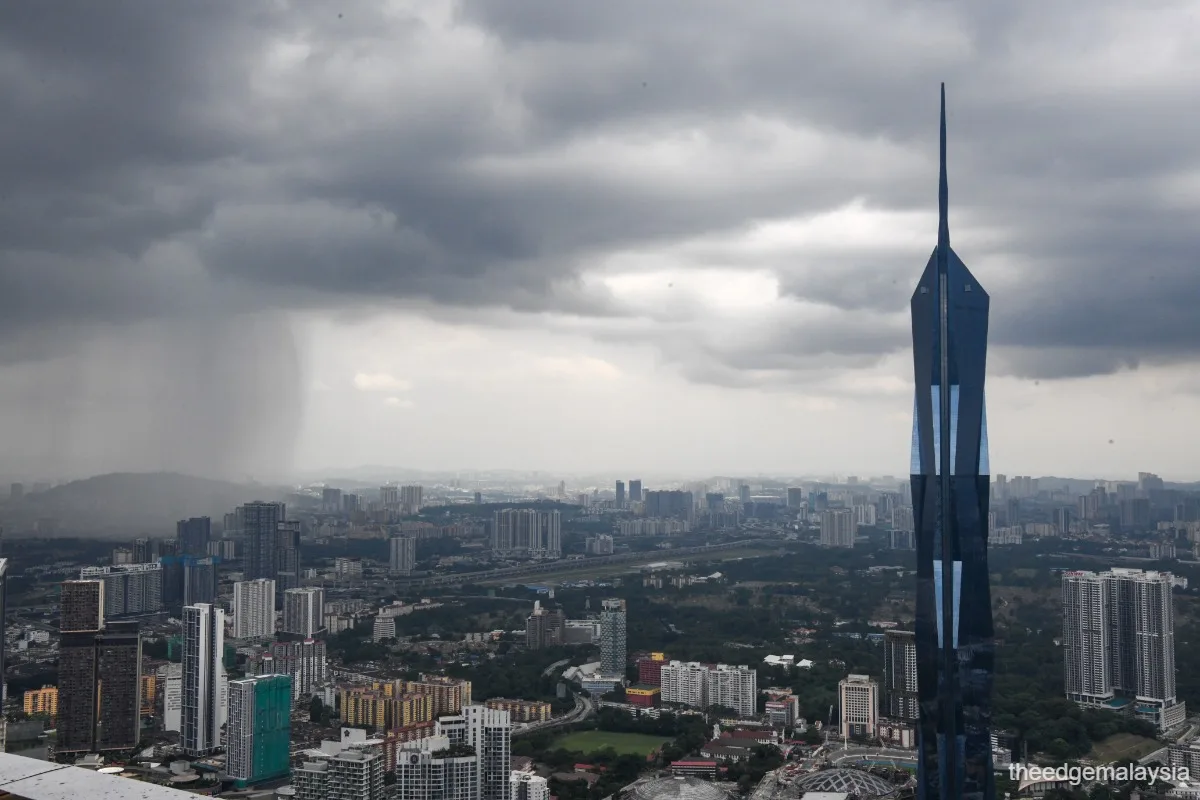
MetMalaysia issued thunderstorm warnings on August 1 for nine states along with Kuala Lumpur and Putrajaya, effective until 7 p.m. that day. The warnings covered specific districts in Perak, Kelantan, Terengganu, Pahang, Negeri Sembilan, Selangor, Johor, Sarawak, and Sabah, alerting residents to imminent or ongoing thunderstorms with rainfall exceeding 20mm per hour. These short-term alerts were issued at 3:45 p.m. and lasted no more than six hours [1, 2, 3, 4].
On August 2, the agency expanded the warnings to 10 states until 6 p.m., adding Perlis and Kedah. The affected areas partially differed from the previous day, with some changes to districts in Perak and Johor. [5, 6] MetMalaysia director-general Mohd Hisham Mohd Anip explained the period’s afternoon thunderstorms are due to temporary changes in wind patterns and high atmospheric moisture, despite it being the usually drier Southwest Monsoon season. He said, "The afternoon thunderstorms that have occurred recently are due to changes in wind patterns and the presence of high moisture in our atmosphere. It is only temporary and weather conditions are expected to return to the normal, hotter and drier Southwest Monsoon pattern." [7, 8]
Following two recent lightning-related fatalities—a 28-year-old footballer in Melaka and a 24-year-old Singaporean kayaker near Pasir Ris Beach—Mohd Hisham addressed public misconceptions about lightning safety. He noted, "One of the common misconceptions among the public is that lightning and thunderstorms are separate weather phenomena. Another inaccurate belief is that lightning is only dangerous during heavy rain." He added, "Lightning can occur even during light drizzle or strike up to 16 kilometres away from the centre of a thunderstorm. Once thick cumulonimbus clouds begin to form and thunder can be heard, people are already within an area at risk of being struck by lightning and should immediately seek shelter." [7]
On August 4, two 17-year-old students died in an unrelated motorcycle accident near Temerloh. [9] Meanwhile, the ASEAN Meteorological Centre warned that an intensifying El Niño is expected to cause hotter, drier weather along with increased haze and fire risk across Southeast Asia between August and October 2026. [10]
MetMalaysia’s thunderstorm warnings remain active for affected states as weather conditions persist, with the agency continuing to monitor changes closely and issue updates as needed. [1, 5]