The UK Met Office announced on August 21, 2026, that the 2026 El Niño event is forecast to be the most intense since the 19th century, with sea surface temperatures in the equatorial Pacific rising more than 3 degrees Celsius above baseline levels, far exceeding the usual 1 to 2°C anomaly of typical El Niño events [1, 2, 3, 4, 5, 6, 7, 8]. Adam Scaife, head of long-range forecasting at the Met Office, said, "We are expecting the biggest El Niño for over a century, peaking at something over three degrees — that is unheard-of in modern climate records" [4].
Scaife added, "I have never seen an El Niño signal this intense in our forecasts," emphasizing the rarity and strength of the event [2]. He warned that these long-term conditions will have wide impacts, including on food security: "We expect really severe droughts in places like South America and the West Pacific" [7]. The Met Office expects the UK and northwest Europe to see increased rainfall and storminess in autumn and November due to El Niño effects [9, 2, 3, 4, 5, 7, 8].
Currently, sea surface temperatures in the tropical Pacific are about 2 to 2.6°C above the 30-year average, signaling ongoing warming [3, 4, 5, 7, 8]. El Niño events usually happen every 2 to 7 years and last 9 to 12 months [1, 10, 8].
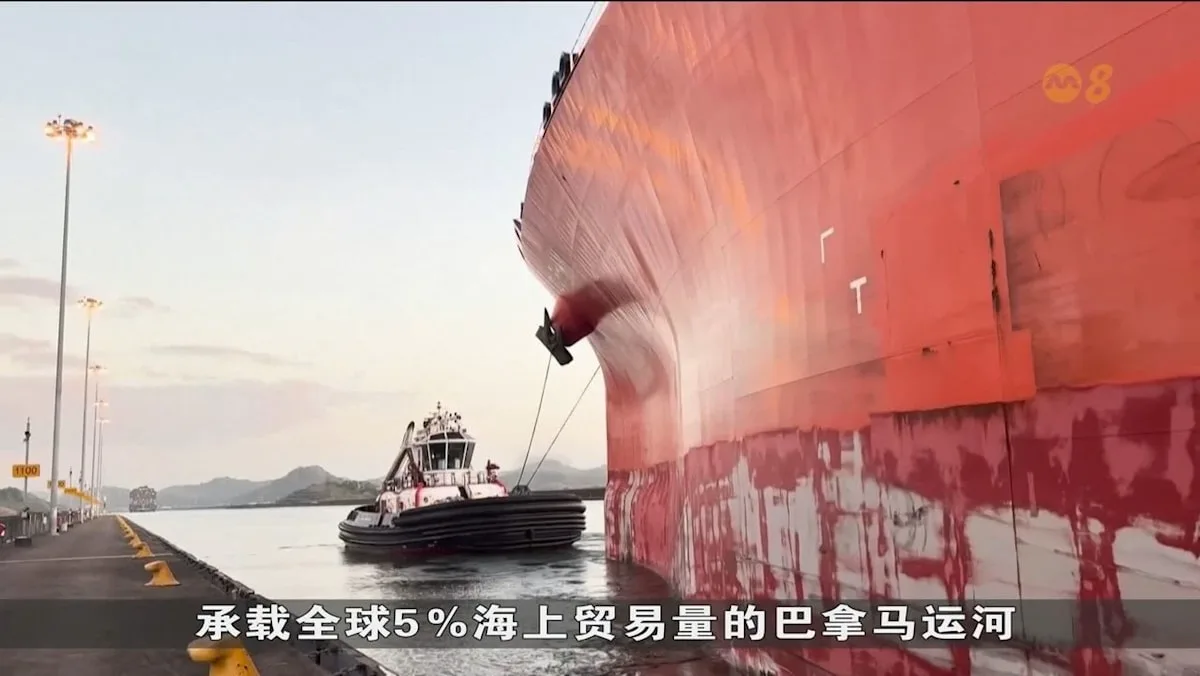
The intense drought conditions linked to El Niño are already affecting Central America. Honduras declared 80% of its territory under drought alert on August 20, 2026 [10, 8]. The Panama Canal watershed reported rainfall 34% below its historical average from May to August 2026, aggravating low water levels in the lakes that feed the canal [10, 8].
Due to these shortages, the Panama Canal Authority will reduce ship transits from 36 to 34 per day beginning September 3, 2026, and then to 32 per day from September 15 [10, 8]. The canal handles 5% of global maritime trade and about 40% of US container traffic, making these transit cuts significant [10, 8]. Approximately half of Panama's 4.2 million people rely on canal watershed lakes for water supply, raising concerns about local water management during the prolonged drought [10, 8].
Climate expert Zeke Hausfather noted, "We have many months to go while this event continues to develop and that's one of the reasons that we have increased confidence that this will be a record-setting event" [6]. The Met Office also predicted that 2027 will very likely become the warmest year on record, surpassing 2024, driven by this strong El Niño combined with human-induced climate change [1, 6].