Myanmar’s military junta declared that normal life has returned to Yangon after lifting the city’s curfew five years after the 2021 coup that triggered widespread unrest and a civil war [1, 2]. The final curfew hours, from 1 a.m. to 3 a.m., were lifted in December 2025 following gradual reductions since the coup imposed a dusk-to-dawn curfew and cracked down on protests [2].
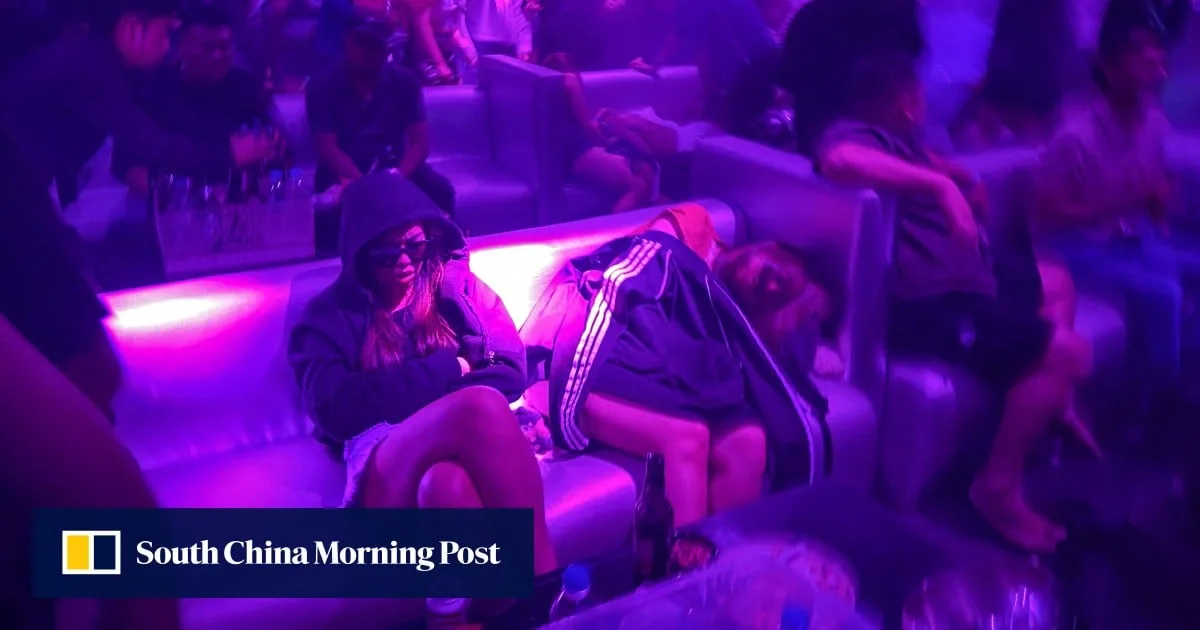
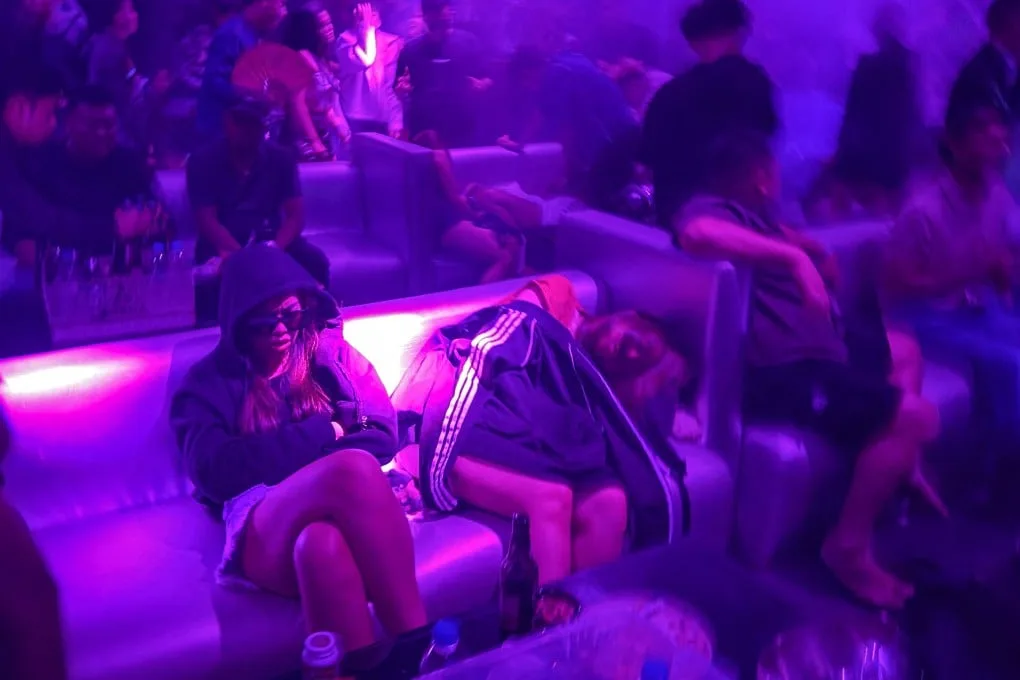
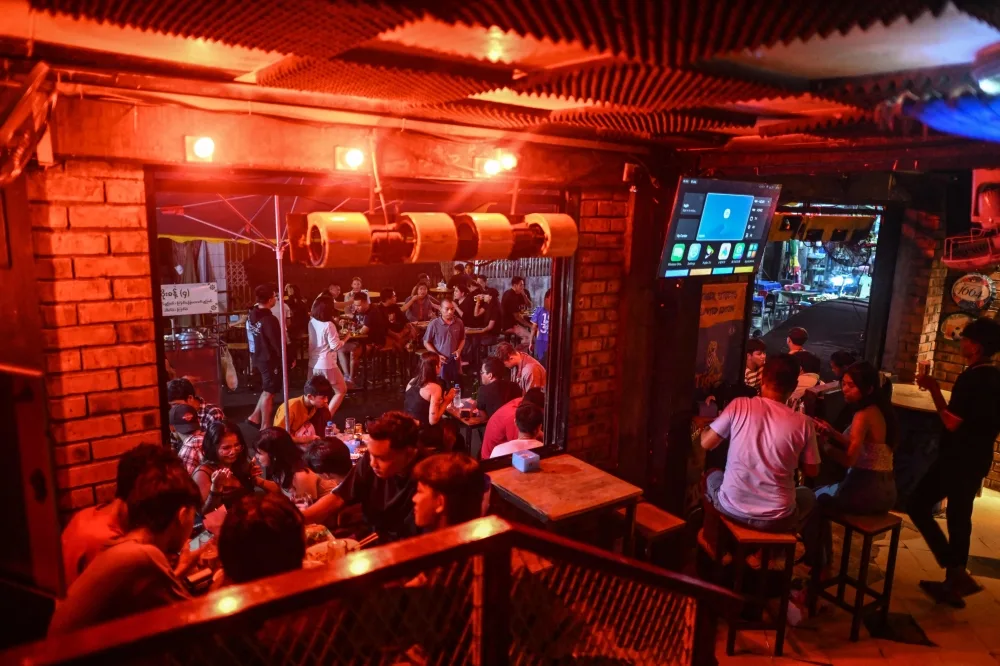
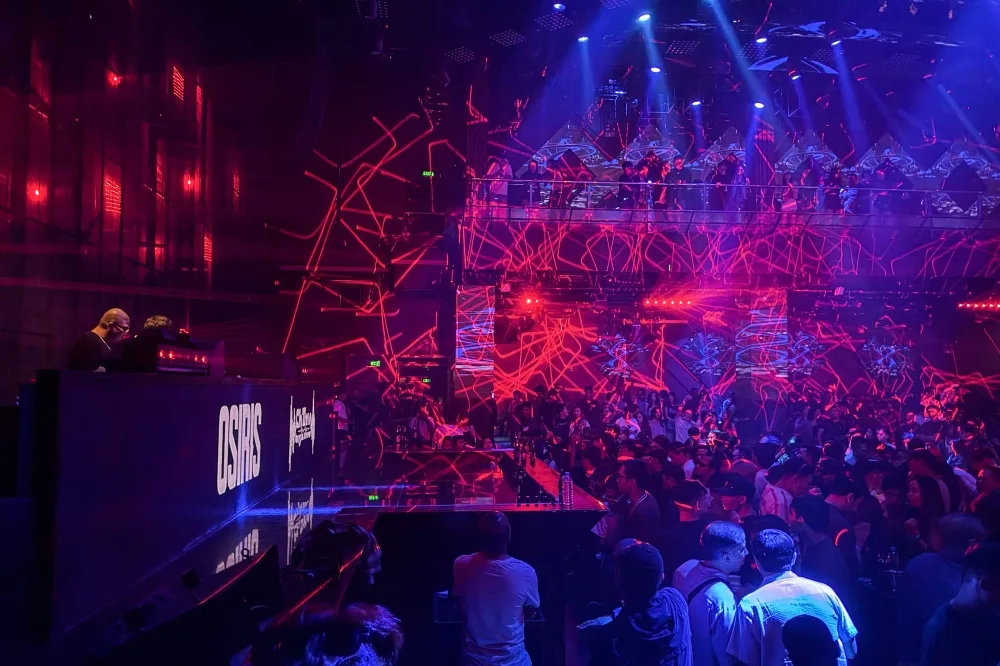
Despite the official end to curfew restrictions, many Yangon clubgoers remain cautious. Rather than going home early, they stay out late until dawn, wary of safety risks on the streets [1, 2]. The city’s nightlife continues with music reaching volumes up to 150 decibels — as loud as a jet engine at takeoff — underscoring the ongoing social life even under tense conditions [1, 2].
However, large parts of Yangon’s streets become deserted by late evening amid fears of arbitrary detention or forced conscription by military or armed groups, according to a 2025 UN report [2]. The report found that the rate of young people feeling unsafe walking alone at night more than doubled to 40% since the coup [2]. An anonymous 29-year-old Yangon partygoer said, "That became a habit, they’re used to it," referring to the altered nightlife habits born from years of uncertainty [2].
Myanmar authorities held elections after the coup and installed a new government, but the coup commander remains in power as the civilian president, keeping the political climate tense [2]. Singer Sae Sar noted the psychological toll on citizens, saying, "If they keep all their feelings inside, it can cause many problems" and urged people to find happiness despite hardships: "Life is short as a drying drop of water. Don’t be sad. Things will get better. Try just to be happy" [2].
The military coup in 2021 sparked ongoing conflict, and although Yangon’s curfew restrictions have ended, many residents still avoid the streets at night due to persistent security concerns [2].