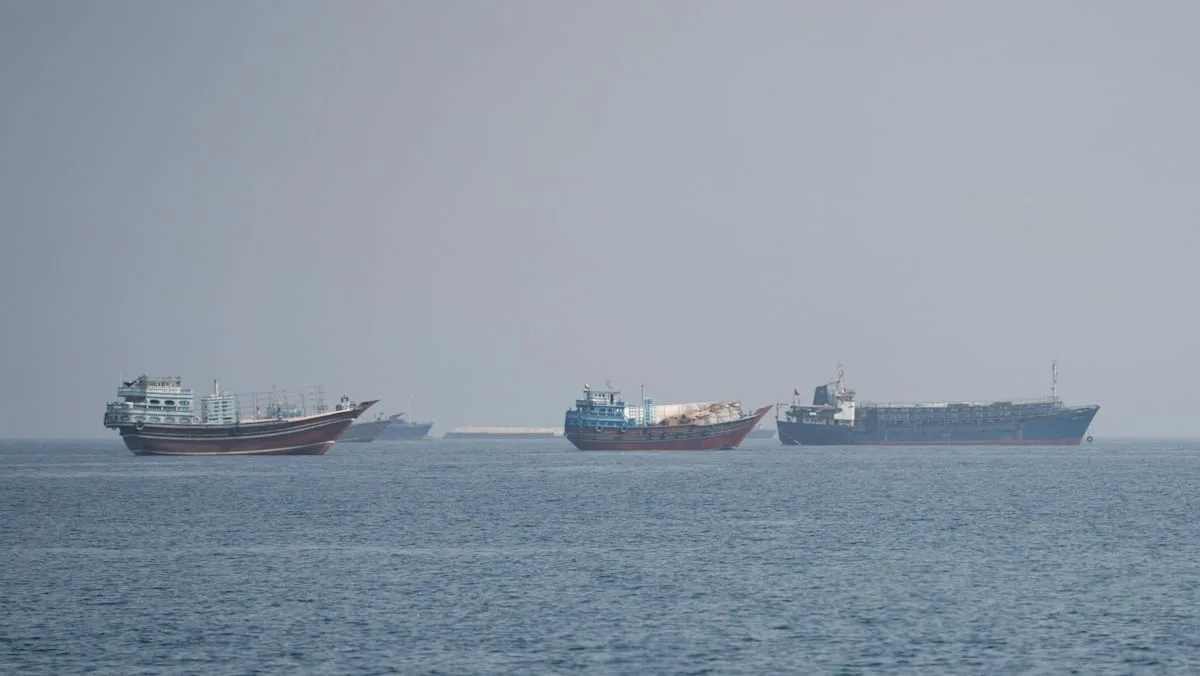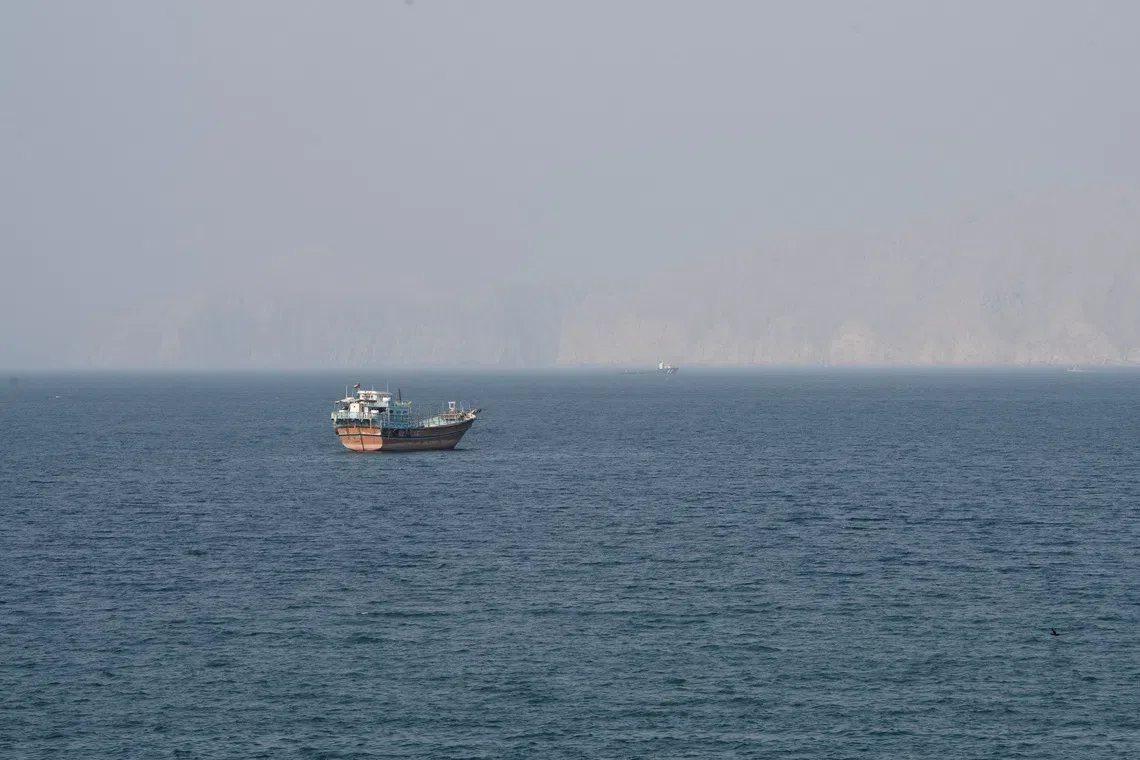
Since the outbreak of war about six months ago on February 28, 68 confirmed incidents involving commercial vessels have taken place in the Strait of Hormuz and nearby Gulf waters, resulting in at least 20 deaths, 35 wounded, and one missing among seafarers and port workers, the International Maritime Organization reported via AFP [1, 2, 3, 4, 5].
Nearly half of these incidents targeted oil tankers, while container ships accounted for 20% and bulk carriers made up 15% of the attacks. The UK Maritime Trade Operations (UKMTO) classified 47 of these events as attacks. Liberia-flagged vessels were the most affected with 13 incidents, followed by Panama and the Marshall Islands with 10 each. Iran-flagged vessels were involved in 4 incidents. "We classify 47 of the incidents as attacks, with Liberia flagged vessels most affected," UKMTO stated [1, 3, 4, 5].
The war has severely disrupted shipping through the Strait of Hormuz, a critical artery for about one-fifth of global oil and liquefied natural gas exports. On March 1, Iran closed the Strait, causing daily tanker traffic to drop sharply from around 95 vessels in February to roughly 10 per day [2, 4]. After a peace talks framework agreement reached in mid-June, traffic rebounded to about 36 vessels daily, but the collapse of talks in early July led to hostilities resuming and traffic falling again to approximately 15 vessels per day [2, 4].
During the conflict, two separate shipping lanes emerged near Hormuz: one northern lane authorized by Iran close to its coast and a southern lane near Oman, which poses greater risks from potential minefields. Iranian authorities warned vessels against using the southern, non-authorized route, expressing hopes to control the Strait post-war and charge passage fees. "Iran hopes to retain control of the Hormuz after the war and charge fees for passage, warning vessels against taking the unauthorized southern route," they said [1, 4, 5].
About 6,000 seafarers and 500 ships remain stranded in the Gulf region due to the conflict. In June, the UN International Maritime Organization launched an evacuation operation for more than 11,000 stranded seafarers, but the effort was quickly suspended after one of the ships involved was attacked [2, 4].