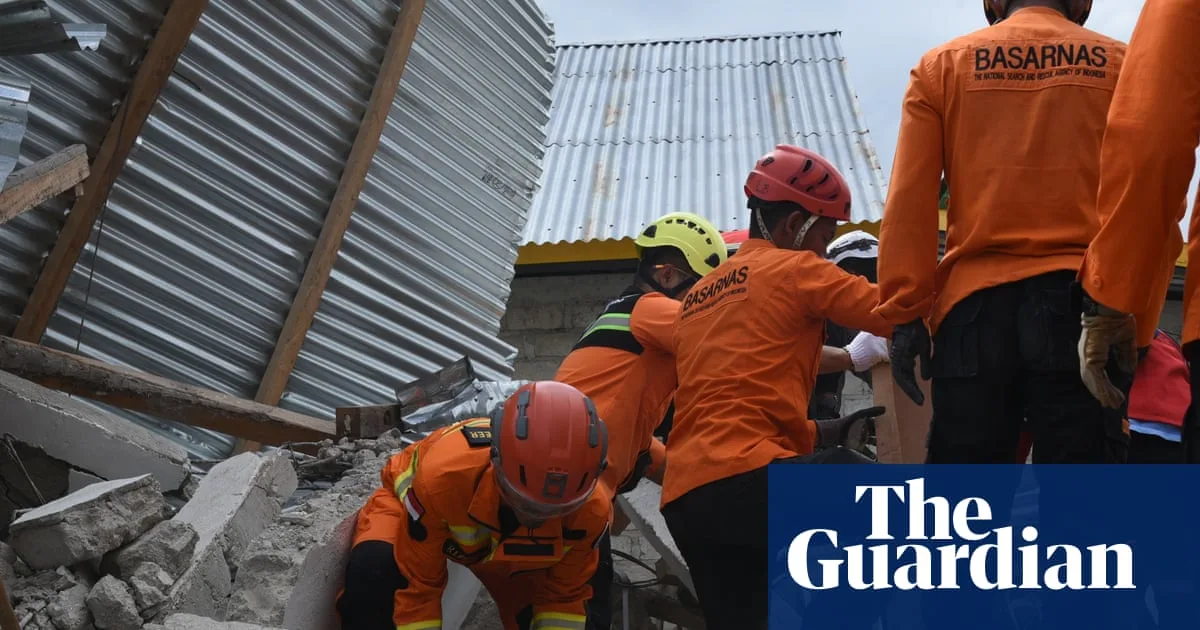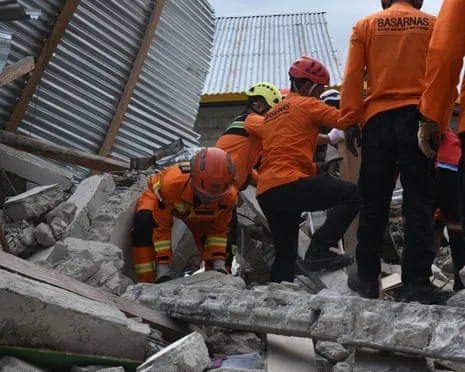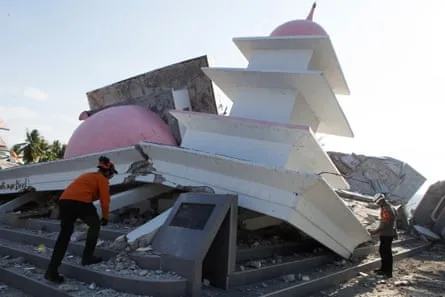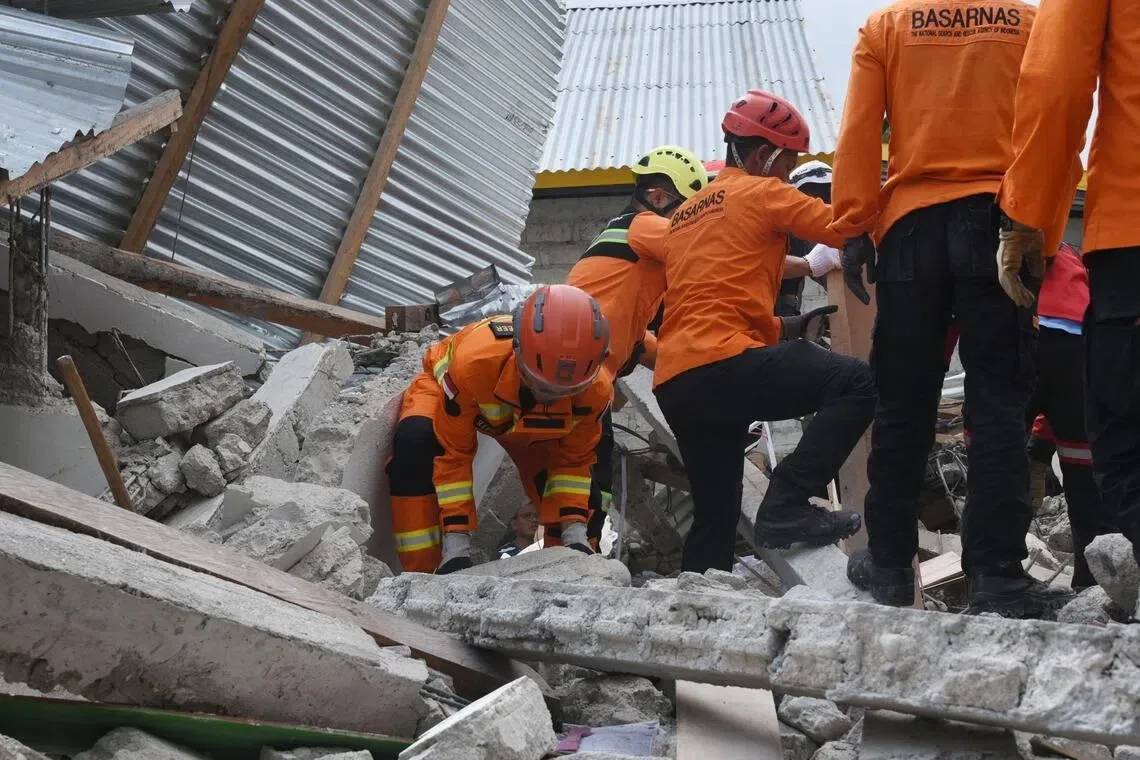
A 7.7-magnitude earthquake struck off Flores island, Indonesia, on August 15, killing at least 73 people and injuring more than 900 [1, 2, 3]. The quake displaced around 60,000 residents as aftershocks continue to rattle the region [1, 2, 3].
Paulina Pobi, an 84-year-old paralysed woman, was found alive buried beneath the collapsed bamboo walls of her home three days after the quake [1, 2, 3]. Her family initially believed she had been rescued and taken to a shelter but only found her on the fourth day because she was unable to move or speak. Rudolfus Riba said, "Because she was paralysed, she couldn’t move or speak, so it wasn’t until the fourth day that her family finally found her. She is in good health; there were no injuries at all. She was just a bit weak because she hadn’t eaten or drunk anything for days. It feels unreal, almost like a miracle" [1].
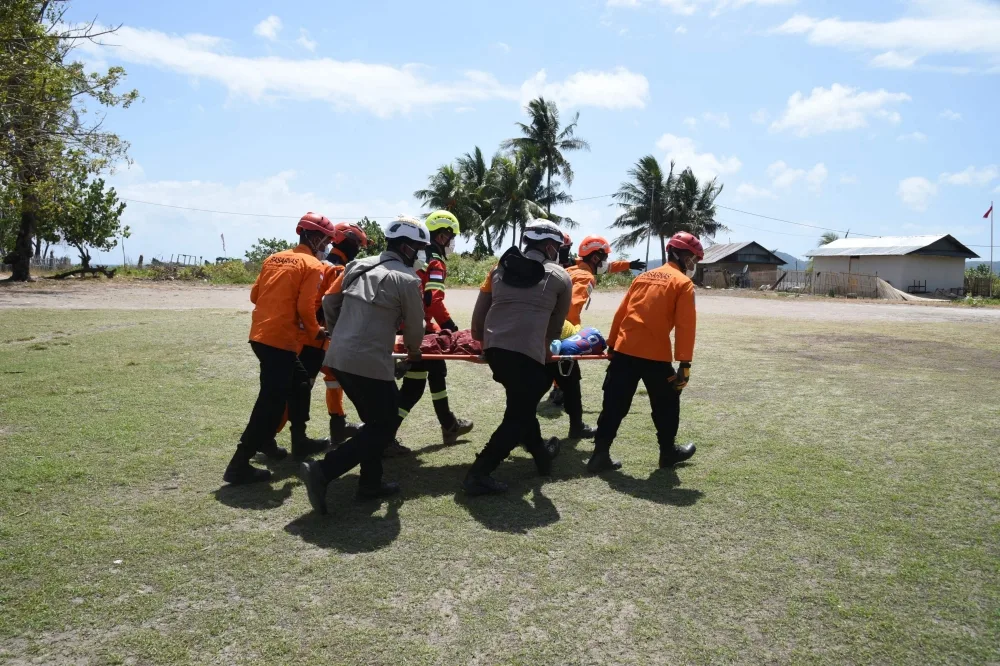
Since August 15, more than 3,000 aftershocks have been recorded with at least 86 strong enough to be felt by residents, causing fear and preventing many from returning to damaged homes [1, 2, 3]. Nearly 400 tonnes of aid including food, water, medical supplies, tents, and shelters have been distributed, although delivery has been hampered by damaged roads and mountainous terrain [1, 2, 3]. Regional police chief inspector general Rudi Darmoko said, "These refugees are not only physically injured, but they also have mental health issues that we must not ignore, especially for children" [2].
Indonesia lies on the Pacific Ring of Fire, an area of frequent seismic and volcanic activity. In 2004, a 9.1-magnitude earthquake off Sumatra triggered a tsunami that killed about 220,000 people, including roughly 170,000 in Indonesia [1, 3].
Aid delivery continues as aftershocks exceed 3,000, with relief efforts focusing on reaching displaced communities amid difficult terrain as of August 19 [1, 3].