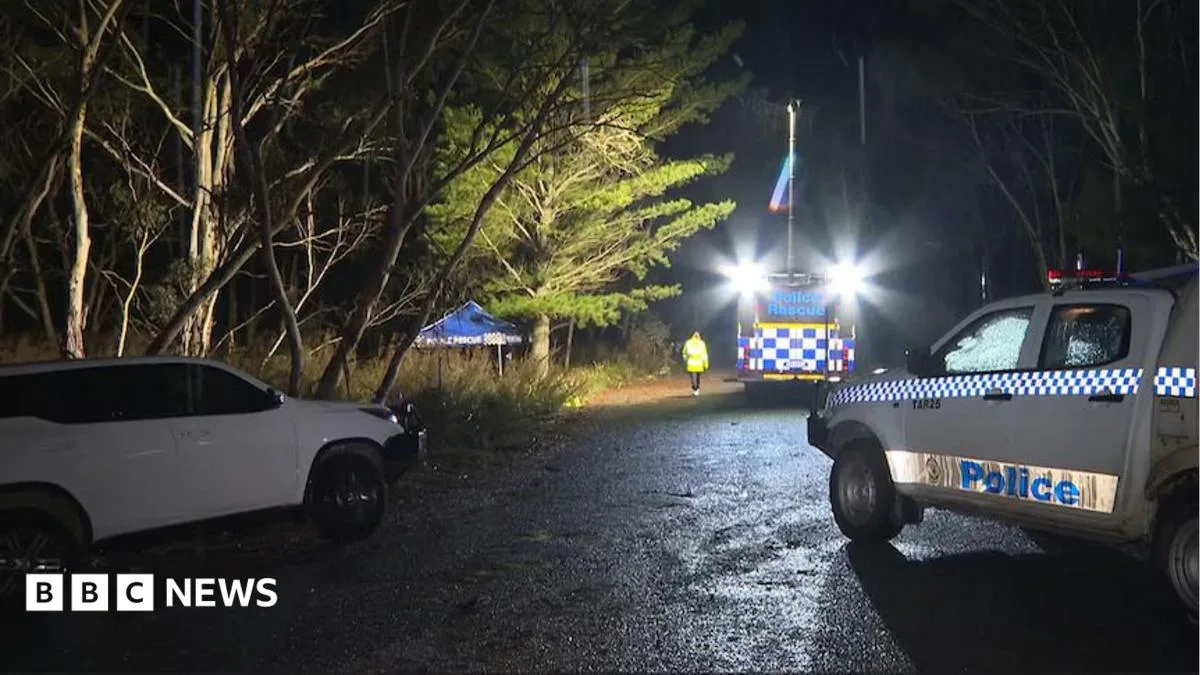
Two men driving through rural Australia on Sunday, August 9, discovered an abandoned suitcase on the side of a road near the village of Oallen, about 230 km southwest of Sydney, containing what initially appeared to be human remains [1, 2, 3, 4, 5, 6]. They promptly reported the find to police.
New South Wales Police launched a murder investigation after the discovery [1, 3, 4, 5, 6]. However, forensic testing showed the contents were not human remains but a very lifelike doll. The doll wore clothes, had hair, a nose piercing, and markings resembling bruises and grazes, which contributed to the initial confusion [1, 2, 3, 4, 5, 6].
Police Superintendent Linda Bradbury explained, "They were mistaken for a human originally. They are very realistic in terms of looking like human remains" [3]. She added the police handled the case carefully and followed all forensic procedures, saying, "The idea is to not disturb crime scenes as much as possible, to maintain the integrity of our investigation. I have no regrets about how the case was handled" [1].
Bradbury also acknowledged the impact on the two men who reported the suitcase, calling the discovery "quite a shocking" one for them and affirming they "made the right decision to report the find" [1]. Police plan to inform the men that no human remains were found.
After confirming the object was a doll, authorities closed their investigation [1, 3, 4, 6]. The case has thus been resolved without further action.
The incident highlights the challenge of distinguishing real remains from very realistic replicas in forensic investigations, especially in remote areas. Police continue to emphasize following proper procedures in such situations.