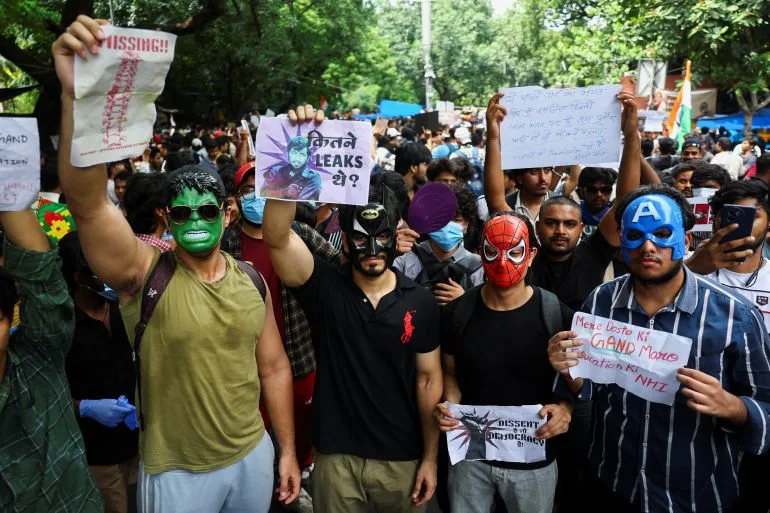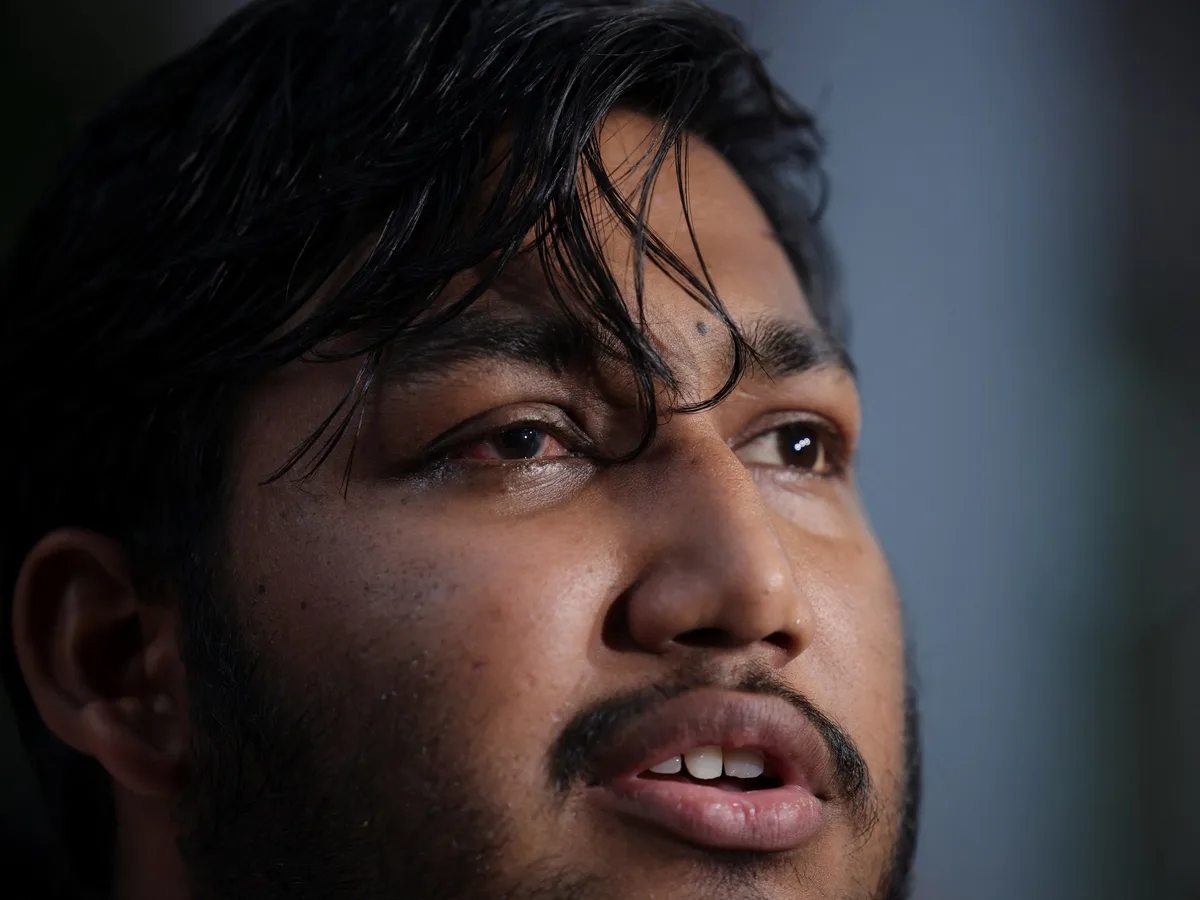
Thousands of youth protesters in New Delhi and Bihar took to the streets on July 20, 2026, after a leak of the national medical entrance exam papers triggered widespread outrage. The demonstrators demanded the resignation of Education Minister Dharmendra Pradhan, whose resignation was secured last month amid mounting pressure [1, 2, 3, 4, 5, 6, 7].
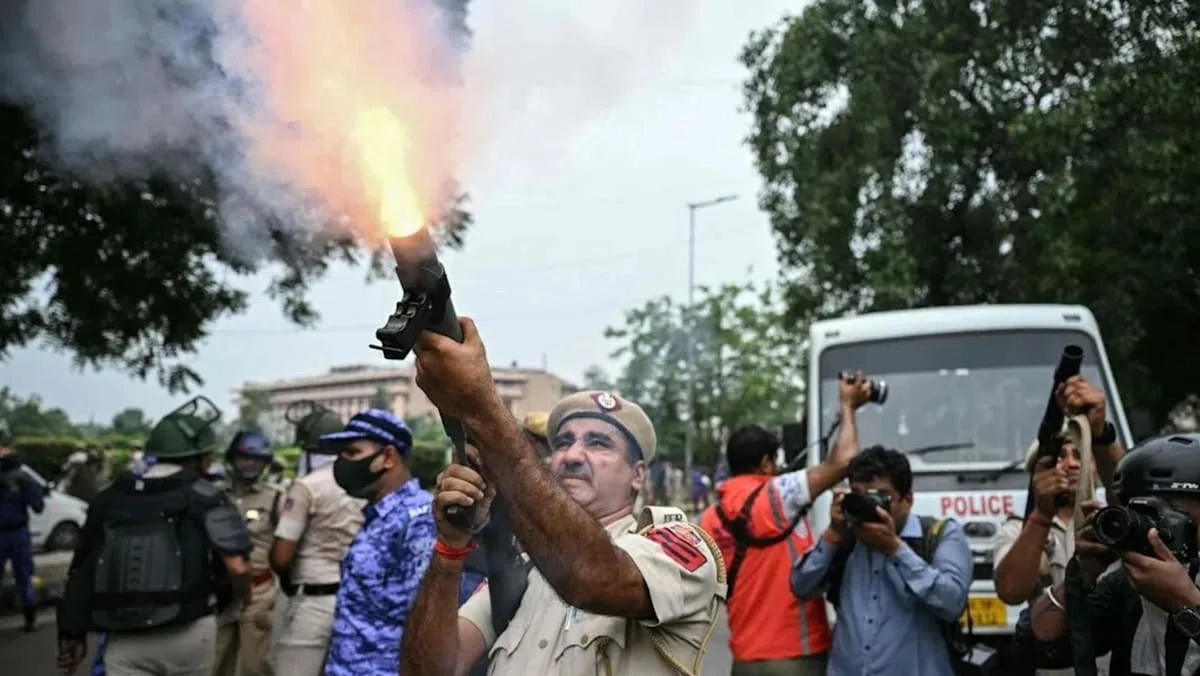
Amnesty International's investigation found Indian police used pellet-firing shotguns, grenades, tear gas launchers, batons, and electric shock devices against protesters. The group verified two cases in Bihar’s Siwan district where lethal force was unlawfully used, though no fatalities were reported. More than 100 students were injured during the crackdown, including pellet wounds recorded in hospital documents [1, 2, 3, 4, 5, 6, 7].
Amnesty said, "The weapons were deployed in a manner that breached international law and standards and domestic policing guidelines," and described the response as "state-sanctioned violence masked as crowd control" [2, 4].
The police and government deny claims of excessive force, stating that force was only applied after protesters resorted to violence. Delhi Police said at a Supreme Court hearing, "Anti-social elements masqueraded as aggrieved students, causing grievous injuries to security forces" [1]. Protesters did throw stones in isolated incidents, but Amnesty maintains the police response was disproportionate [1, 3, 4, 5].
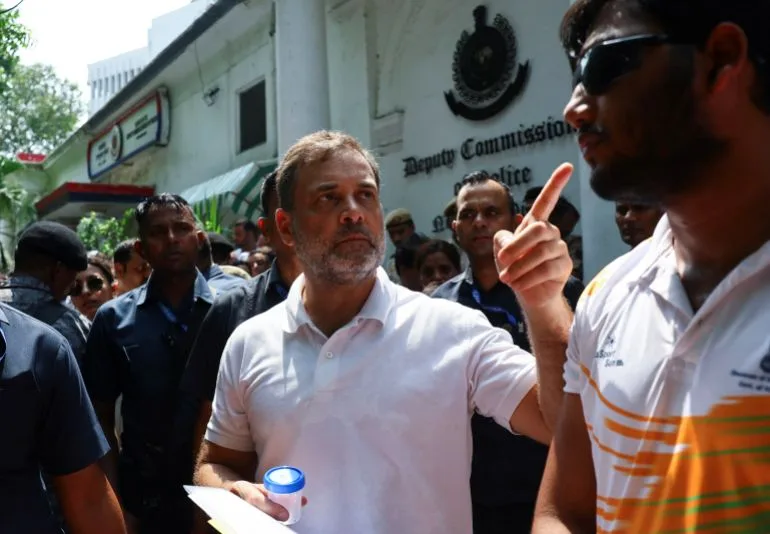
The protests were led by the youth-led online group Cockroach Janta Party and expanded from outrage over the exam scandal to broader issues, including unemployment and criticism of Prime Minister Narendra Modi’s increasingly authoritarian governance. Opposition leader Rahul Gandhi joined the protests and staged a sit-in with a wounded 19-year-old protester outside a Delhi police station, demanding a police investigation and Home Minister Amit Shah’s resignation over police brutality. Gandhi said, "We demand a police investigation into the shooting incidents and accountability from the Home Minister" [2, 3, 4, 5, 6, 7].
The protests and police response represent Prime Minister Modi’s most significant challenge since winning a third term in 2024 [3, 4, 5, 6].
On August 20, India’s Supreme Court established a panel to investigate the violence involving both police and demonstrators [1, 3, 4, 5, 6, 7]. The investigation is ongoing as public pressure mounts for accountability.