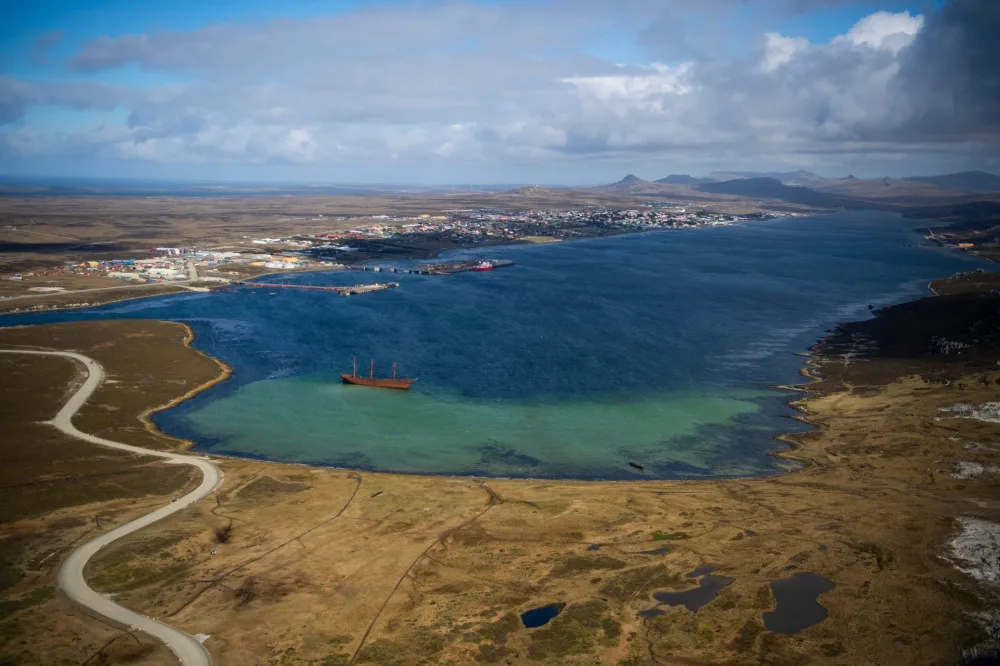
Argentina launched investigations and imposed sanctions on 45 entities linked to hydrocarbon exploration and exploitation around the Falkland Islands on September 4, escalating disputes over the islands' sovereignty [1, 2, 3, 4].
The targeted companies are from the UK, US, Canada, Israel, Denmark, and the Netherlands, though official statements did not disclose their names [1, 2, 3, 4]. The Falkland Islands, a British Overseas Territory about 600 kilometers east of Argentina's southern tip, remain a long-standing subject of contention between the two countries [1, 2, 3, 4].
Argentina's President Javier Milei reaffirmed his government's claim on the islands, declaring "There are winds of change in the world that are favourable to our claim" [2, 3]. He further suggested the UK should transfer sovereignty to Argentina through an arrangement similar to the 1984 Sino-British Joint Declaration, which led to Hong Kong's return to China. "The UK used this approach for Hong Kong, so why not reach an agreement to allow these islands to eventually return to Argentina? They belong to us," he stated [5].
On August 31, US President Donald Trump announced that the US was reassessing its position on Falkland Islands sovereignty, signaling a potential shift in policy [1, 2, 3, 4]. Reports also emerged that the US threatened to oppose UK sovereignty over the islands if the UK did not raise its NATO defense spending, though these reports remain medium confidence [1, 2, 3, 4].
The UK responded firmly. British Defence Secretary Wes Streeting reiterated the UK's unshakable commitment to the Falklands, emphasizing, "The Falklands are British because Falkland Islanders choose to be British" [1, 2, 3, 4].
Following Argentina's sanctions announcement, major oilfield service companies Schlumberger, Halliburton, and Baker Hughes declared they would not continue or start hydrocarbon projects near the Falklands, citing the escalating political risks [2, 3, 4]. President Milei posted on social media on September 5 that these developments align with Argentina's plans [2, 4].
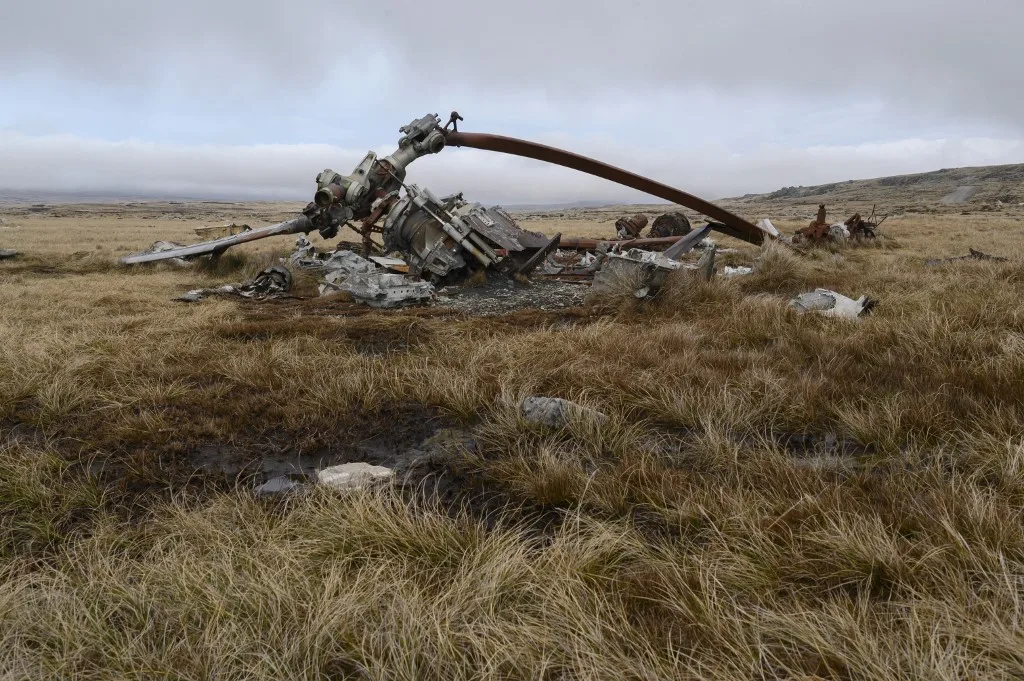
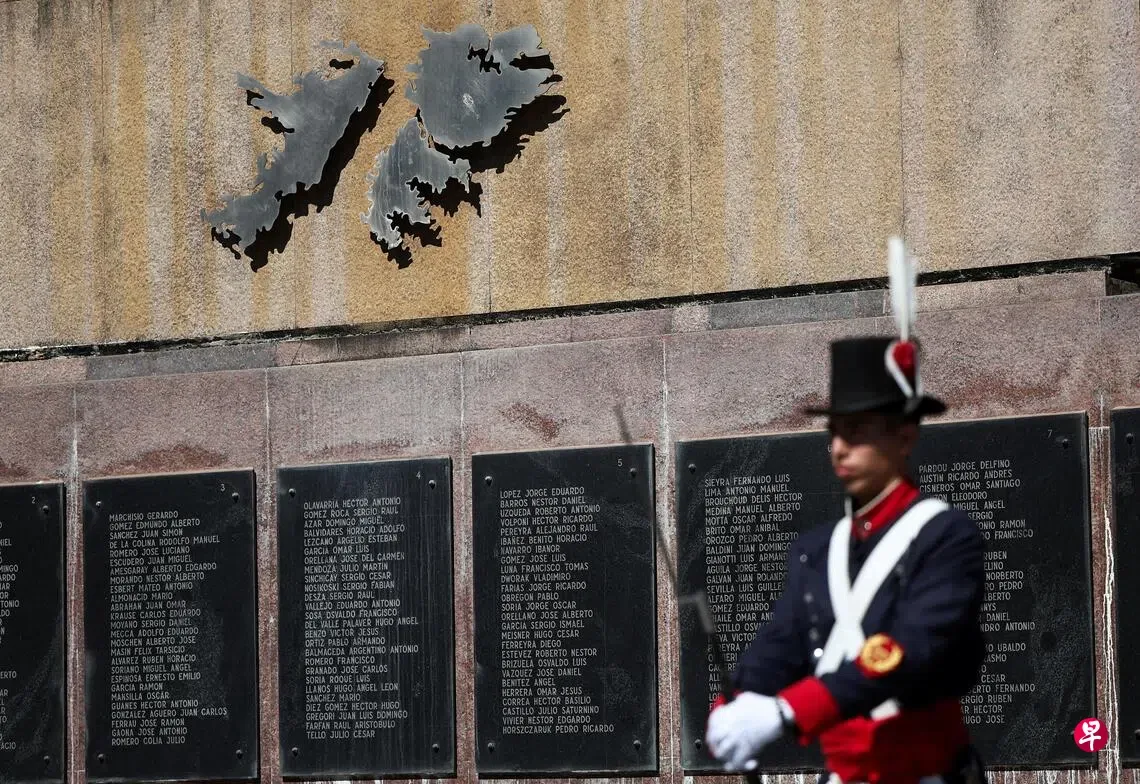
The Falklands War of 1982, a 10-week conflict over the islands, caused 649 Argentine and 255 British casualties and ended with Argentina's surrender, yet the dispute over sovereignty persists decades later [1, 2, 3, 4].
Argentina’s government has stated it views the country as a reliable partner aligned with Western values and a potential ally to the US for decades ahead [5, 6].
The investigations and sanctions on the 45 entities mark a new phase in Argentina’s efforts to exert pressure on foreign companies operating near the Falklands. Oil and gas activities in the disputed waters are likely to remain contentious.
Further diplomatic and commercial responses are expected as these measures start to take effect in the coming weeks.