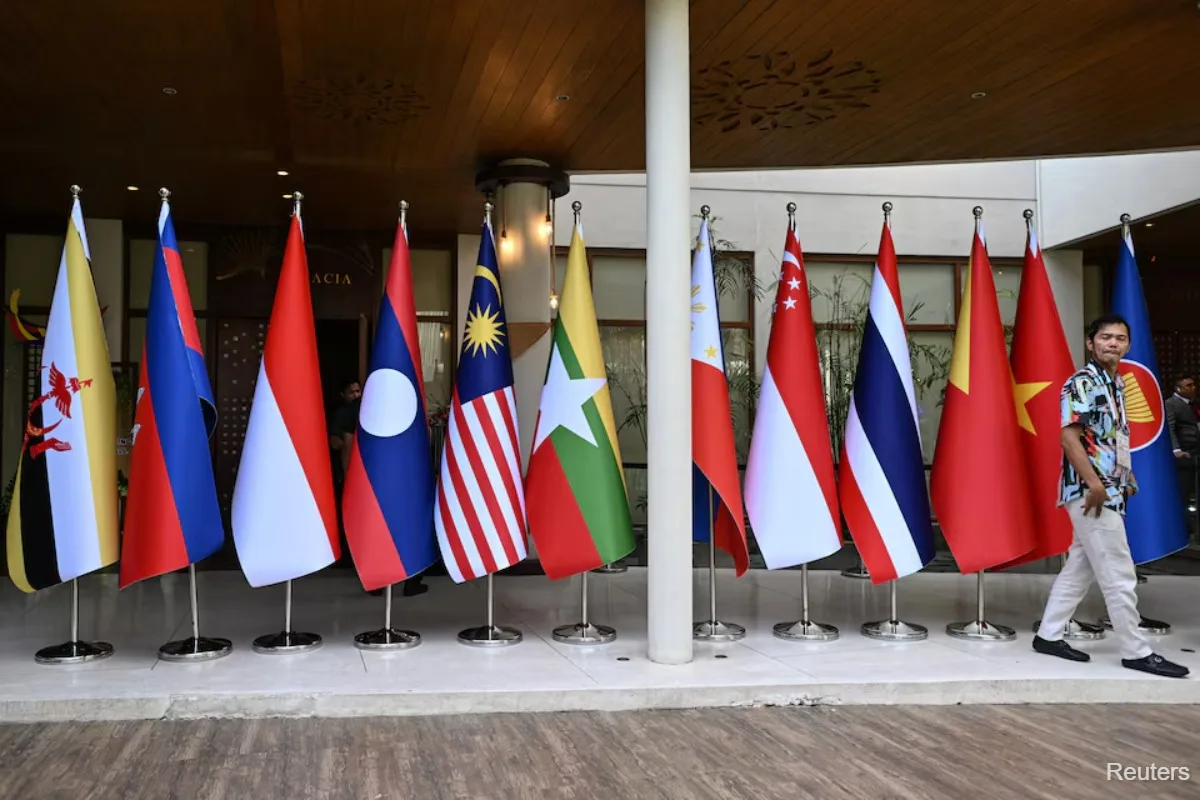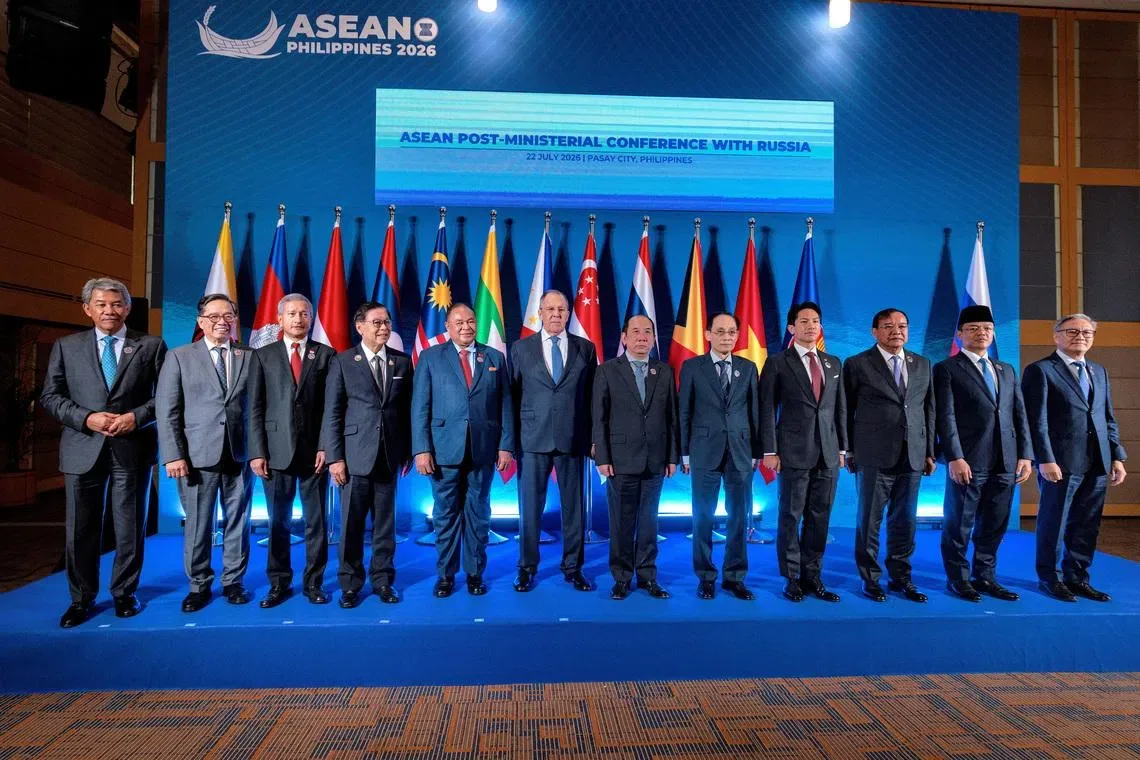
The 11-member Association of Southeast Asian Nations (ASEAN) began meetings in Manila on July 21, 2026, focusing on multiple pressing issues, including the US-Iran conflict, South China Sea disputes, the Myanmar peace process, and food and energy security for the region [1, 2, 3, 4, 5, 6].
US Secretary of State Marco Rubio, Russia’s Foreign Minister Sergei Lavrov, and China’s Vice-Foreign Minister Hua Chunying attended the meetings, alongside diplomats from the EU, India, Japan, Australia, and South Korea [1, 2, 7, 8, 4, 5]. Rubio stressed the US desire for a diplomatic resolution to the Iran conflict but criticized Tehran’s unwillingness to negotiate seriously, saying, "The problem we’re having right now is that they’re not serious about talks" [7].
The dominant issue was the ongoing US-Iran war and the blockade of the Strait of Hormuz. ASEAN raised concerns over disruptions to global energy supplies, inflation risks, and impacts on regional economic stability, given ASEAN’s combined GDP of approximately US$3.8 trillion [1, 2, 7, 8, 4, 6]. Iran-aligned Houthis have also escalated naval blockades targeting Saudi oil shipments in the Red Sea, further threatening global energy routes [2, 7, 8, 4]. ASEAN ministers called for peaceful settlements and immediate ceasefires across all fronts in the Middle East to restore stability [4, 5, 6].
Regional security discussions also addressed South China Sea tensions. The US State Department condemned Chinese Coast Guard actions near the disputed Second Thomas Shoal as "dangerous and aggressive," including allegations that Chinese personnel struck a Philippine navy member with a baton—a claim China denied as false [1]. Rubio warned about the geopolitical risks of China asserting control over the South China Sea, accusing it of threatening freedom of navigation [1, 6]. China’s Hua Chunying commented that Middle East conflicts had disrupted energy and food supply chains, noting "demand for maintaining peace and stability has become more urgent" [2].
On Myanmar, divisions within ASEAN remain over its reintegration into regional diplomacy. Some members push for engagement despite ongoing oppression and approximately 100,000 deaths since the 2021 military coup, while others oppose talks [1, 5].
Malaysia emphasized the vital importance of food security, particularly rice supplies, and highlighted regional cooperation on the ASEAN Power Grid to improve energy resilience amid crises [3, 9]. Malaysian businesses expressed caution amid Middle East tensions, focusing on supply chain diversification and government support to bolster resilience [9].
The ASEAN Regional Forum plenary on July 23 included security discussions with the US, Russia, China, and partners. Rubio and Lavrov met to discuss Ukraine and regional matters during the forum [2, 7, 8]. ASEAN plans further diplomatic engagements to address these issues with officials noting there are "several occasions where they can raise this very, very critical topic," according to Philippines ASEAN spokesperson Dominic Xavier Imperial [1].