The Negeri Sembilan state election held on August 1, 2026, ended with Barisan Nasional (BN) and Perikatan Nasional (PN) forming a winning alliance that secured a two-thirds majority in the state assembly [1, 2, 3, 4, 5]. BN won 18 of the 36 seats, an increase from the previous election, while PN captured 7 seats, up from 3 or 5 seats in 2023 according to different sources [1, 2, 3, 4, 5, 6, 7]. Pakatan Harapan (PH) took 11 seats, down from 17 in the last election [1, 2, 3, 4, 5, 6, 7].
BN contested 25 seats and PN 11 seats, running an informal electoral pact for the election [2, 3, 4, 5]. Within BN, Umno won 16 seats and MCA 2 seats; PN’s Pas took 4 seats and Parti Wawasan Negara 3 seats. PH’s DAP won 9 seats, PKR 2 seats, while Bersatu failed to win any seats [6, 7]. Despite losing, PH increased its popular vote to 40.2 percent from 37.8 percent in 2023, while BN and PN secured 38.3 and 17.4 percent respectively [8].
BN President Ahmad Zahid Hamidi announced that the alliance had secured a two-thirds majority and pledged further cooperation, saying, “So far, Barisan Nasional (BN) has secured 18 seats, while Perikatan Nasional has won seven. With this result, the BN-PN alliance has obtained a two-thirds majority” and “We will hold further discussions on the election outcome and the next course of action. God willing, this cooperation will also extend to the state of Melaka” [2].
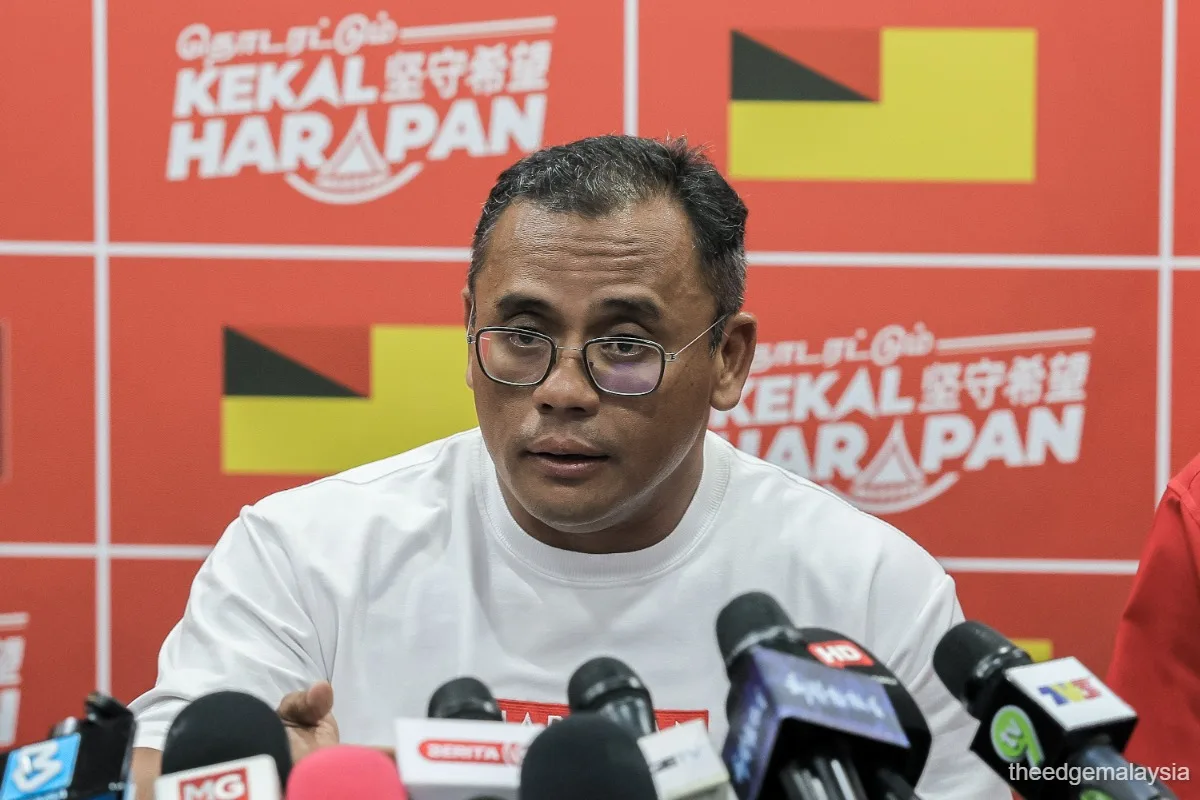
Pakatan Harapan leaders faced setbacks as well. Transport Minister Anthony Loke, who is also DAP secretary-general, and former Negeri Sembilan Menteri Besar Datuk Seri Aminuddin Harun were defeated in their seats [2, 3, 4, 5, 9, 6, 7]. Loke said, “If I can’t defend my seat, of course my consideration is to relinquish my state chairman position” [2]. PH election director Datuk Seri Amirudin Shari blamed the loss on racial politics, stating, “This election witnessed an extraordinary level of racial campaigning centred on identity politics, which almost entirely sowed elements of division among society in the state and the country” and “This is not a direction that helps advance Negri Sembilan or Malaysia because the fundamental issues affecting the people were ignored throughout the campaign, particularly by our opponents” [1, 10, 11].
PH retains some Malay support in specific constituencies but struggled overall against BN-PN’s Malay-Islam narrative. Analyst Dr Mazlan Ali noted, “The Malay-Islam narrative appeared to play a significant role in shaping their choices. BN and PN combined their Malay support. Apart from Pas' traditional supporters, Pas also gained support from BN voters” [11, 9, 6, 7]. Observers also saw the election result as a continuation of PH’s recent setbacks in Johor in July 2026 and Sabah in November 2025 [2, 3, 4, 12, 9].
PH leader Anwar Ibrahim congratulated BN, PH’s federal government partner, on the win, saying, “Our gratitude to all the people of Negeri Sembilan for the faith placed in Pakatan Harapan and Aminuddin Harun as Menteri Besar for eight years. The federal government will continue to support and cooperate with the new Negeri Sembilan administration” [5].
Senior DAP figures including Anthony Loke are reported to be considering stepping down after the defeat [2, 3, 4, 9]. The next key development expected is further planning and discussions within the BN-PN alliance on governance and cooperation, as indicated by Zahid Hamidi [2].