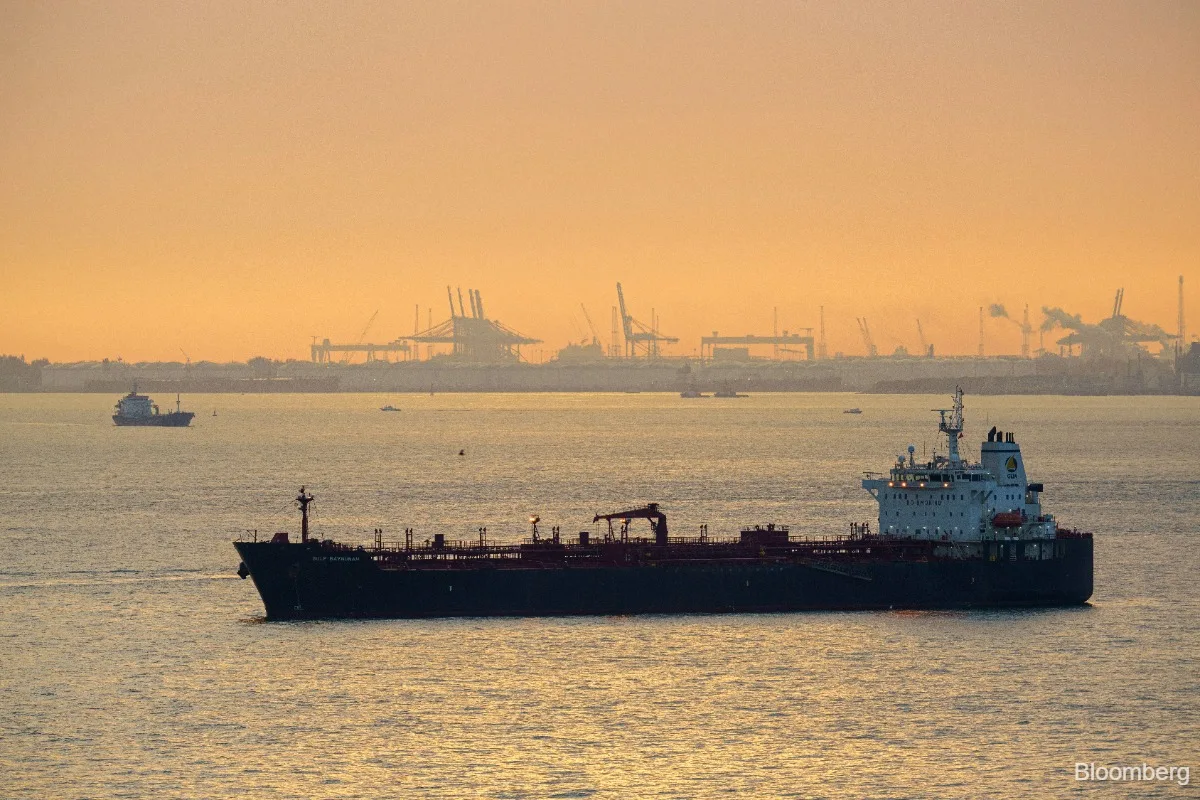
The Houthi movement claimed it launched several ballistic missiles at the Saudi oil tanker Wafaa in the northern Red Sea near Yanbu on August 5, 2026 [1, 2]. Houthi military spokesperson Yahya Saree said the missiles hit the tanker "accurately" and vowed to "continue and intensify attacks on Saudi oil tankers in the northern Red Sea to block maritime access routes and prevent their passage, regardless of the consequences" [1, 2].
The attack on Wafaa marks the eighth Saudi oil tanker targeted by the Houthis since they began a naval blockade of Saudi maritime routes at the Bab al-Mandab Strait and the northern Red Sea on July 22, 2026 [3, 1, 2]. The naval blockade aims to disrupt Saudi oil shipments through these key sea lanes.
Due to the blockade, Saudi Arabia has redirected its oil tankers toward the northern Red Sea and the port of Yanbu [3, 2]. The Houthis claim they have prevented 29 Saudi oil tankers from passing through the Red Sea and Arabian Sea or forced them to turn back, although this figure is less independently verified [1, 2].
Saudi seaborne crude exports have surged despite the blockade, with shipments through the Bab al-Mandab rising nearly eightfold between March and mid-July 2026 compared to the same period in 2025, reaching nearly 100 million barrels in June [3].
The Houthis have used ballistic missiles as part of their campaign to assert control over shipping routes, and the recent strike on Wafaa underscores their ability to target commercial vessels in the region. Yahya Saree’s statements signal a continued escalation in attacks on Saudi oil tankers operating in the northern Red Sea.
The blockade and frequent missile strikes have heightened tensions along one of the world's busiest maritime corridors for oil shipments. The Houthis maintain their posture of intensifying disruption despite potential repercussions.
The situation remains fluid with ongoing threats to Saudi shipping lanes in the northern Red Sea amid the unresolved Yemeni conflict. The Houthis’ latest strike on August 5 demonstrates their continued operational reach in the area [1, 2].