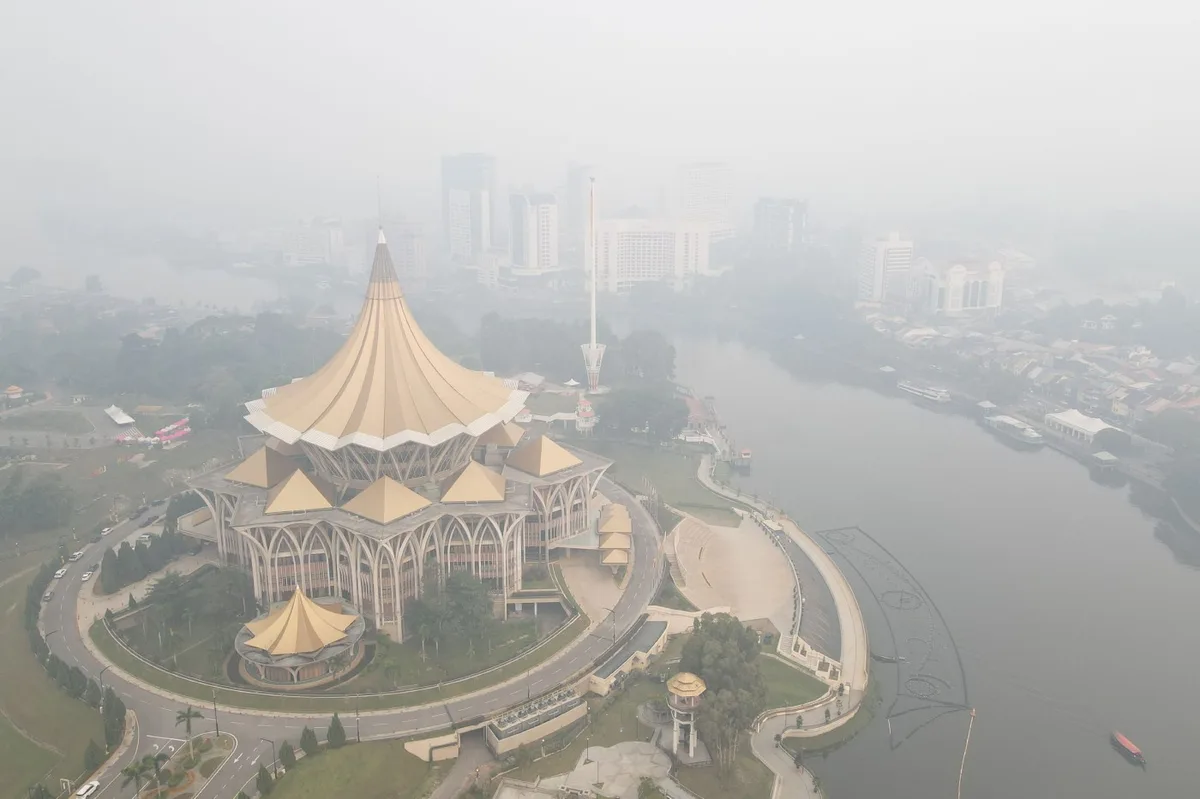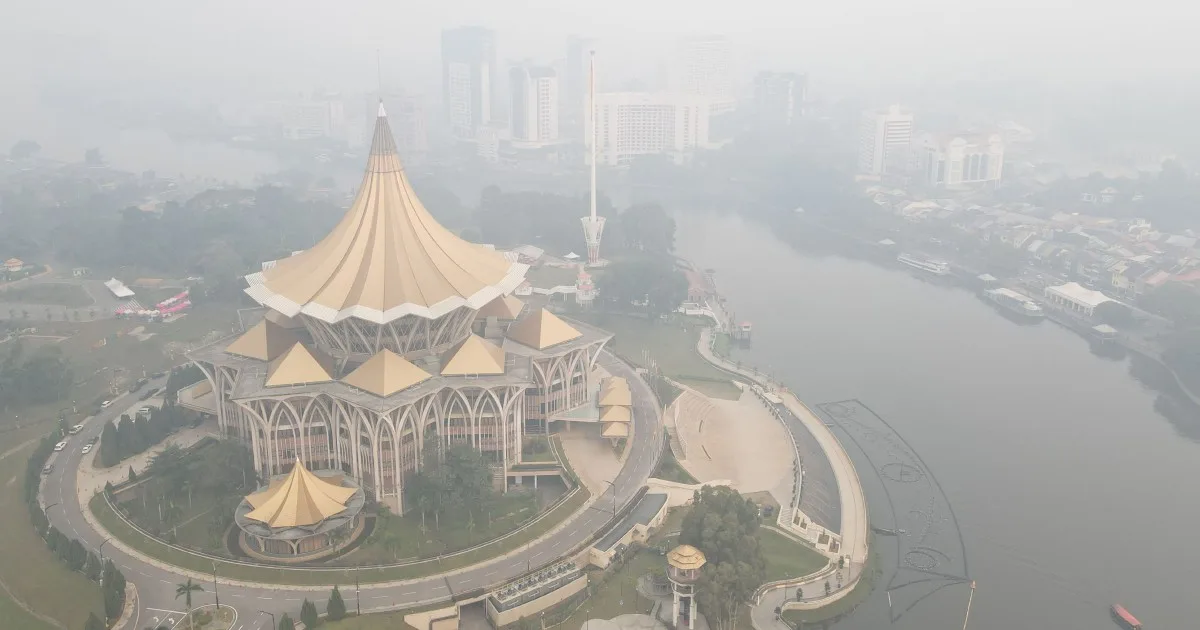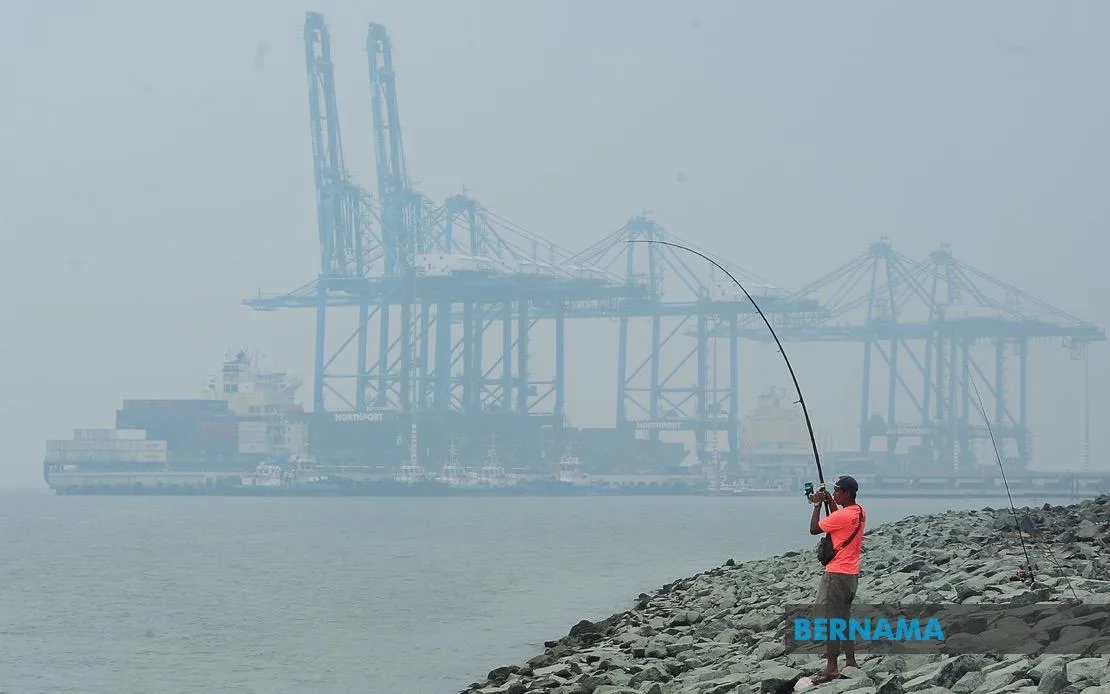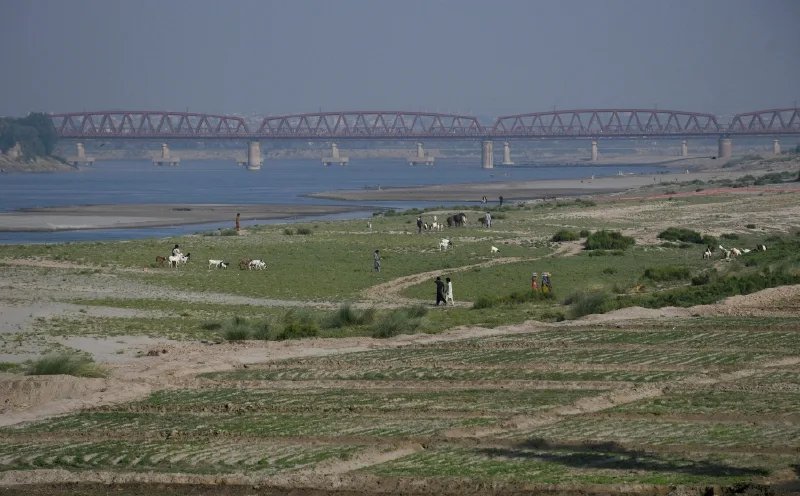
Pollutants from fires in Indonesia's Sumatra and Kalimantan continue to move toward the Strait of Malacca and Natuna Sea, potentially affecting Malaysia, Singapore and Brunei, Indonesian authorities reported on September 1, 2026 [1, 2, 3].
Fire spots in key regions have dropped sharply. Central Kalimantan saw 63 fire spots on September 1, down from 72 the previous day. West Kalimantan’s fire spots fell dramatically to 30 from 104, and South Kalimantan’s dropped to 13 from 55. In Sumatra, fire spots remained low, with 4 in Riau, 13 each in Jambi and South Sumatra, although South Sumatra’s fire spots edged up from 11 [1, 2, 3].
Ground teams have extinguished extensive fire-affected areas. They doused approximately 263 hectares in West Kalimantan, 87 hectares in Central Kalimantan, and 29 hectares in South Kalimantan. In Sumatra, more than 126 hectares were put out in Riau, alongside 13 hectares in Jambi and 9.25 hectares in South Sumatra as of September 1 [1, 2, 3].
Despite fewer fire spots, air pollution remains severe in parts of Kalimantan. The Air Pollutant Standard Index (ISPU) measured 680 in Katingan, Central Kalimantan; 468 in Southeast Pontianak, West Kalimantan; and 405 in Murung Raya, Central Kalimantan as of 4:09 pm local time [1, 2, 3]. Visibility was limited to below 1 km in West Kalimantan, about 2 km in Central Kalimantan, and under 3 km in South Kalimantan. Berton Panjaitan, acting head of BNPB’s disaster communication center, said, "Visibility remained below one kilometre in West Kalimantan, about two kilometres in Central Kalimantan and below three kilometres in South Kalimantan." [1]
Air quality improved in Sumatra, particularly in Riau and Jambi. South Sumatra saw moderate conditions but visibility stayed below 2 km. Normal activities continued in Riau, including face-to-face learning. Panjaitan noted, "Car Free Day was also held last Sunday, which shows that air quality, particularly in Pekanbaru, has improved. We hope these conditions will continue." [1]
Peatland fires, which require ongoing cooling and wetting after extinguishing, present extra challenges compared with those on mineral soil. Panjaitan said, "Even after the fire has been extinguished, the work is not over, as the area still has to be wetted and cooled until there is no remaining heat. Peatland fires pose extra (or extraordinary) challenges compared with vegetation fires on mineral soil." [1]
The Indonesian authorities continue to monitor fire spots and air quality closely as pollutants drift toward neighboring countries. Fire data and pollution measurements will be updated regularly to manage risks in the coming days [1, 2, 3].