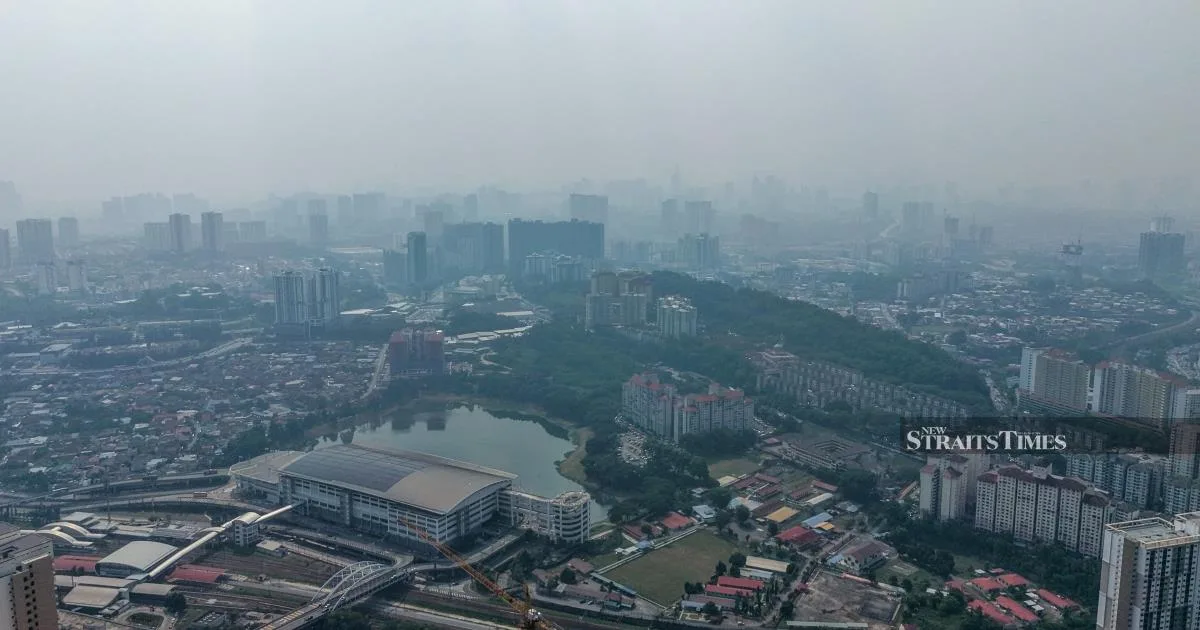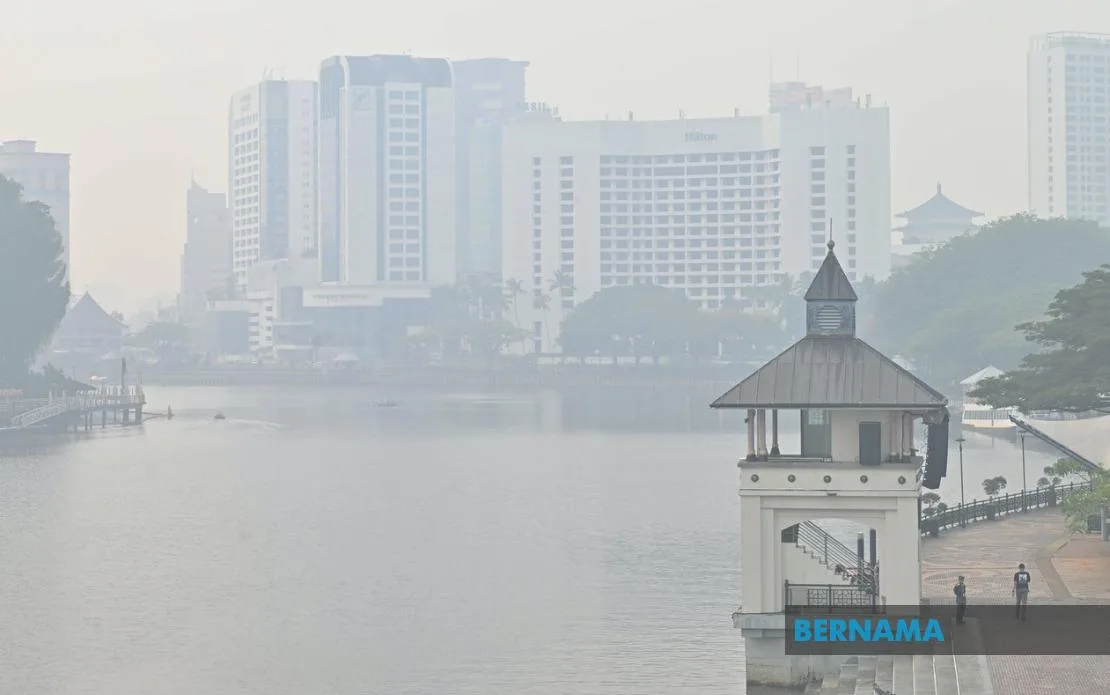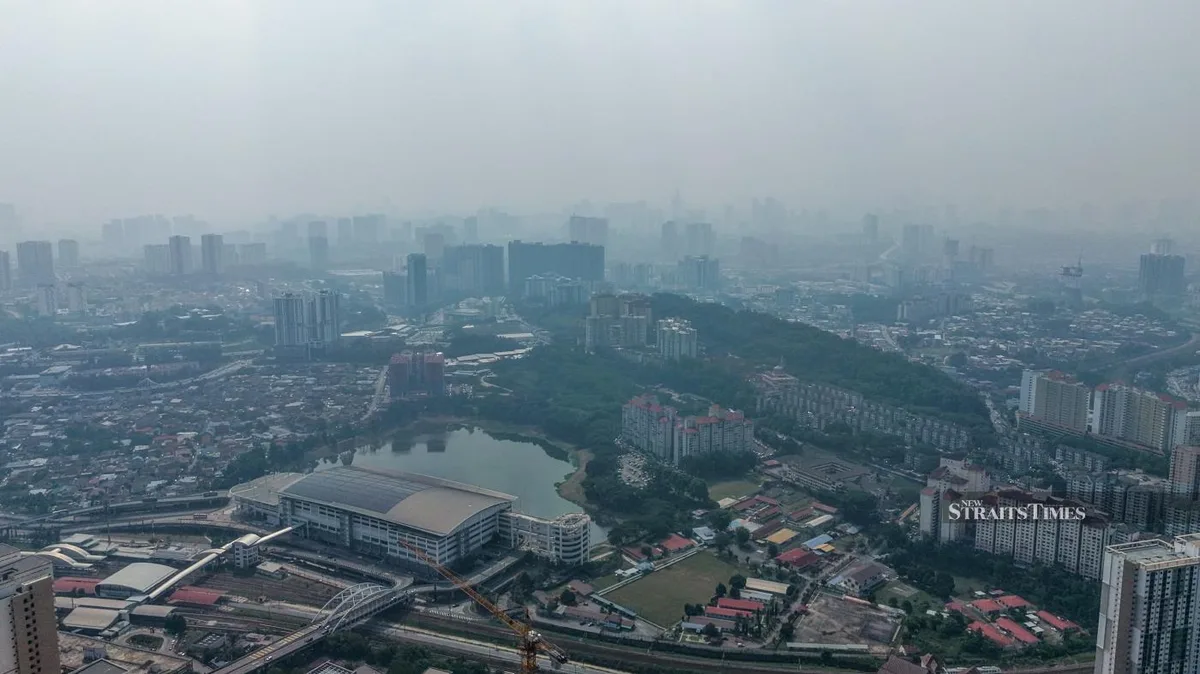
Tan Sri Lee Lam Thye issued a statement on August 25 urging ASEAN to conduct an urgent high-level review of the ASEAN Agreement on Transboundary Haze Pollution and adopt a stronger, time-bound, and enforceable regional action plan [1, 2, 3]. The agreement, signed in Kuala Lumpur on June 10, 2002, came into force in 2003 [1, 2, 3]. More than 24 years later, ASEAN countries still face recurring fires, cross-border smoke, worsening air quality, public health issues, and economic disruption caused by haze [1, 2, 3].
Lee emphasized that haze should no longer be treated as a seasonal or natural weather problem but as a crisis involving governance, environment, public health, and regional responsibility. "We must stop treating haze as an annual ASEAN ritual. Haze is not merely a weather problem. It is a governance, environmental, public health and regional responsibility problem," he said [2].
The ASEAN Specialised Meteorological Centre has warned that strengthening El Niño conditions, below-normal rainfall, and prevailing winds could heighten the risk of hotspots and transboundary haze in southern ASEAN this season [1, 2, 3]. Lee cautioned against blaming El Niño alone, stating, "It is a natural climate phenomenon. The real question is why we continue to allow human-caused forest and land fires to become a regional crisis whenever dry conditions occur" [1].
Lee called for ASEAN to shift from reactive firefighting to prevention and permanent regional preparedness, from cooperation in principle to enforcement in practice [1, 2, 3]. He proposed reviewing and strengthening the haze agreement implementation with clear, measurable targets to prevent fires, reduce hotspots, and eliminate recurring cross-border pollution sources [1, 2, 3].
He also urged stronger accountability for companies and individuals responsible for illegal burning and land clearing. This includes cross-border investigations, evidence sharing, and enforcement mechanisms [1, 2, 3]. Additionally, he recommended establishing a permanent regional haze response mechanism with real-time satellite monitoring, rapid hotspot information sharing, joint firefighting capacity, and clearly defined roles during severe haze episodes [1, 2, 3].
ASEAN countries should also create joint prevention and early-warning systems ahead of the dry season and strengthen cooperation on peatland and forest management [2, 3]. Lee summed up that after more than two decades, "ASEAN must move beyond promises and demonstrate that regional cooperation can actually protect the people of Southeast Asia" [3].