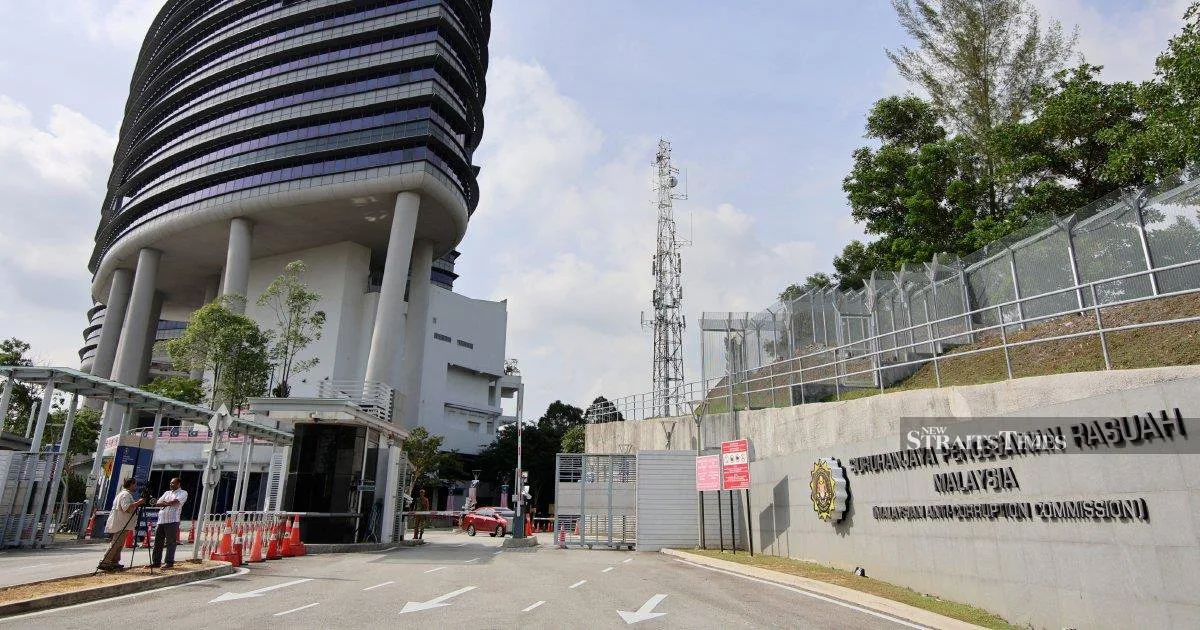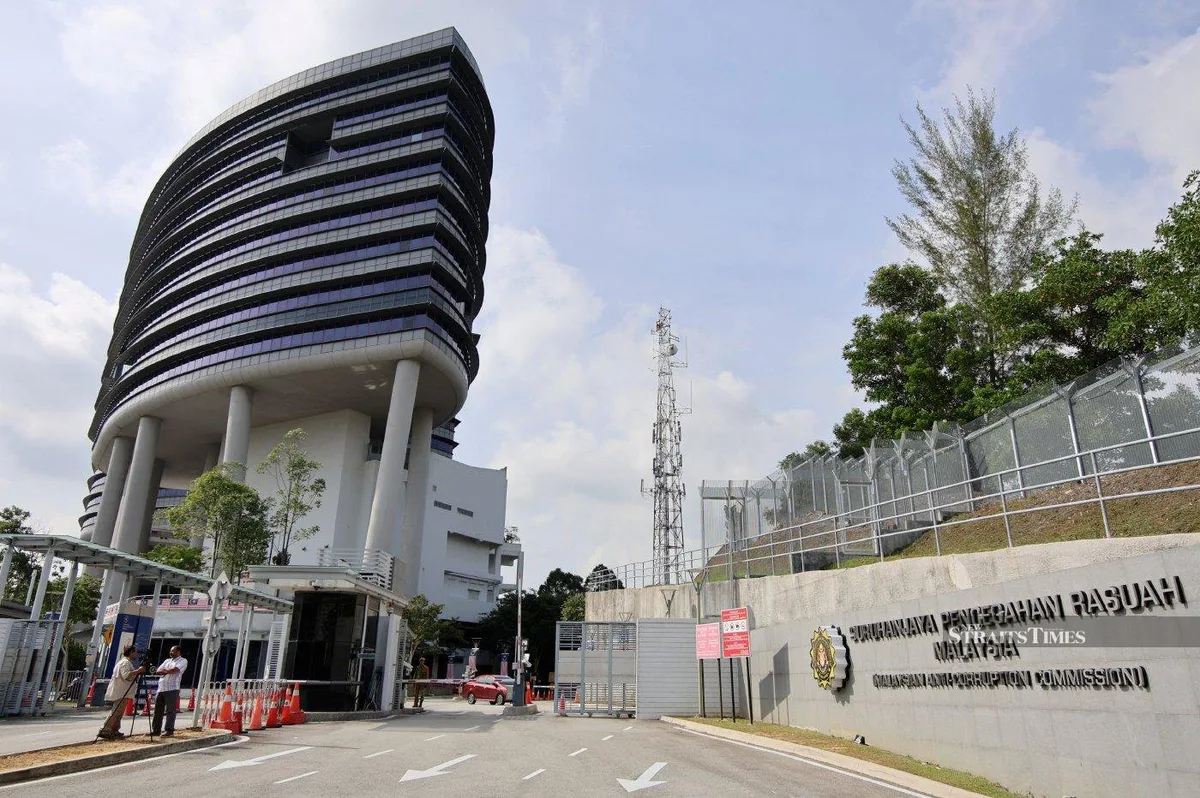
The Malaysian Anti-Corruption Commission (MACC) urged ministry secretaries-general and department directors-general to prioritise whistleblower protection to strengthen governance across the public sector [1, 2, 3]. MACC highlighted that stronger protections are essential to eliminate civil servants' fear of reporting misconduct and to reinforce integrity in public service [1, 2, 3].
MACC called for the Integrity Unit in every ministry to operate independently and report directly to the commission to ensure effective oversight [1, 2, 3]. It stressed that the Organisational Anti-Corruption Plan (OACP) must be used as a key performance indicator for senior officers' promotions. "The OACP must also serve as a key performance indicator for the promotion of senior officers to ensure the anti-corruption agenda is implemented effectively," said Mohd Gunawan Che Ab Aziz of MACC [1].
The commission also called for comprehensive reforms in public procurement and contract management. These included mandatory open tenders and declarations of beneficial ownership by bidding companies. These measures align with the National Anti-Corruption Strategy (NACS) 2024–2028 aimed at curbing cronyism and proxy company use [1, 2, 3]. MACC hopes the Government Procurement Act will be passed soon to strengthen the legal framework [1, 2, 3].
To reduce discretionary power and face-to-face interactions linked to corruption risks, MACC proposed fully digitalising government service delivery. The use of AI, automated approval systems, and digital audit trails can increase transparency and detect irregularities in real time [1, 2, 3].
In addition, ministries should implement corrective or disciplinary actions within three months after issues are raised in Auditor-General's Reports [1, 2, 3]. Open data policies should be adopted to allow public and media scrutiny of ministerial expenditures. "This approach must be supported by open data policies to allow ministerial expenditure to be scrutinised transparently by the media and the public," Mohd Gunawan said [1].
Malaysia ranked 54th out of 182 countries with a CPI score of 52 in 2025 [1, 2, 3]. The government aims to reach the top 25 globally by 2030. "To get into the top 25 by 2030 requires a more proactive and systematic shift in thinking," said Mohd Gunawan’s Chinese language counterpart 莫哈末古纳旺, emphasizing the leadership role of secretaries-general and directors-general in driving reforms [3].