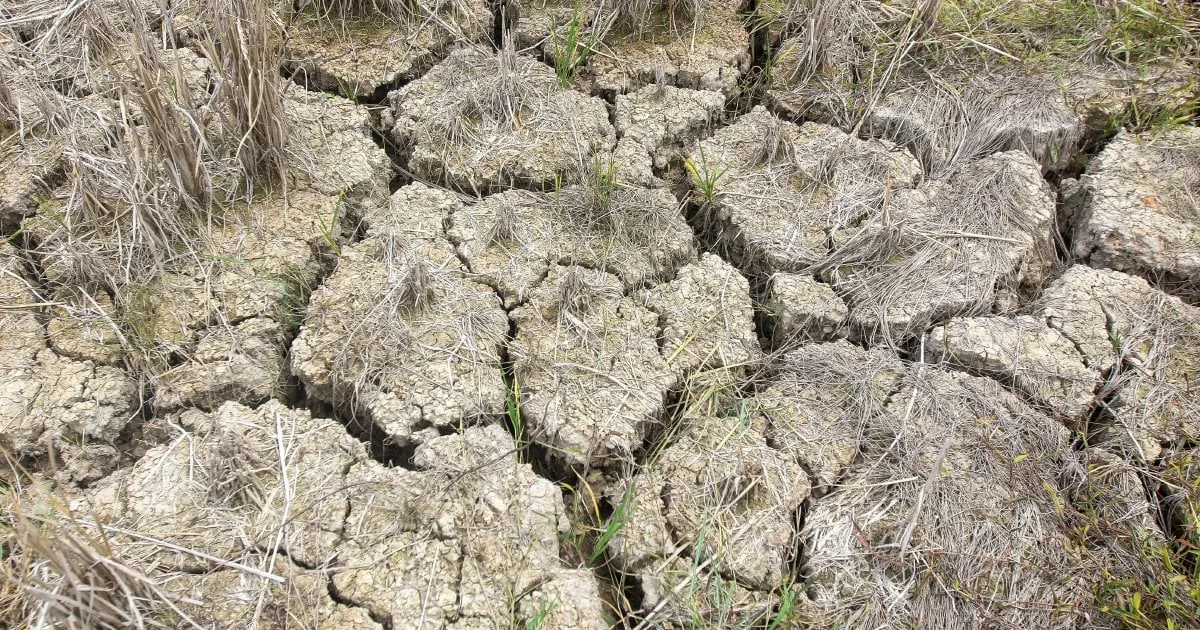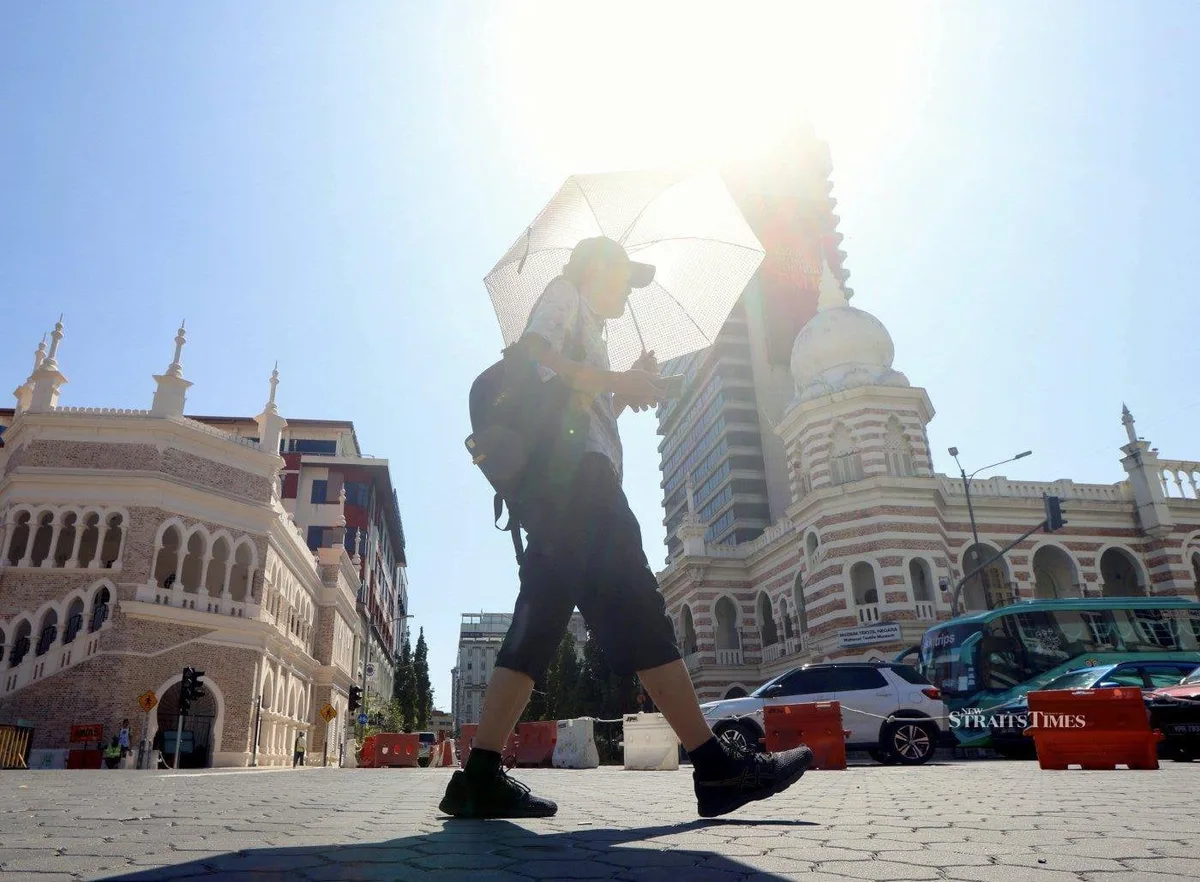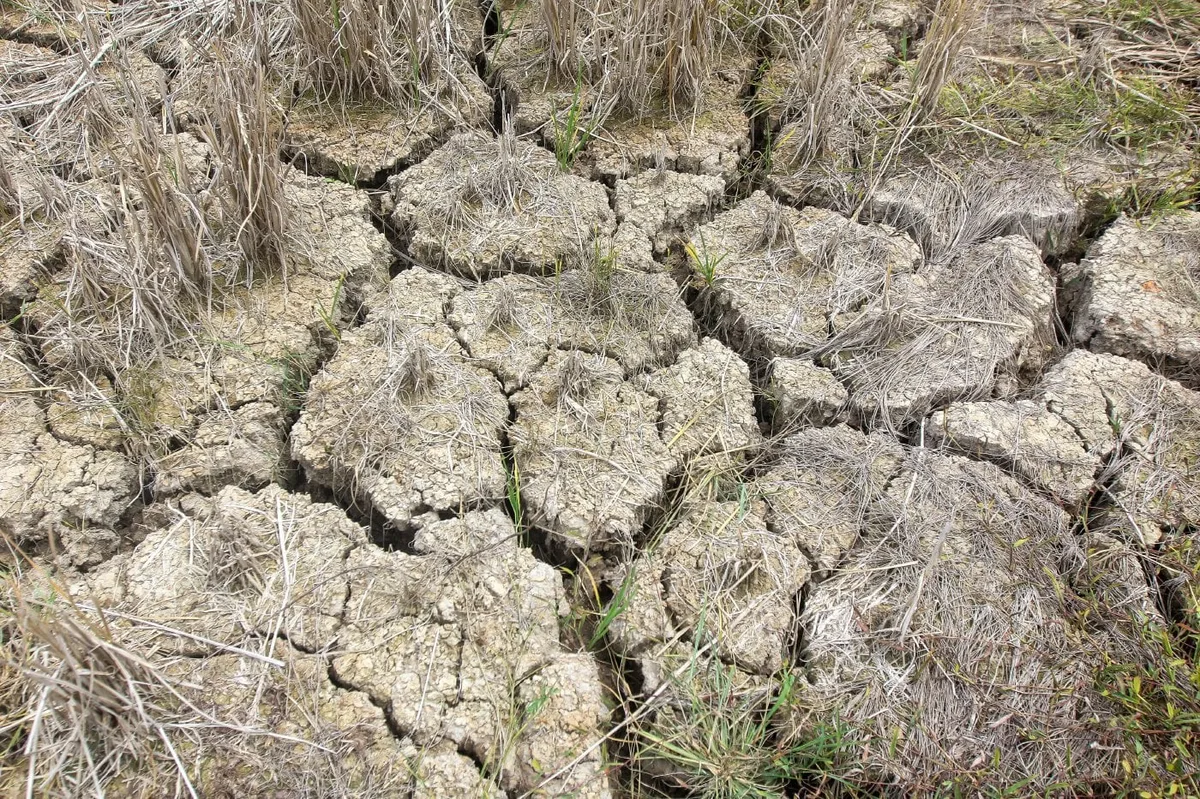
The Malaysian government announced it is taking early preparedness steps ahead of an anticipated El Niño phenomenon starting in June 2026 and lasting at least until mid-2027, which will bring hotter and drier weather across the country [1, 2, 3]. Malaysia could see rainfall reductions of 40 to 60 percent in several states, threatening water supplies and agriculture [2, 3].
Authorities have scheduled three cloud-seeding operations to increase rainfall and reservoir levels as part of the response [1]. The government is deploying a cross-agency effort involving Nadma, MetMalaysia, Fire and Rescue, the Department of Environment, the Department of Irrigation and Drainage, JMG, the Health Ministry, and the Education Ministry to mitigate risks [1]. Nadma is closely monitoring 83 high-risk hotspots for open burning and haze during the Southwest Monsoon period to prevent fires [1].
Prime Minister Datuk Seri Anwar Ibrahim stressed, "Grassroots-level preparedness for the El Niño phenomenon must be strengthened. Early planning and preventive measures remained the best defence against the increasingly unpredictable impacts of extreme weather" [4]. The National Economic Action Council (NEAC) serves as the main platform coordinating policy and response efforts to El Niño threats [2, 4, 3].
The government is particularly concerned about El Niño worsening pressures on food, water, energy, public health, and haze pollution risks [2, 3]. Economy Minister Akmal Nasrullah Mohd Nasir noted the focus on weather risks amid global uncertainties, saying, "The government is also giving attention, apart from geopolitical issues, to the risk of extreme weather, including the El Niño phenomenon, which is expected to begin in June and could continue at least until the middle of 2027" [2].
Historical data underscores these risks: during the 2015-2016 El Niño, northern Peninsular Malaysia temperatures exceeded 37°C, 250 schools closed, and palm oil production declined 16-18 percent [2, 3]. Overall crop yields nationwide dropped 8-10 percent on average during that period [2, 3].
The NEAC reviewed METMalaysia briefings on the emerging El Niño and its implications in June 2026, coinciding with planned cloud-seeding operations aimed at boosting rain in affected areas [1, 4, 3].
Government agencies will continue monitoring conditions closely throughout the El Niño period, maintaining focus on economic resilience and public safety until at least mid-2027 [4, 3].