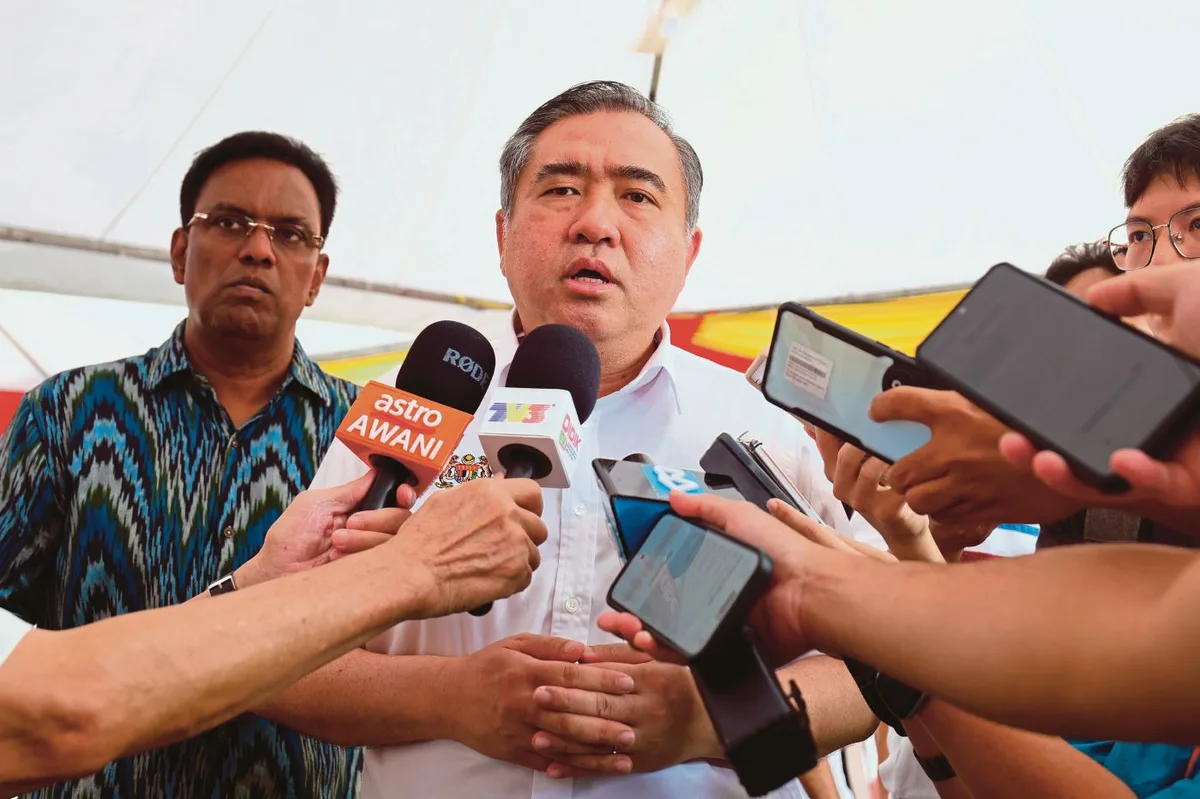
Malaysia's Cabinet agreed in principle from July 15 to 17, 2026, to draft amendments to the Road Transport Act 1987 that would empower courts to order offenders convicted of road traffic offences to pay compensation to victims or their families [1, 2, 3, 4, 5]. Transport Minister Anthony Loke Siew Fook said, "What we want to create is a new mechanism in our legislation whereby the court can also award compensation to the victim's family if the offender is found guilty" [1]. He added that currently, offenders face imprisonment or fines but no compensation element, and the change would introduce such a mechanism into the legal system [5].
The proposed compensation orders would be part of criminal proceedings, removing the need for victims or families to pursue separate civil lawsuits [1, 3, 5]. The compensation amount would not be administratively fixed by the government but determined by courts based on the offence’s severity, injuries or loss of life, losses suffered, and the offender's ability to pay [1, 2, 3, 4, 5]. Victims’ rights to pursue insurance claims or civil suits would remain unaffected [1, 2, 3, 4, 5].
The amendments will also strengthen the Road Traffic Offence Demerit Points System (Kejara) with clearer procedures for notification, administrative review, representation and adjustment or removal of demerit points if offences are unproven [2, 3, 4]. The scheme targets serious offences such as drunk-driving, drug-impaired driving, reckless driving and other dangerous traffic offences causing injury or death [1, 3, 5].
A Transport Ministry statement described the proposals as "important steps toward strengthening justice, accountability and safety on the roads" [2]. The Ministry plans stakeholder engagement sessions involving insurers, other ministries and agencies before finalizing the bill [1, 5].
The bill is expected to be tabled in Parliament after further review and Cabinet consideration, likely by November 2026 [3, 4].