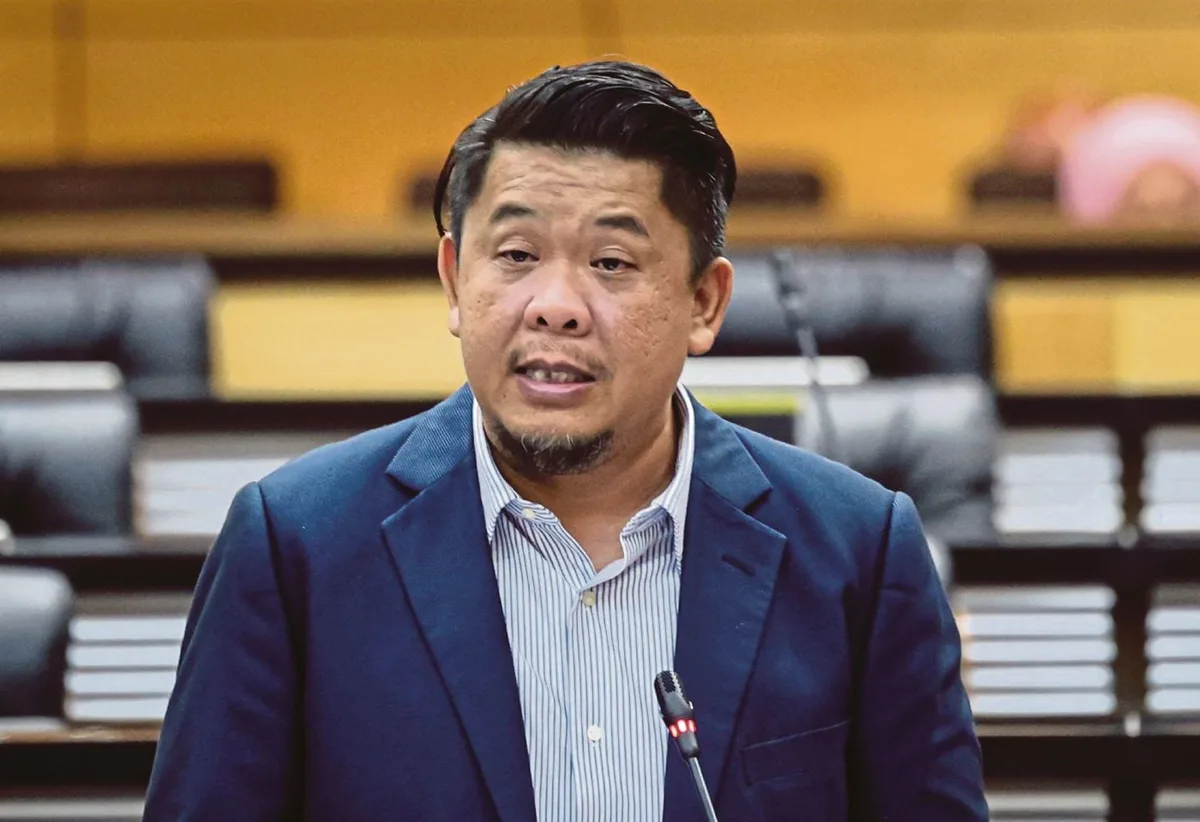
Malaysia is campaigning to limit the veto power in the United Nations Security Council (UNSC), calling for its abolition in cases of war crimes, genocide, crimes against humanity, and destruction of civilian infrastructure such as in Gaza. Deputy Foreign Minister Datuk Lukanisman Awang Sauni said, "At the very least, the use of veto power must be abolished entirely in cases involving serious violations of international law," and added that Malaysia views the veto as unfair and supports comprehensive reform including expanding both permanent and non-permanent membership for fairer regional representation [1, 2].
Malaysia formally submitted its candidacy to return as a non-permanent UNSC member for the 2036-2037 term, continuing its diplomatic engagement on Security Council reform [1, 2]. A recent UN General Assembly resolution (76/262) mandates a session within 10 working days when a veto is cast, requiring an explanation from the vetoing country. This was enacted following vetoes by China and Russia on April 7, 2026, over resolutions concerning Iran and the Strait of Hormuz [2].
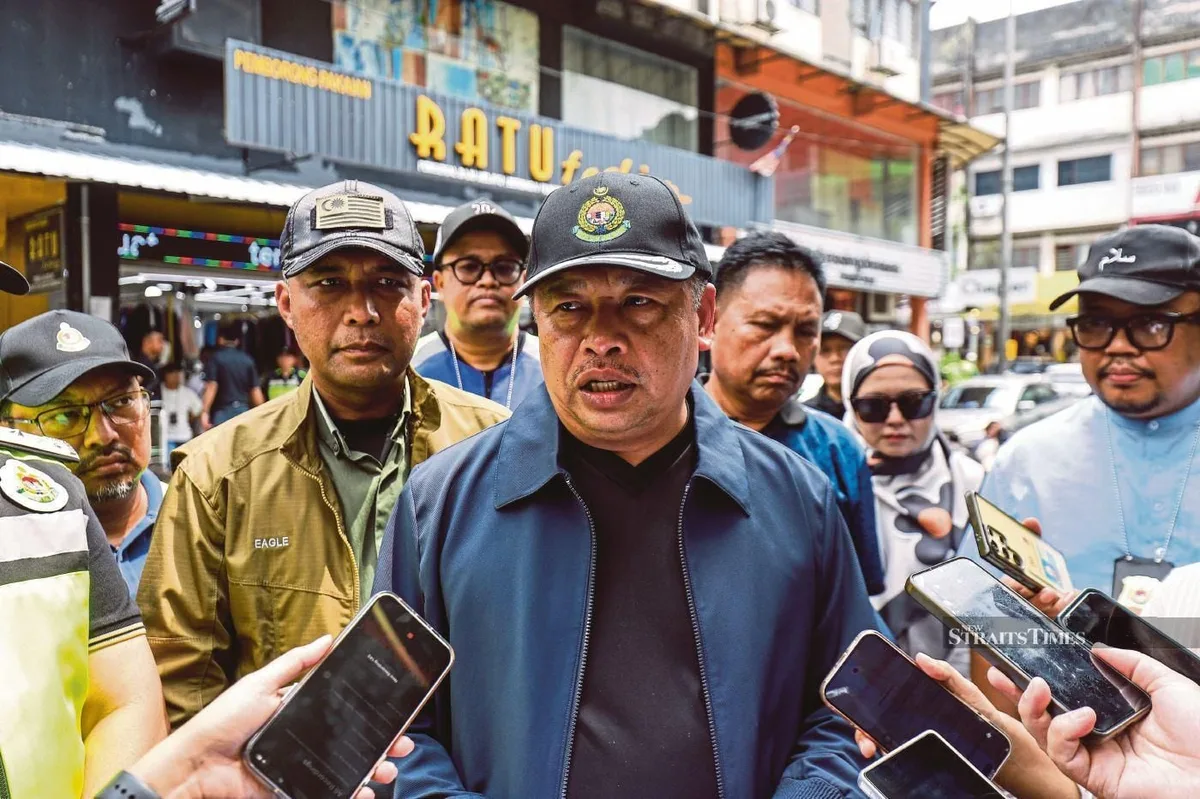
Domestically, Malaysia allocated RM1.2 billion across multiple agencies for border control and security projects and is expanding operations of the Malaysian Border Control and Protection Agency to better manage enforcement [3, 4, 5]. The country has introduced a Refugee Registration Document programme involving biometric registration and screening to monitor refugees and asylum seekers more effectively. Economy Minister Datuk Akmal Nasrullah Mohd Nasir emphasized that UNHCR cards do not grant citizenship or immunity from Malaysian laws, stating, "Any individual who commits an offence will still be investigated, and action will be taken" [3, 6, 7, 4, 5].
Malaysia is also calling for ASEAN to take stronger responsibility-sharing roles and to cooperate more with international organisations like UNHCR to address the regional refugee crisis. This includes pursuing political solutions for the voluntary and safe return of Rohingya refugees [7].
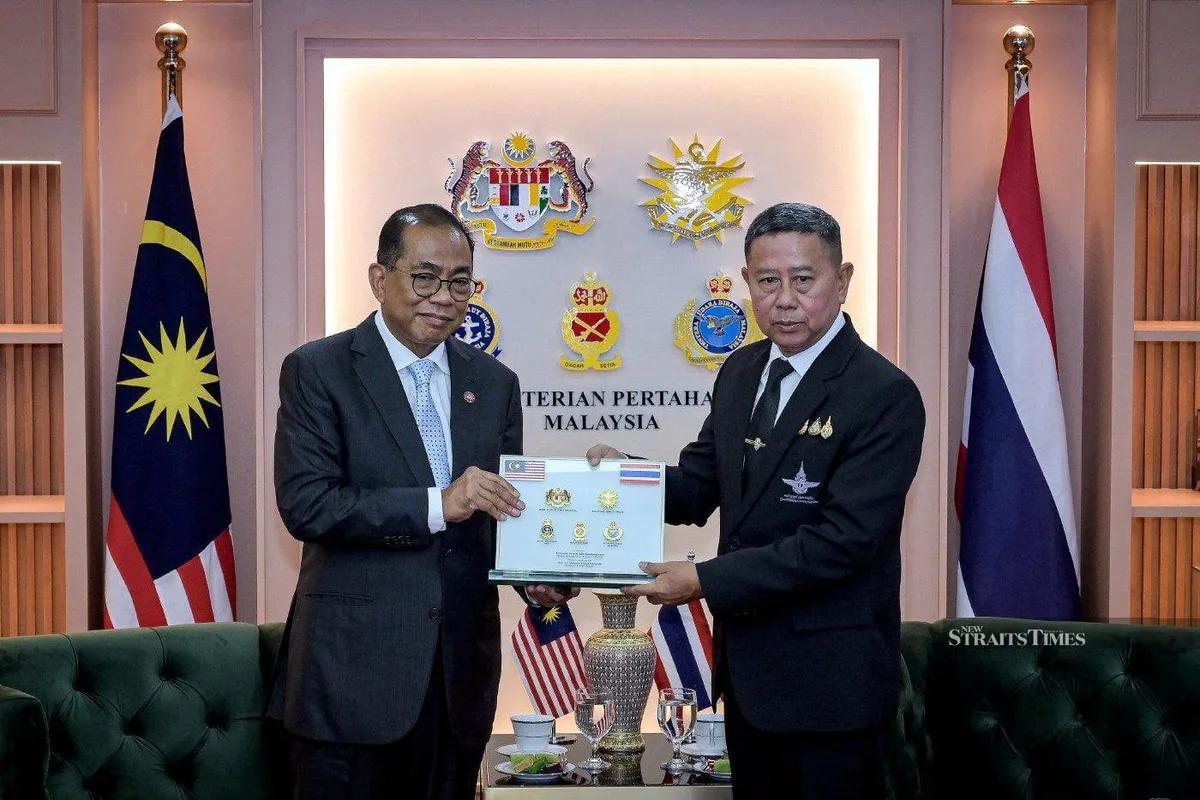
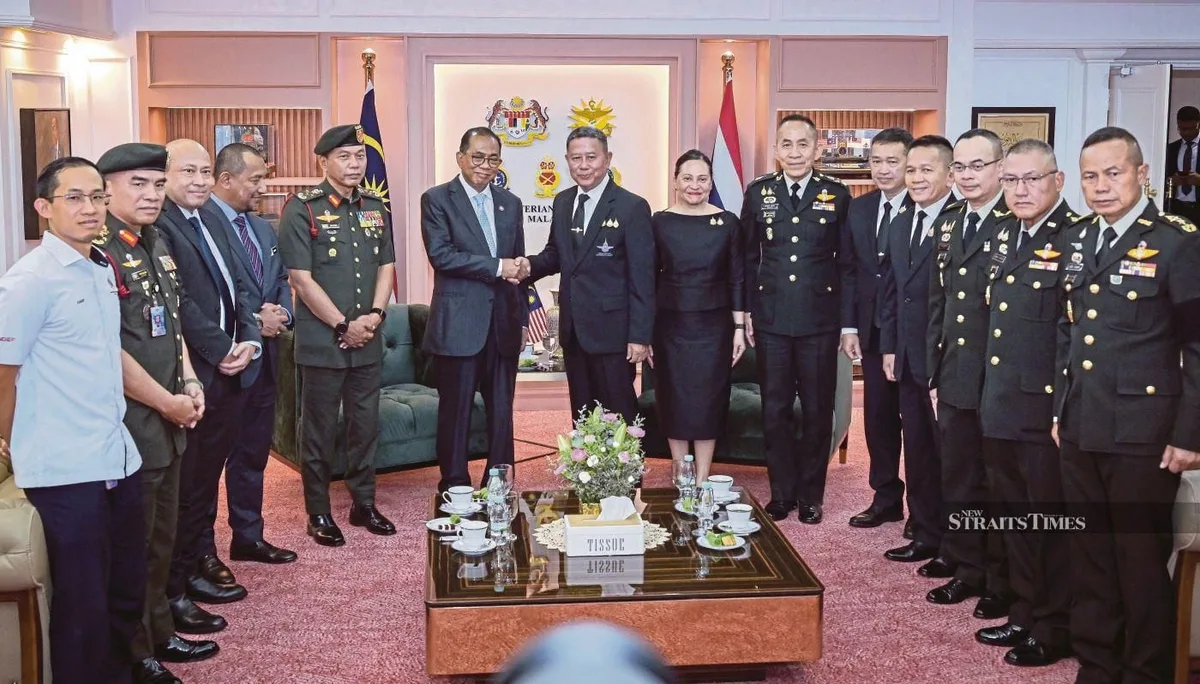
On regional security, Malaysia and Thailand agreed in July 2026 to expedite signing a memorandum of understanding on defence cooperation to tackle shared security challenges. Defence Minister Datuk Seri Mohamed Khaled Nordin noted, "As neighbouring countries, we must continue to maintain close and strong relations, particularly in defence." Malaysia welcomed Thailand’s appointment of a new chief peace dialogue negotiator for Southern Thailand and pledged support for the peace process, while emphasizing respect for Thailand’s sovereignty in internal security issues [8, 9].
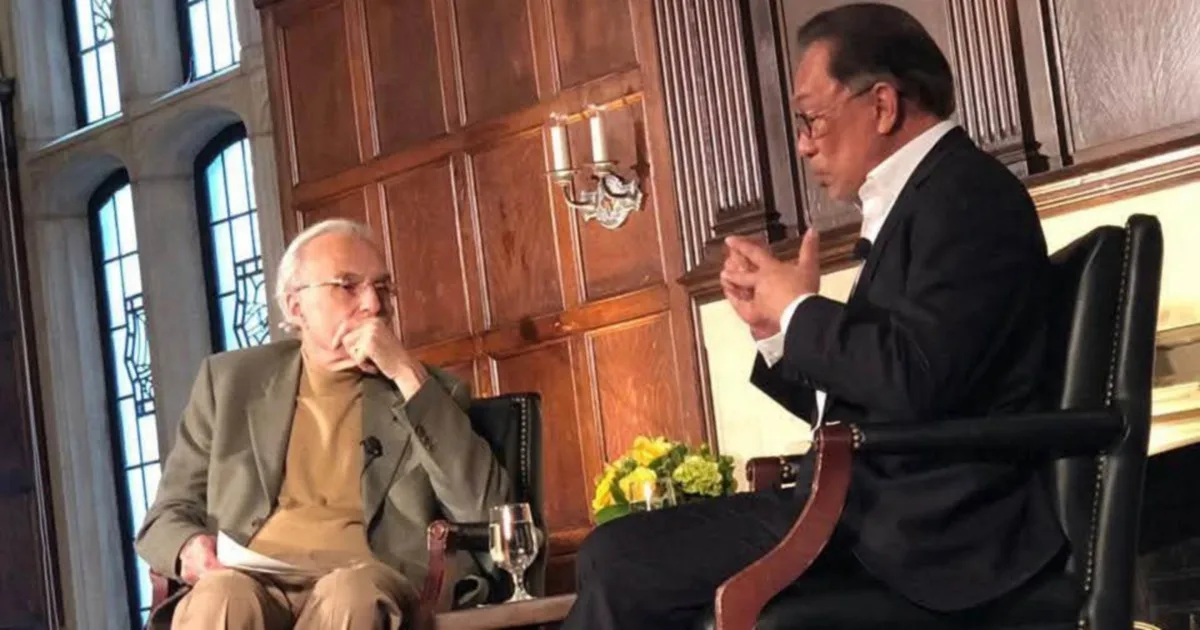
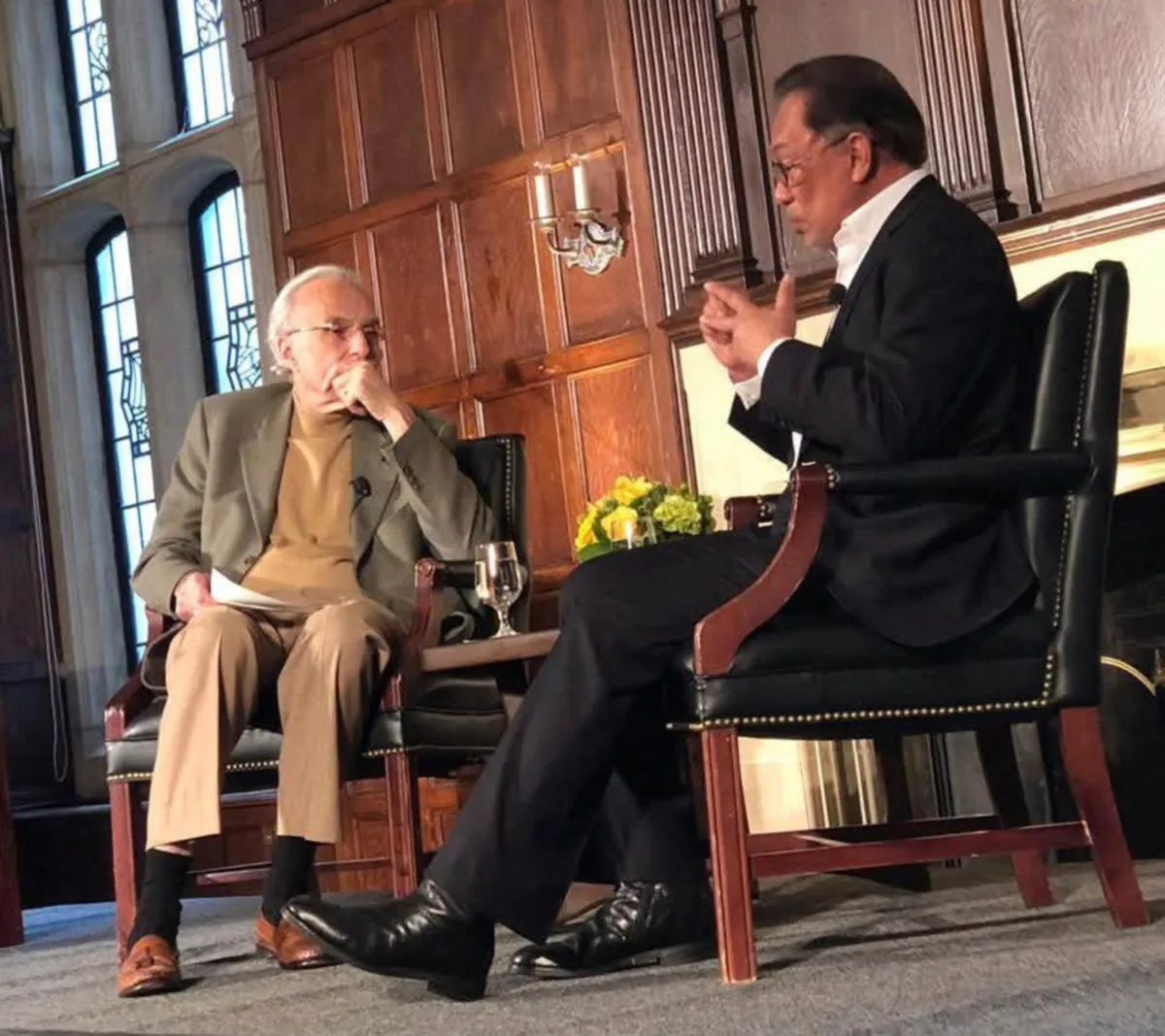
Prime Minister Datuk Seri Anwar Ibrahim extended condolences on the passing of Islamic scholar Professor John L. Esposito, praising him for "building bridges where others were content to build civilisational barriers" [10].
Malaysia’s Dewan Rakyat session in July 2026 reviewed government plans on UN reform, military preparedness, and food security amid ongoing global challenges [11]. Foreign Minister Datuk Seri Mohamad Hasan is scheduled to reiterate Malaysia's position on Security Council reform at the UN General Assembly debate in New York in September 2026 [1].