Malaysia's Cabinet has directed the United Nations High Commissioner for Refugees (UNHCR) to temporarily stop all refugee registrations. The halt allows the government to restructure its domestic refugee system under the newly launched Refugee Registration Document (DPP) programme, announced in Parliament on July 23, 2026 [1, 2, 3, 4, 5, 6].
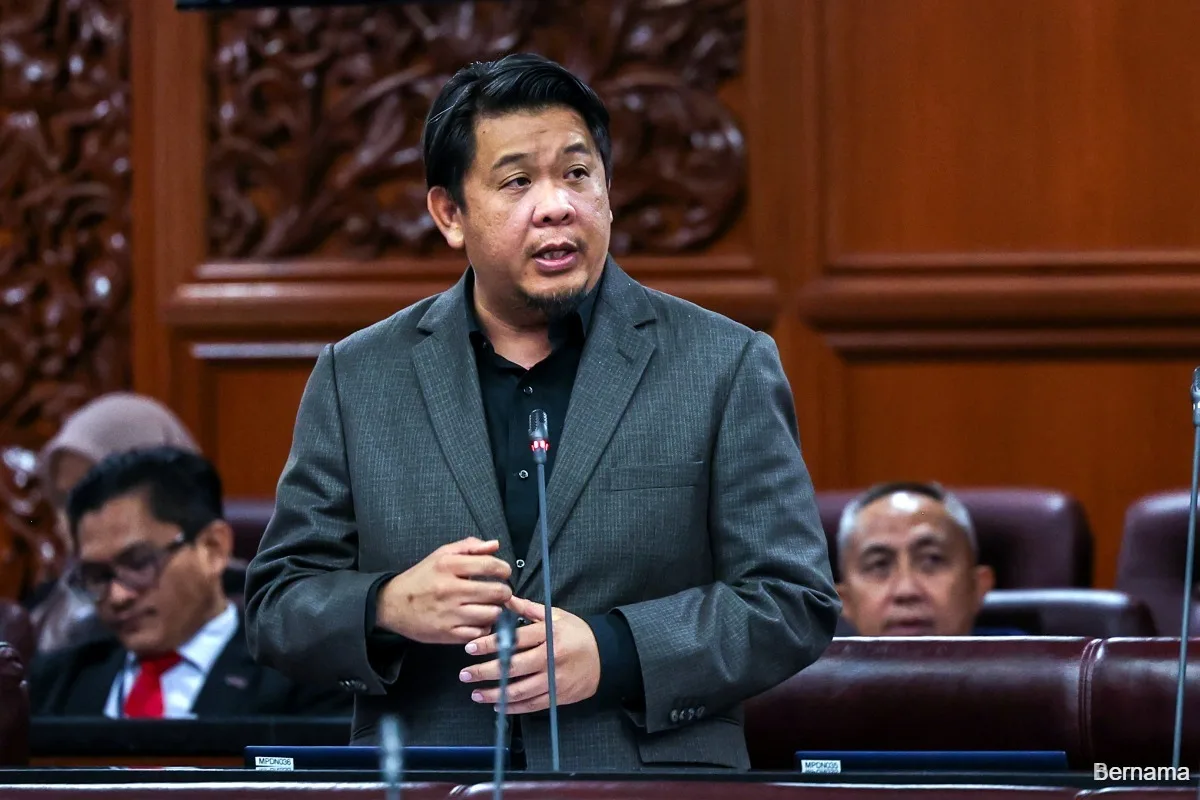
The DPP programme, launched in January 2026, aims to manage refugee data more systematically. It includes identity verification, coordination, monitoring, and regulation measures handled strictly in cooperation with enforcement agencies to ensure only eligible individuals are registered and to curb illegal immigration [2, 3, 4, 7, 5, 6, 8]. Deputy Foreign Minister Datuk Lukanisman Awang Sauni said, "We have gone through the Cabinet's decision and instructed the UNHCR to stop any refugee registrations for the time being because we are reorganising the implementation of the DPP programme" [1]. He added the government can now manage data without relying on foreign records: "Through the DPP, the government can manage data in a more organised manner, including the purposes of data coordination, identity verification, monitoring, and regulation without relying on the records of any foreign entities" [4].
Malaysia is not a signatory to the 1951 UN Refugee Convention and does not permit refugees registered by UNHCR to work or receive local education rights [1, 2, 3, 5, 6]. The new system intends to improve domestic refugee management while pursuing a multilateral approach involving Myanmar and ASEAN members to more seriously address the Rohingya refugee issue [1, 4, 7, 5, 6, 8].
UNHCR recorded about 215,600 refugees and asylum seekers in Malaysia as of February 2026, with over half being Rohingya Muslims from Myanmar [2, 3]. The freeze on registrations will allow UNHCR to concentrate on resettlement efforts and coordination with Malaysian authorities [2, 3].
The government plans to repatriate approximately 5,000 Myanmar nationals detained in immigration depots via naval ships, contingent on Myanmar's acceptance and the resolution process, according to Deputy Minister Lukanisman [1, 2, 3, 4, 7, 5, 6, 8]. He stated, "Approximately 5,000 Myanmar nationals who are currently detained at the depot will be repatriated to the Myanmar government and will be sent back using naval ships, subject to the resolution process" [4].
Authorities have also noted a recent rise in online hate speech and misinformation targeting Rohingya refugees in Malaysia [2, 3].
The refugee registration halt will remain until the government completes the restructuring of the DPP programme.