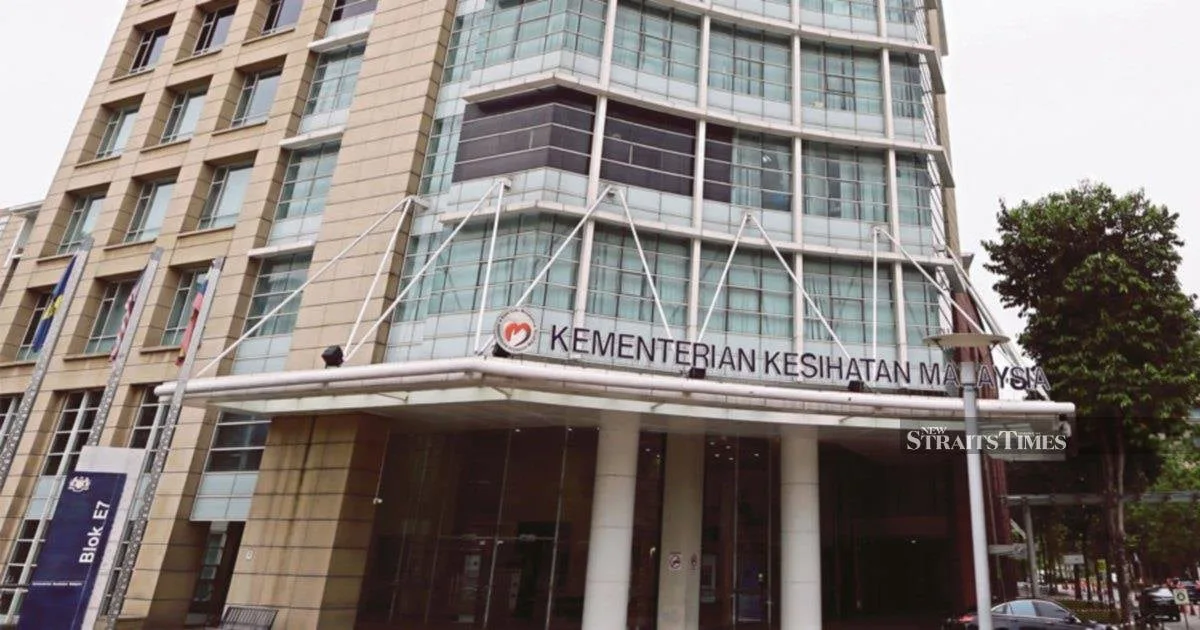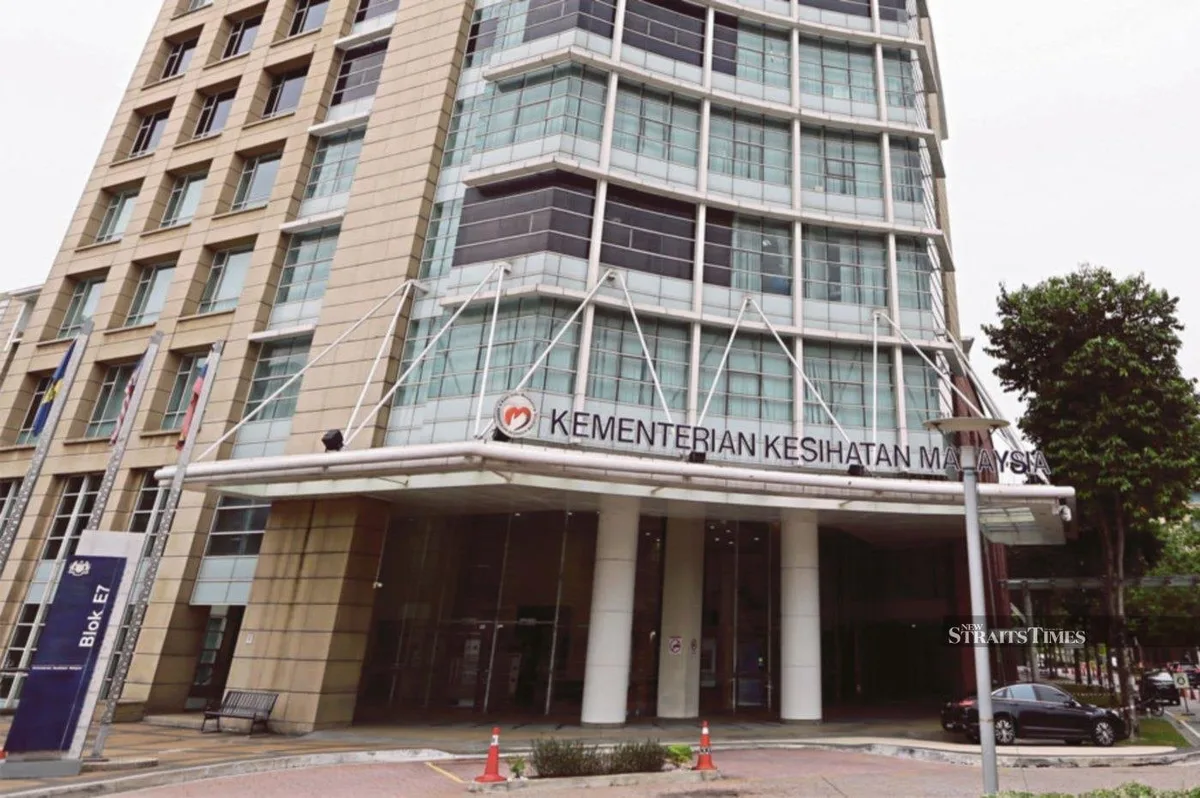
Malaysia's Ministry of Health (MOH) is overhauling emergency department triage at public hospitals with the Malaysian Triage Scale (MTS) 2022 to better assess patients and reduce treatment delays [1, 2, 3]. The new system replaces the previous three-tier colour-coded Malaysian Triage Category introduced in 2011 with a five-level scale, ranging from Level 1 (Resuscitation) to Level 5 (Routine), allowing more precise categorisation based on urgency and severity [1, 2, 3].
The revamped triage process is split into Primary Triage, a rapid initial evaluation, followed by Secondary Triage that includes detailed assessment and vital signs measurement to improve accuracy [1, 2, 3]. Dedicated parameters have been introduced for paediatric patients, addressing their unique physiological needs [1, 2, 3]. The system prioritizes patient severity over first-come, first-served treatment principles [1, 2, 3].
MOH has set up state-level Emergency Triage Service Technical Committees responsible for regular cross-hospital clinical audits, monitoring triage practices, and conducting professional training at least twice yearly [1, 2, 3]. Digital tools such as the MyTriage App support decision-making and training efforts. "Digital tools like the MyTriage App are also being used as a decision-making aid and training support," MOH said [2]. The ministry monitors the undertriage rate closely as a key performance indicator to minimize human errors [1, 2, 3].
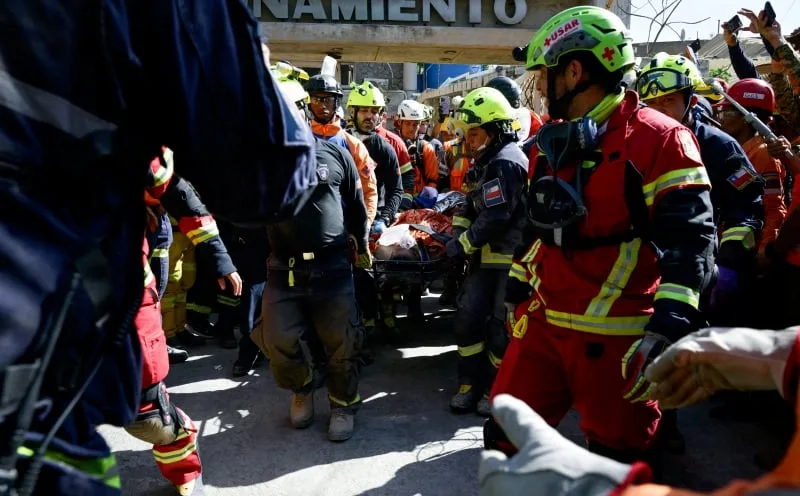
The triage overhaul responds to recent viral incidents where chronic patients experienced delayed treatment, aiming to prevent further loss of life. MOH commented, "This overhaul ensures a much more specific segregation of cases, reduces unnecessary overcrowding, and ensures that chronic patients do not fall through the cracks" [1]. The department also emphasized the reform reflects its commitment to preventing future incidents through stricter supervision and effective patient flow management [3].
In June 2026, new patient flow management guidelines came into effect to reduce emergency department overcrowding nationwide [1, 2, 3]. The guidelines tighten policies for the Non-Critical (Green) Zone by redirecting non-emergency cases to clinics and private facilities under public-private partnerships like the Madani Medical Scheme and the Healthcare Scheme for the B40 Group [1, 2, 3]. Additionally, emergency specialist doctors now have authority to decide within up to four hours on patient admission if the primary team is delayed, preventing prolonged stays of critical patients in emergency units [3].
MOH publicly announced the Malaysian Triage Scale 2022 and associated reforms on July 3, 2026, outlining the comprehensive approach to revamping emergency care and patient safety [2, 3]. Training programmes and audits by the Emergency Triage Service Technical Committees are scheduled at least twice annually to maintain standards [1, 2, 3].