Malaysia's total population increased from 34.2 million in 2025 to 34.4 million in 2026, a growth rate of 0.5%, according to data released on July 31, 2026 by the Department of Statistics Malaysia (DOSM) [1, 2, 3, 4, 5, 6]. The citizen population rose 0.6% to 31.0 million, while the non-citizen population declined slightly by 0.2% to about 340,000 [2, 3, 4, 5, 6].
Twelve states in Malaysia have now reached "ageing state" status, meaning at least 7% of their population is aged 65 or older [2, 3, 4, 5, 6]. The national share of elderly people increased from 8.0% to 8.4%, totaling approximately 2.9 million individuals [1, 2, 3, 4, 5, 6]. Meanwhile, children aged 0-14 years declined to 21.2% of the population from 21.6%, while the working age group (15-64) held steady at 70.4% [1, 2, 3, 4, 5]. Malaysia’s median age rose from 31.3 years in 2025 to 31.7 years in 2026 [2, 3, 4, 5, 6].
At the state level, Terengganu recorded the highest population growth of 1.2%, followed by Kelantan at 1.0%, and Selangor, Putrajaya, and Pahang all at 0.6% [2, 3, 4, 5]. Selangor remained the most populous state, accounting for 21.7% of the national population, followed by Johor (12.3%) and Sabah (11.0%) [2, 3, 4, 5]. Sarawak's population grew slightly to 2.54 million, with 9.7% aged 65 or above, second only to Perak's 10.8% elderly share [6].
The male population rose from 17.9 million to 18.0 million, and females increased from 16.3 million to 16.4 million, keeping the sex ratio stable at 110 males per 100 females [2, 3, 4, 5, 6].
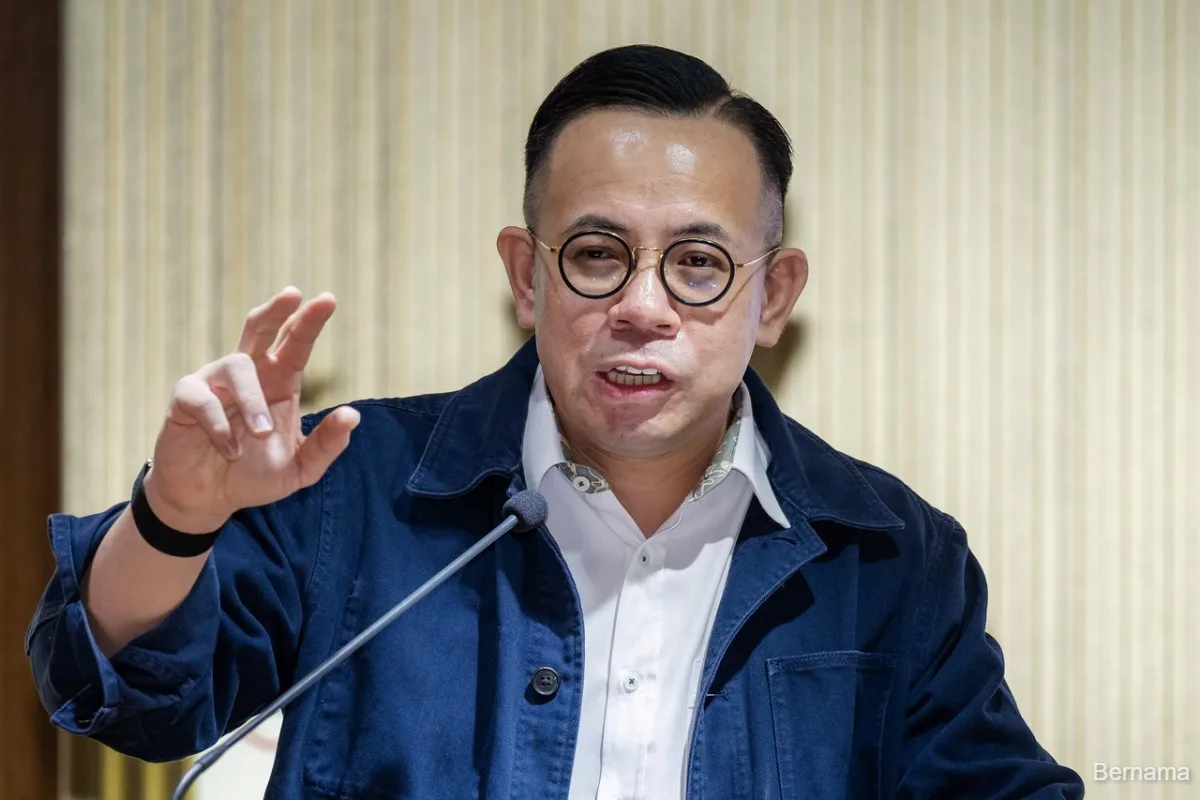
Malaysia’s economy expanded 5.8% in the second quarter of 2026, led by services, manufacturing, mining, and construction sectors [7]. The micro, small, and medium enterprise (MSME) sector grew 5.7% in 2025, reaching nearly RM690 billion in GDP and contributing 39.7% to the national economy. MSME exports also rose 10.5% to RM214.5 billion [8, 9]. Entrepreneur Development and Cooperatives Minister Steven Sim Chee Keong said, "However, despite facing various challenges, the Malaysian economy as a whole is still recording stable growth." He added, "The main challenge now is to help more local businesses scale up and penetrate the global market" [8, 9].
The government plans to increase MSME funding from RM50 billion to RM60 billion in 2026, including a RM5 billion SME Stabilisation Relief Fund and RM15 billion Power Up 10K initiative [8, 9].