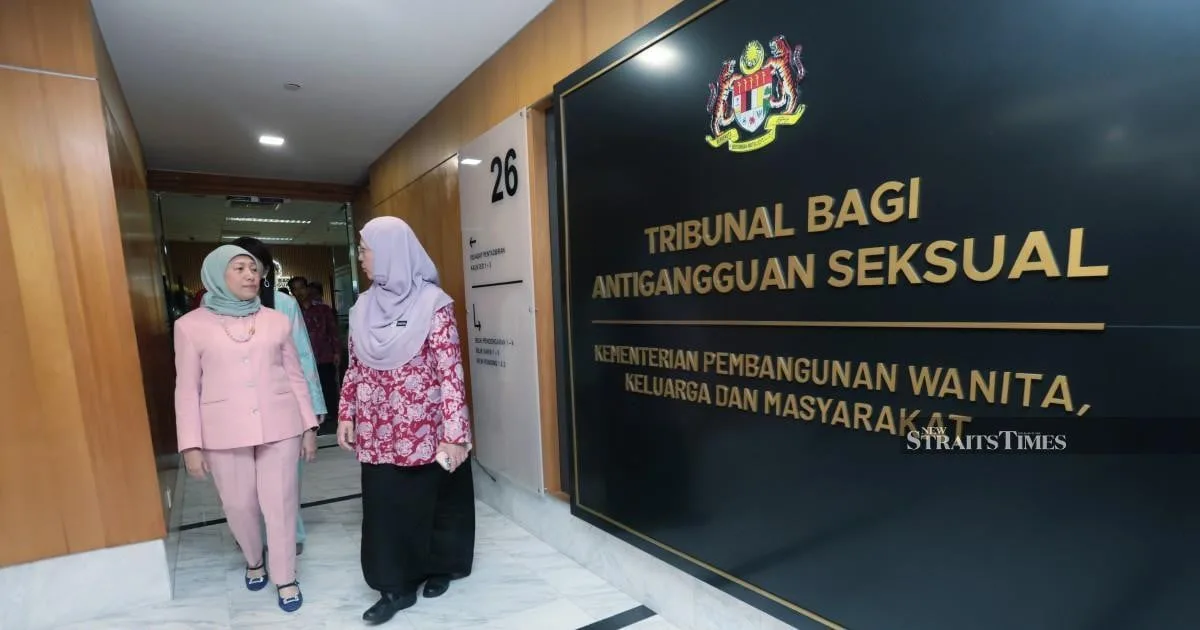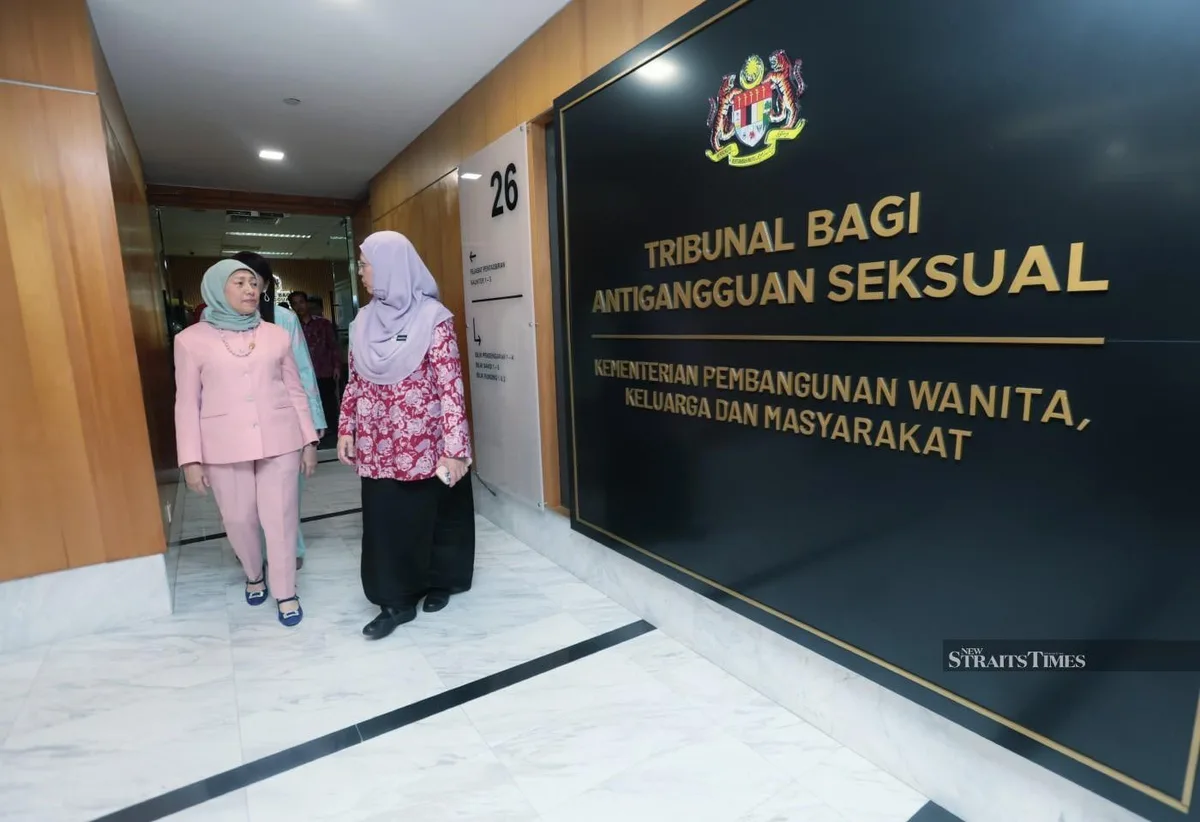
The Tribunal for Anti-Sexual Harassment (TAGS) in Malaysia has received 99 sexual harassment complaints since its creation on March 8, 2024, resolving 80 cases within 60 days while 19 remain under management as of June 7, 2026 [1, 2]. Operating under the Anti-Sexual Harassment Act 2022 (Act 840), TAGS applies the balance of probabilities standard to adjudicate cases [2].
TAGS can issue orders including formal apologies, publication of apologies, compensation of up to RM250,000, and mandatory attendance at relevant programs [1, 2]. A recent High Court decision upheld a TAGS award of RM60,000, affirming the judiciary's trust in the tribunal's professionalism and independent judgment [1, 2].
To enhance access, TAGS relocated in 2025 to Menara Aras Raya, Kuala Lumpur [1]. On January 1, 2026, TAGS launched e-TAGS, an electronic complaint management system allowing digital submission and streamlined case handling [1, 2]. Women comprise most complainants, but there are cases involving female perpetrators and some male complainants [1]. Hearings are conducted behind closed doors in multiple locations, including Sri Aman, Sarawak, to protect victims’ privacy [2].
Datuk Seri Nancy Shukri, Women, Family and Community Development Minister, emphasized that sexual harassment includes verbal, non-verbal, visual, gestural, and physical acts. She said, "Many people are unaware that sexual harassment is not limited to verbal and non-verbal conduct. It also includes visual forms, gestures and, in the most serious cases, physical acts" [1]. She added that visual evidence is now admissible in courts, urging caution [1].
Nancy Shukri also noted the societal tendency to suppress such issues due to sensitivity but stressed, "This is not something that should be regarded as taboo" [1]. She highlighted that many victims stay silent due to stigma, fear, or shame, underscoring the need for greater public awareness and reporting [1, 2]. In Chinese, she remarked e-TAGS helps to systematize, speed up, simplify, and paperlessly handle complaint processes [2].
Sexual harassment is recognized as a serious social rights and safety issue, not a trivial or private matter [1, 2]. TAGS continues its efforts to resolve cases efficiently, with 80 resolved within 60 days from hearings [1, 2]. The tribunal's next steps include ongoing management of the 19 pending complaints and maintaining secure, victim-sensitive proceedings.