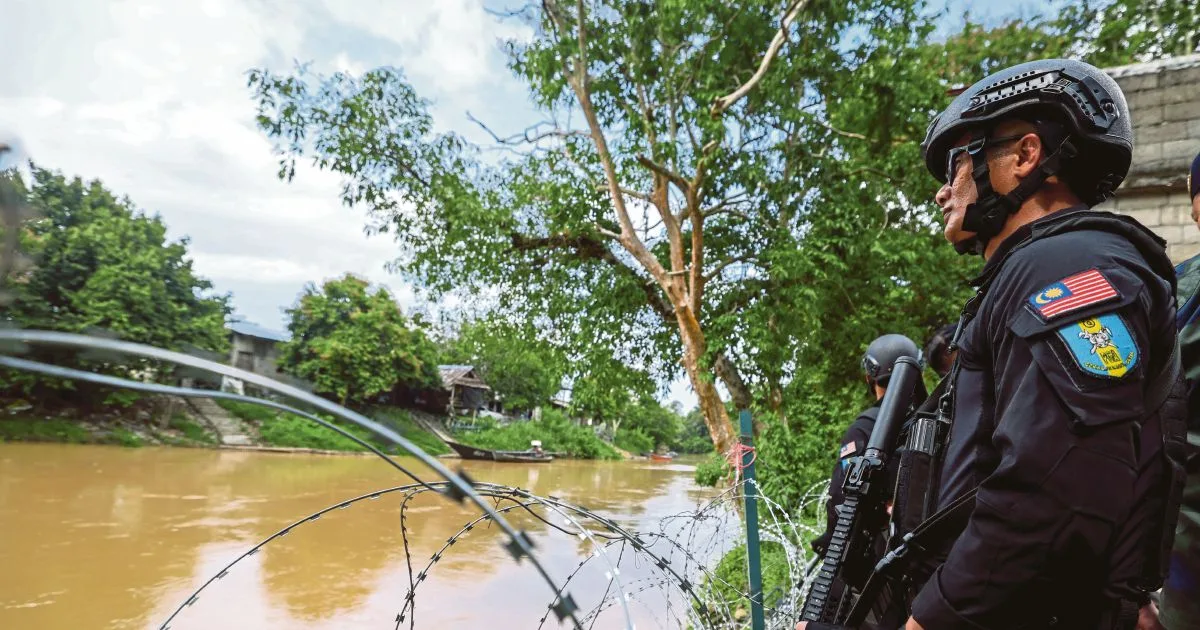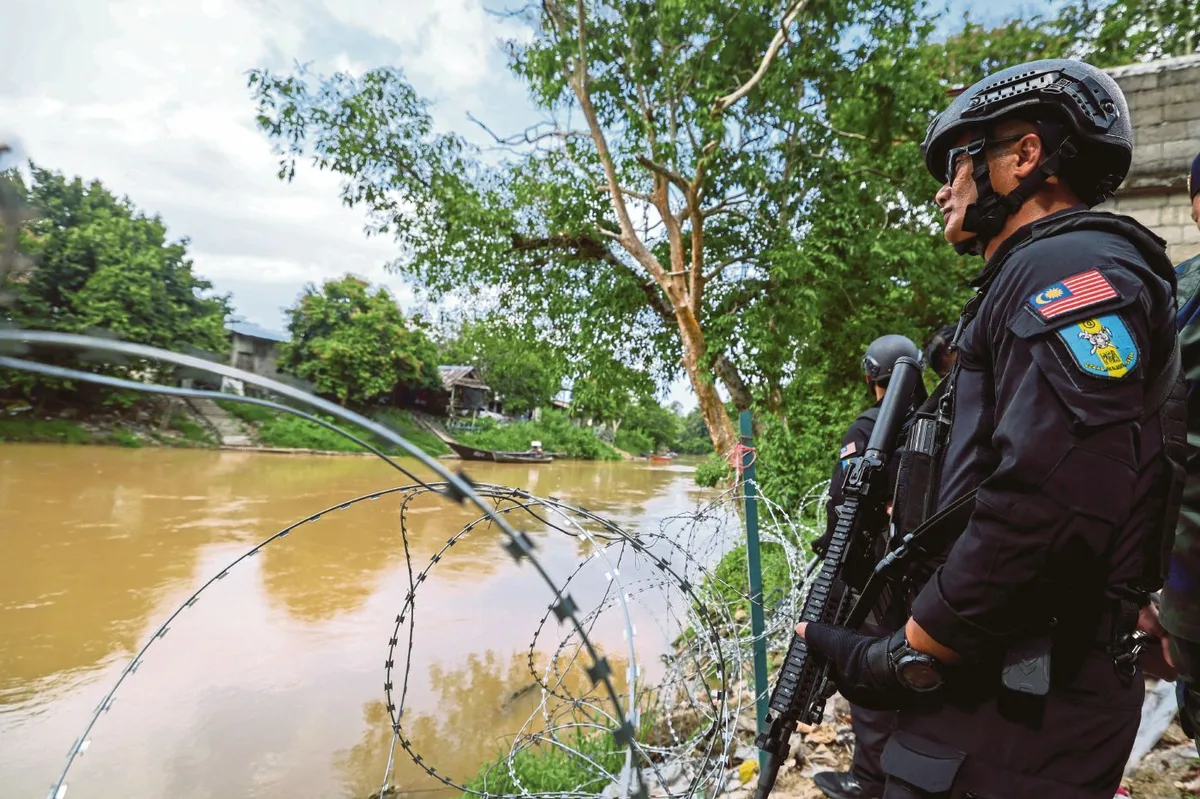
Malaysia announced tightened security and increased surveillance along its border with Thailand on August 27, responding to coordinated attacks in southern Thailand that have heightened tensions in the region [1, 2]. The focus is on northern border states from Perlis to Kelantan, with particular attention to Kelantan, which borders areas affected by bombings and unrest in southern Thai provinces [3, 4].
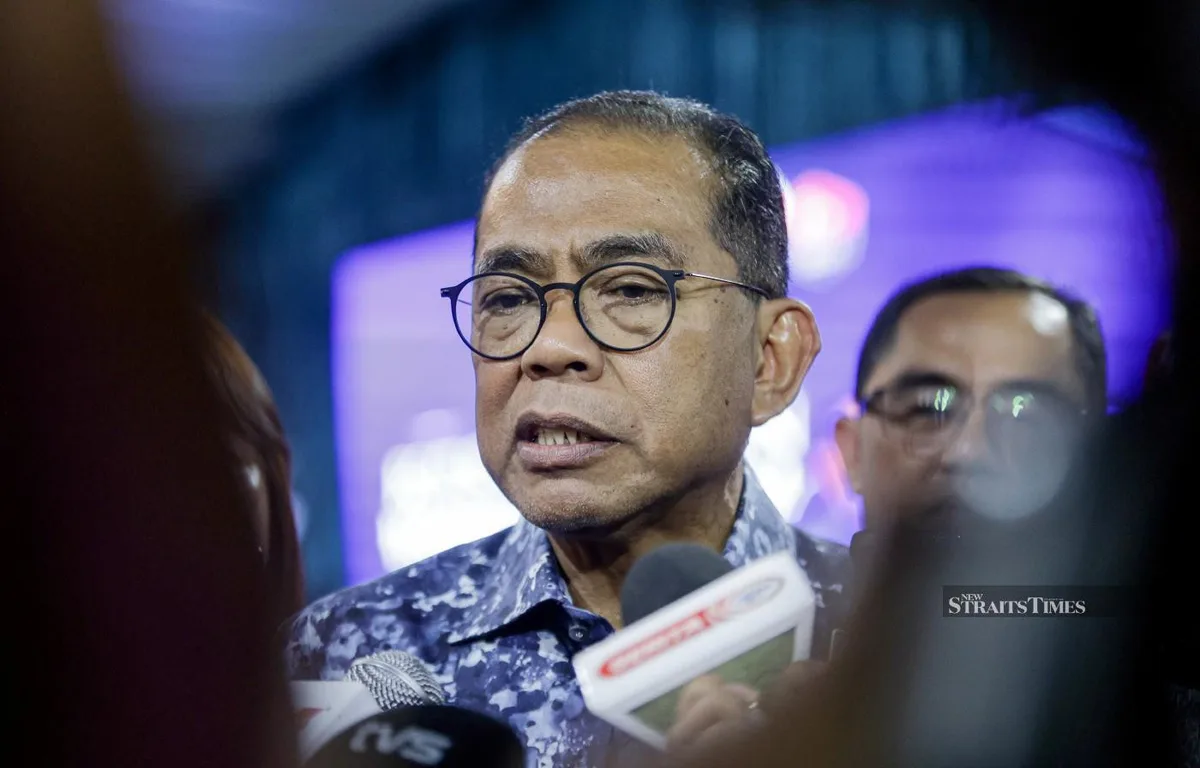
Defence Minister Datuk Seri Mohamed Khaled Nordin said the armed forces and police General Operations Force intelligence units have boosted personnel and assets deployment to secure border areas, especially forested terrain outside formal crossings. "The opportunity to enter Malaysia must be through formal border crossings," he said. He added Malaysia will not permit its territory to be used for planning, hiding, or other activities linked to violence in southern Thailand and pledged full cooperation with Thai authorities [1].
Malaysia is working closely with Thailand after requests on August 26 from Thai police and military to track individuals possibly linked to the Barisan Revolusi Nasional (BRN) rebel group who may have crossed into Malaysia following recent attacks [1, 3, 4]. The BRN has been the main actor in the decades-long insurgency causing over 7,000 deaths since 2004 [2].
The unrest intensified mid-August with a series of coordinated attacks, including arson, bombings, and gunfire in the southern Thai provinces of Pattani, Narathiwat, and Yala, targeting government and security facilities and injuring three people [2, 5]. Attacks totaled 73 locations. The provinces of Yala, Pattani, and Narathiwat remain most affected by violence, while provinces bordering Malaysia in Thailand's Satun and Songkhla are relatively spared [5].
The unrest caused a near 50% drop in visitors crossing into Malaysia at the Padang Besar post in Perlis over five days from August 22 to 27, impacting tourism and economies in border states [5]. Bukit Aman ISPO director Datuk Seri Mohd Yusri Hassan Basri emphasized the enhanced deployment of intelligence units along the border and cooperation between police and armed forces to monitor movement [3, 4].
Malaysia, as a facilitator in previous southern Thailand peace talks, is awaiting the appointment of new facilitators by Prime Minister Datuk Seri Anwar Ibrahim, following the term completion of Datuk Rabin Basir [1, 2]. Defence Ministry and armed forces have already submitted nominations for the new appointments [2].