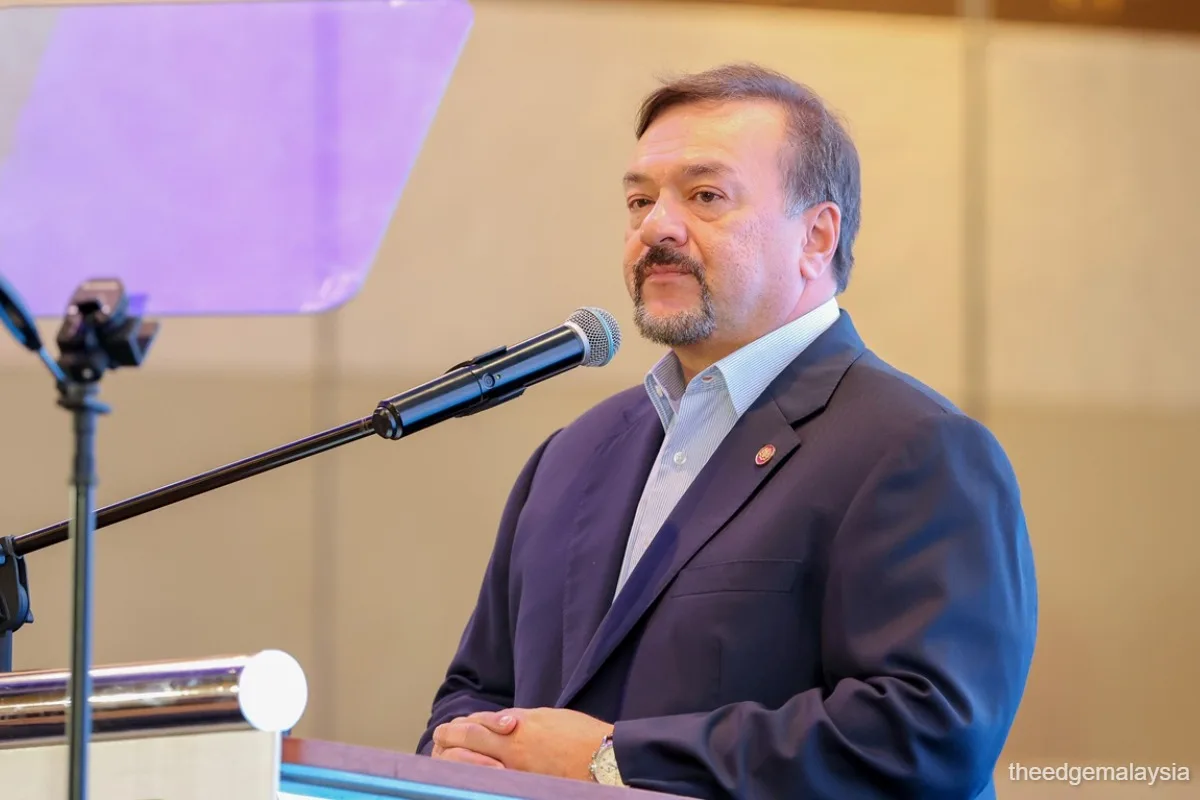
Finance Minister II Datuk Seri Amir Hamzah Azizan emphasized the need to strengthen Malaysia’s financial market foundations, improve efficiency, and widen capital access to keep markets competitive and resilient beyond just adopting new technologies. Speaking at a CIMB event on August 27, where Malaysia’s first tokenised deposit settlement for tokenised sukuk was launched, Amir highlighted collaboration among regulators, financial institutions, government-linked investment companies, and corporates as key to Malaysia’s financial future. He said, "The presence of financial market stakeholders sends a powerful signal of confidence in our markets and in our shared ambition to build a modern, dynamic and future-ready financial ecosystem" [1, 2, 3].
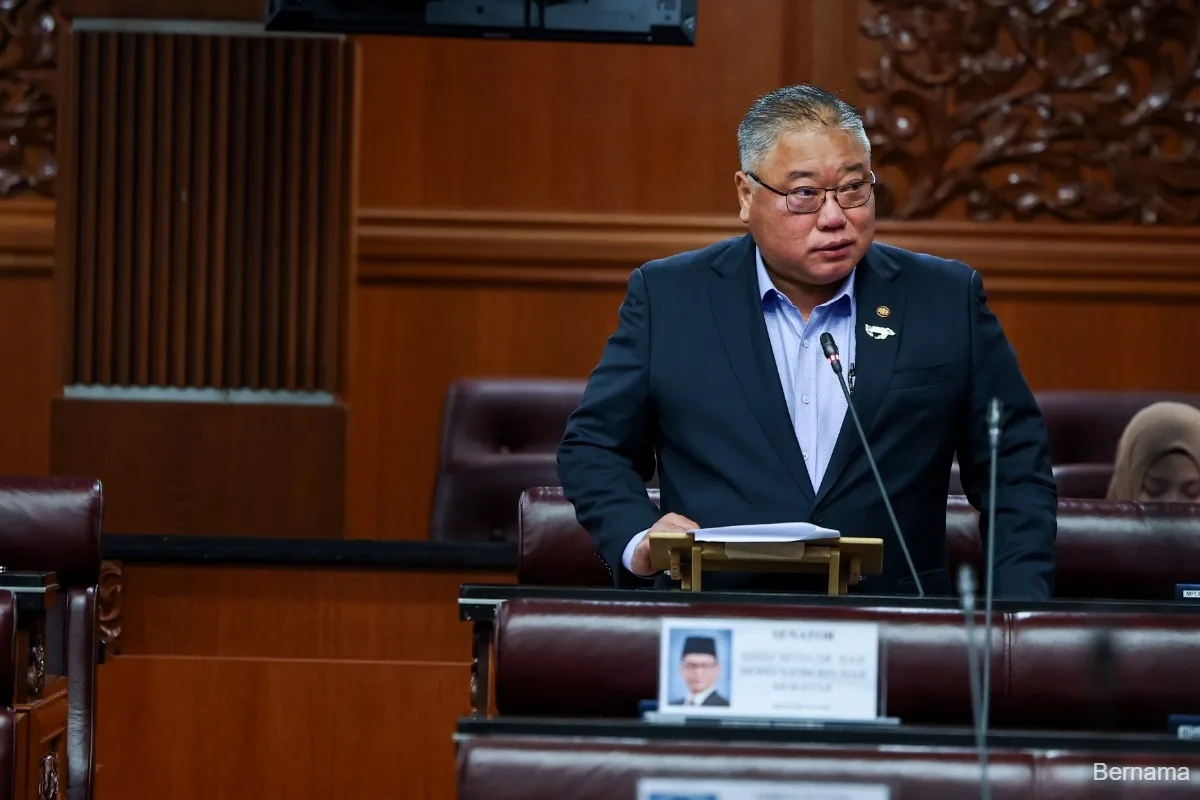
Tourism Minister Datuk Seri Tiong King Sing urged Malaysian My Second Home (MM2H) programme agents to follow foreign countries' laws when promoting and recruiting overseas, warning against potential fraud and confusion. In discussions with the Malaysian Association in South Korea on the same day, he stressed cooperation between MM2H agents and local industry partners abroad to enhance promotion and trust. Tiong said, "Agents who have obtained MM2H licences in Malaysia should not assume that they have fulfilled all regulatory requirements. When promoting MM2H and recruiting clients in other countries, they must also understand local laws and cooperate with local authorities" [4, 5].
Higher Education Minister Datuk Seri Dr Zambry Abd Kadir spoke at the Madani Malaysian Scholars Forum on August 26 about the need for a comprehensive review of laws including the Universities and University Colleges Act 1971 (AUKU). He announced an Independent Committee to gather views and study drafting a new One Higher Education Act to unify various education laws. Zambry said, "We need to review the existence of acts related to higher education... among the acts that are always in focus is of course, AUKU itself. We admit that there are constraints that existed before. That is why we are looking at new aspects, including in terms of guaranteeing academic freedom, freedom of expression, and student empowerment" [6, 7, 8]. The Education Ministry aims to expand equitable access through a "humane education" approach that includes Schools in Hospital and special school models for Orang Asli students.
Agriculture and Food Security Minister Datuk Seri Mohamad Sabu called on Malaysians to plant home gardens to boost food security and household resilience against crises. He said, "When every household can grow and harvest some of its daily vegetable and herb needs, we not only save on expenses but also build household resilience against crises or climate change" [9]. Mohamad also urged more Bumiputera farmers, especially youth, to actively engage in commercial agriculture and compete in large-scale farming. At the Malaysia Agriculture, Horticulture and Agrotourism Exhibition (Maha 2026), held August 28 to September 6 at Maeps Serdang, new pomelo and sweet potato varieties developed by Mardi were launched. The event saw 300 pomelo saplings and 30,000 sweet potato cuttings distributed for cultivation in Selangor, Kelantan, and Sabah. Mohamad highlighted learning from China’s use of technology and rural development to strengthen Malaysia’s agro-food sector and food security [9, 10, 11].
Prime Minister Datuk Seri Anwar Ibrahim spoke at the National Innovation and Commercialisation Expo (Nice 2026) on August 27. He stressed that Malaysia’s technological innovation must remain rooted in local values, culture, and humanity, saying, "Do not forget about the problems and interests of the people. If we are a Madani country... we are Malaysians, we are human beings, and we live by values. Therefore, while we reach for the skies, we must remain rooted to the ground." He urged the technology sector to move beyond domestic production to commercialize Malaysian innovations for export and to build international cooperation networks [12].
The sector developments from August 26 to 28 show focused government action on modernization across finance, education, tourism, agriculture, and technology. The Maha 2026 exhibition will continue through September 6 with ongoing promotion of new agricultural products and home gardening initiatives [9, 10].