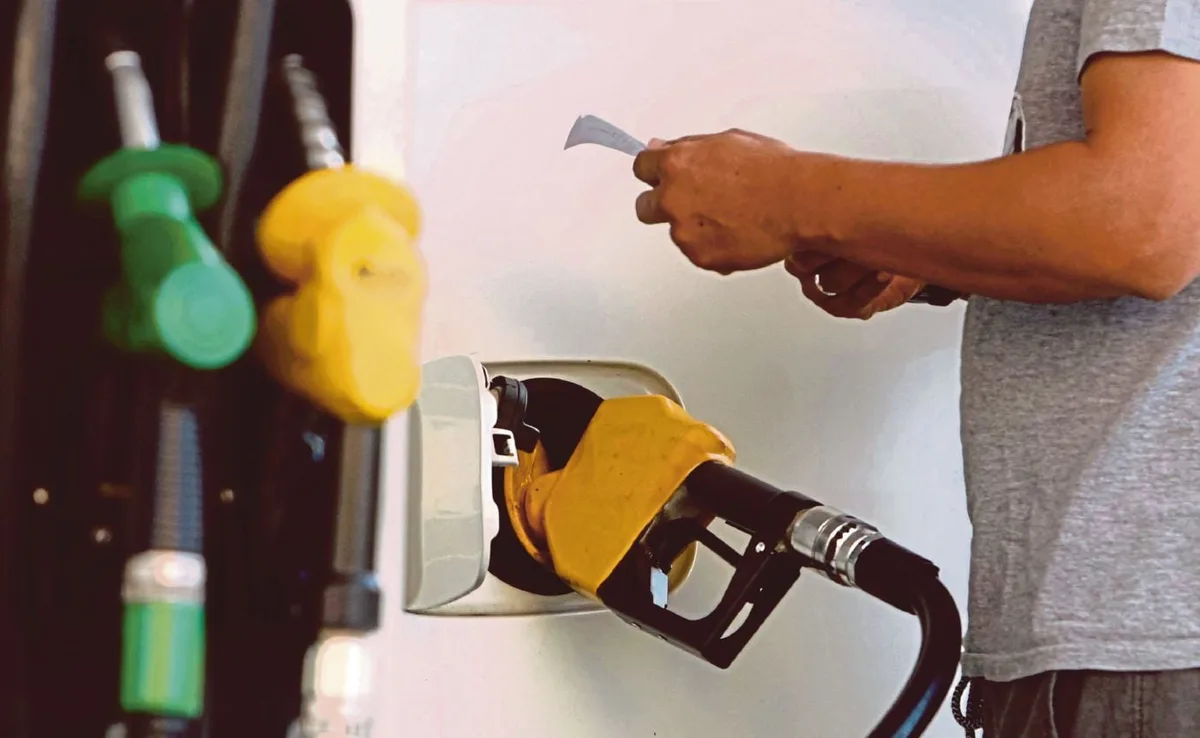
The Malaysian government considers adjusting subsidies for RON95 petrol as a last resort because of its direct effect on household spending, senior economic adviser Nurhisham Hussein said on May 27 and 28, 2026 [1, 2]. Nurhisham explained, "Petrol is a very sensitive issue and it has a direct impact on the rakyat's pockets. Even if there is a petrol subsidy adjustment, it will be pushed back later" [1].
Since April 1, 2026, the government has reduced the subsidised RON95 fuel quota from 300 litres to 200 litres per month. This change affects about 10% to 15% of consumers, while approximately 90% remain unaffected by the new quota limits [1, 2]. Nurhisham stated that the government still has several policy options on the table but is proceeding cautiously with subsidy adjustments [1, 2].
Potential further policy measures include raising the subsidised fuel price from RM1.99 to RM2.05 or RM2.10 per litre or tightening the monthly quota even more. However, these options are seen as last resorts and will only be implemented if necessary [1].
Fuel prices recently eased due to increased production from major oil producers and reduced imports by China, but market conditions remain uncertain, adding complexity to subsidy decisions [1]. Malaysia currently has sufficient crude oil and fuel stockpiles to last until July 2026, supporting supply stability for the next several months [2].
Separately, the government is working to tighten the diesel subsidy quota under the Diesel Subsidy Control System. This effort aims to reduce excessive quota issuance and ensure more efficient subsidy use [2]. Meanwhile, a special government task force is closely monitoring domestic food and medicine supply chains amid ongoing cost pressures, with essential food prices such as chicken, eggs, and rice remaining stable. However, agricultural input costs, including imported feed and fertilizer, continue to stay high [2].
The government’s next key focus includes continued monitoring of fuel supply and subsidy impact, with the current subsidised fuel quota adjustment in force since April 1, 2026, and further policy moves to be announced if market or fiscal conditions require.