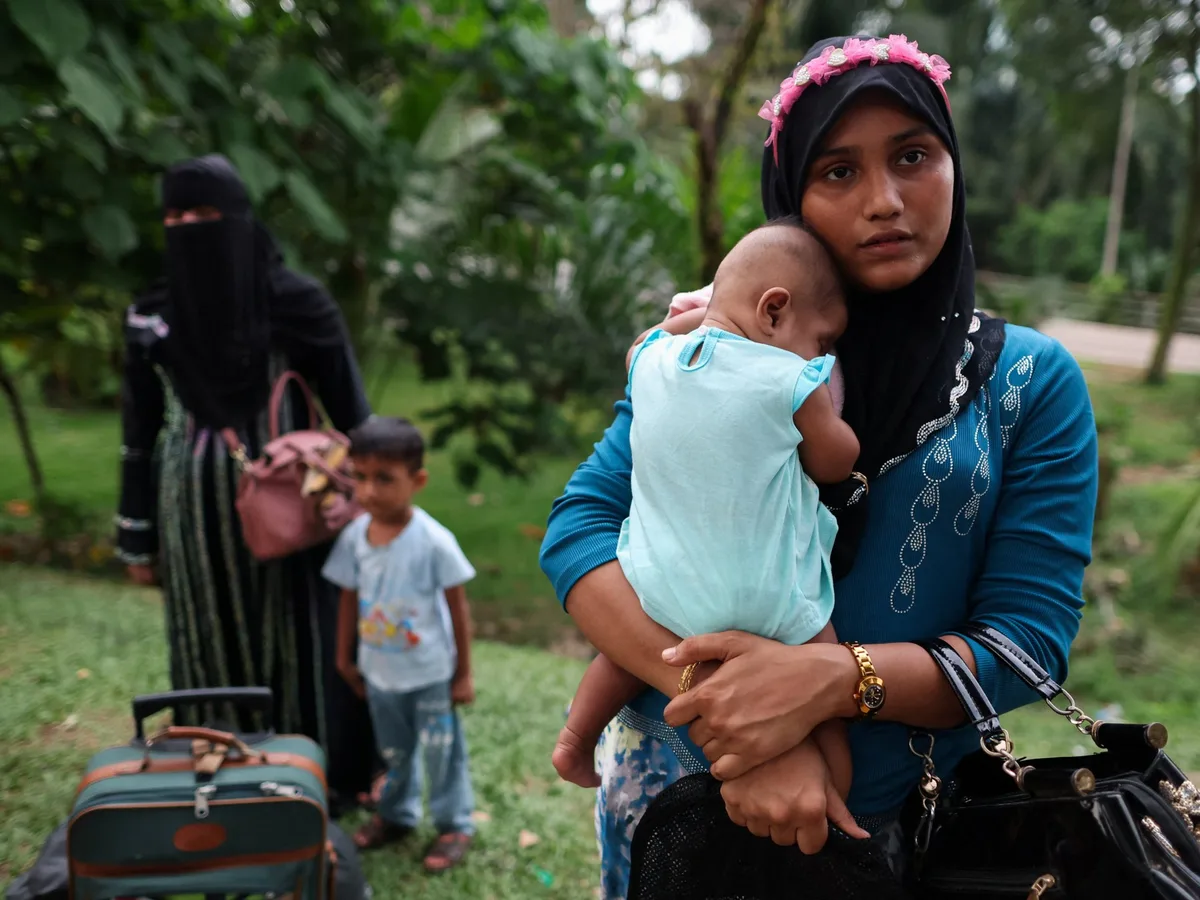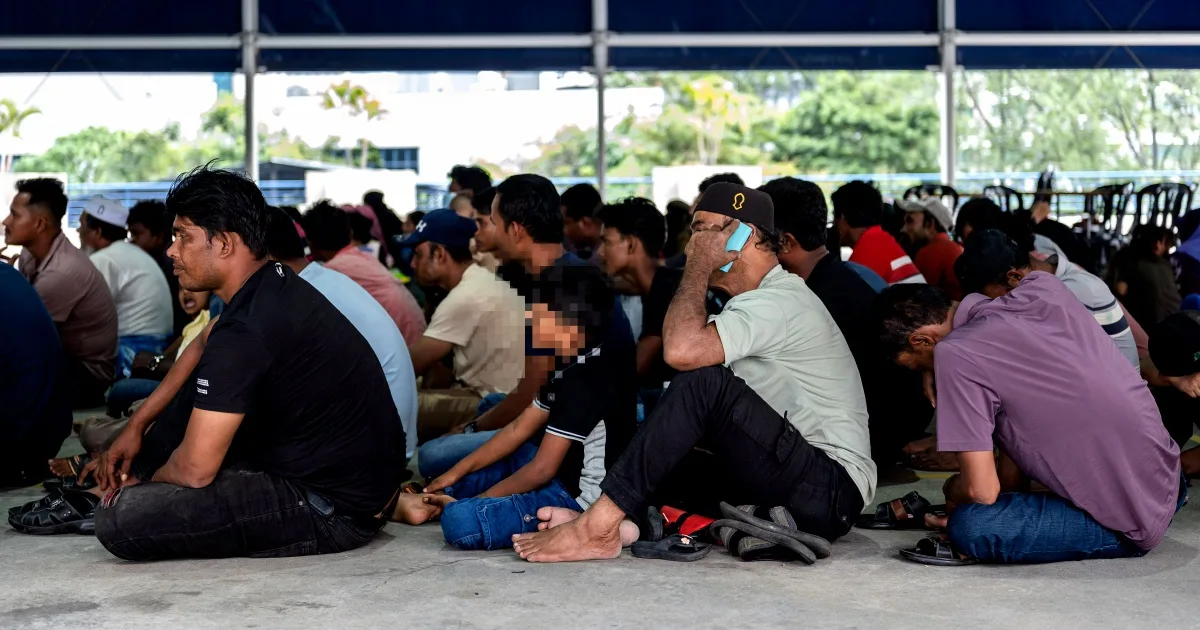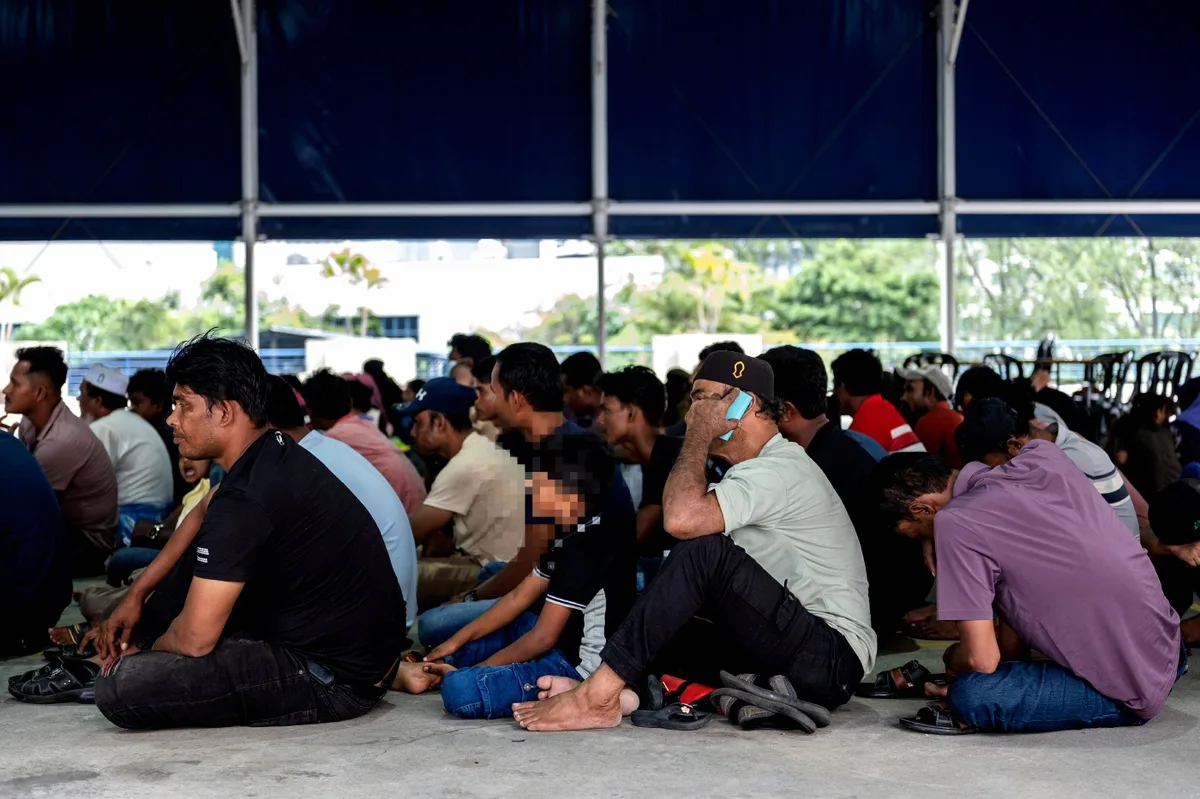
Malaysia intends to repatriate an initial group of 5,000 Rohingya refugees to Myanmar but will ensure no refugees are sent back if their lives or safety are at risk, officials confirmed [1, 2, 3]. Communications Minister Datuk Seri Fahmi Fadzil said, “Malaysia, as a responsible country, will not send the 5,000 Myanmar refugees back if they are likely to be persecuted or if their lives would be at risk” [1]. He added that the plan is under close review. "The prime minister has said that we cannot send them back if their lives would be in danger. Wisma Putra is examining several matters related to this," Fahmi told reporters [3].
The Malaysian Foreign Ministry (Wisma Putra) and Home Ministry are currently assessing the repatriation criteria before proceeding with the plan [1, 2, 3]. On July 29, Prime Minister Anwar Ibrahim announced that Myanmar's military junta had agreed to accept the return of 5,000 Rohingya refugees following bilateral talks [1, 3].
Malaysia is home to over 126,000 registered Rohingya refugees, one of the largest populations in Southeast Asia [2]. The country does not formally recognize refugee status nor is it a signatory to the 1951 UN Refugee Convention [2]. Rohingya refugees in Malaysia have faced growing online hate campaigns, xenophobia, and intimidation recently, including forced closure of refugee schools and evictions [2].
Human Rights Watch and other rights groups oppose the repatriation plan, citing ongoing risks of persecution and serious abuses in Myanmar [2]. More than 1.3 million Rohingya have fled Myanmar since military crackdowns intensified in 2017, many seeking refuge in Bangladesh, Indonesia, and Malaysia [3].
The Malaysian government has emphasized that any repatriation will not proceed if the safety of the refugees cannot be guaranteed. The next steps hinge on continued assessments by the Foreign and Home Ministries to determine the feasibility and conditions for safe returns [1, 2, 3].