On July 22, two to seven secondary school students in Sentul collapsed or were found unconscious following use of vape products containing synthetic drug-laced liquid, prompting serious concern [1, 2, 3, 4]. This incident triggered a nationwide crackdown by Malaysia's Narcotics Crime Investigation Department (NCID).
Between July 23 and 25, police launched coordinated operations named Op Kesing, Op Madarini, and Op Eristalis targeting syndicates producing, storing, and distributing drug-laced vape cartridges [2, 3, 4]. Authorities arrested 14 suspects consisting of eight men and six women aged 20 to 55, both local and foreign nationals [2, 3, 4].
The raids uncovered drugs and vape cartridges valued at more than RM45.6 million, including 742.74 kg of methamphetamine in various forms, 962 vape cartridges filled with MDMA liquid, ketamine, ecstasy pills, Erimin 5 pills, and yaba pills [1, 2, 3, 4]. Police also seized six vehicles, jewelry, and cash totaling about RM341,746 [3].
Officials revealed that the syndicates used false declarations on import documents to disguise precursor chemicals as fruit juice or vape accessories. The groups operated from houses and a fish-processing factory in Klang Valley and smuggled drugs to neighboring countries by boat [2, 3, 4].
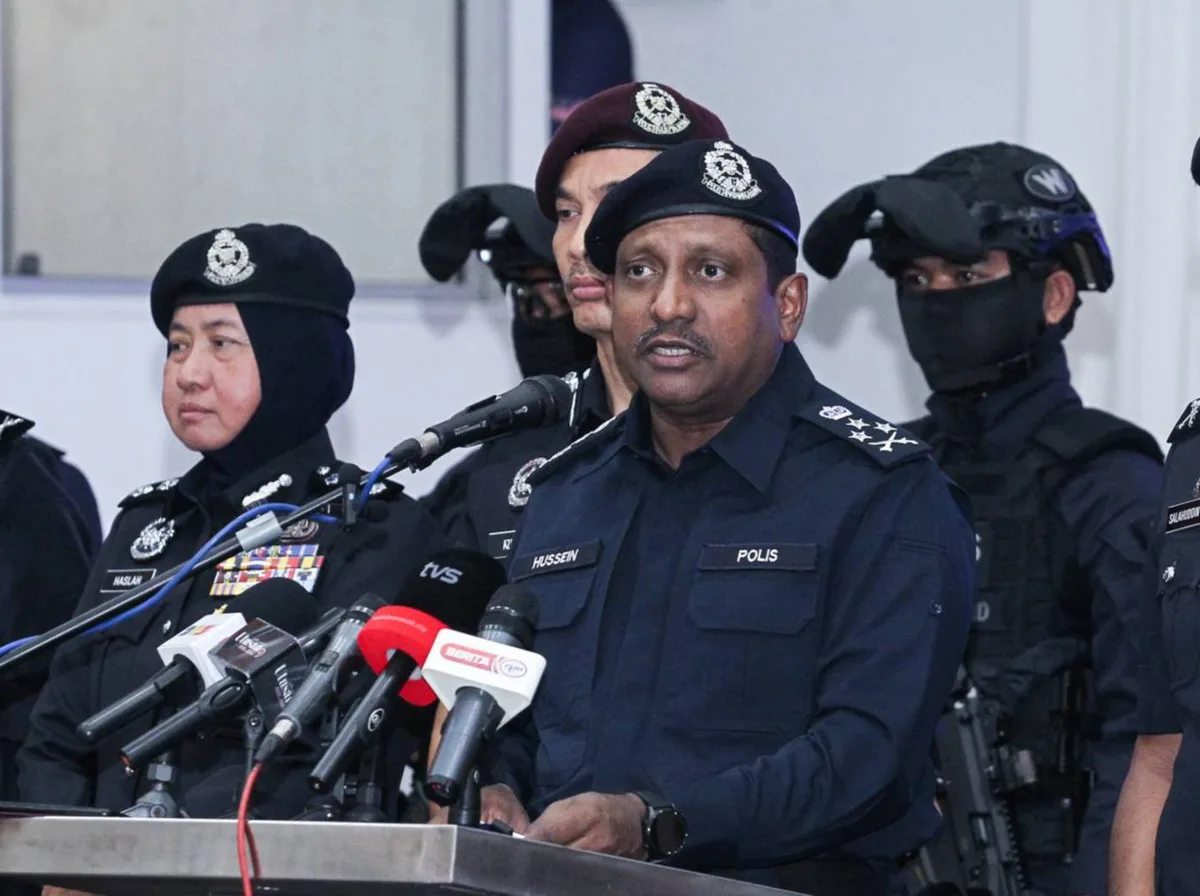
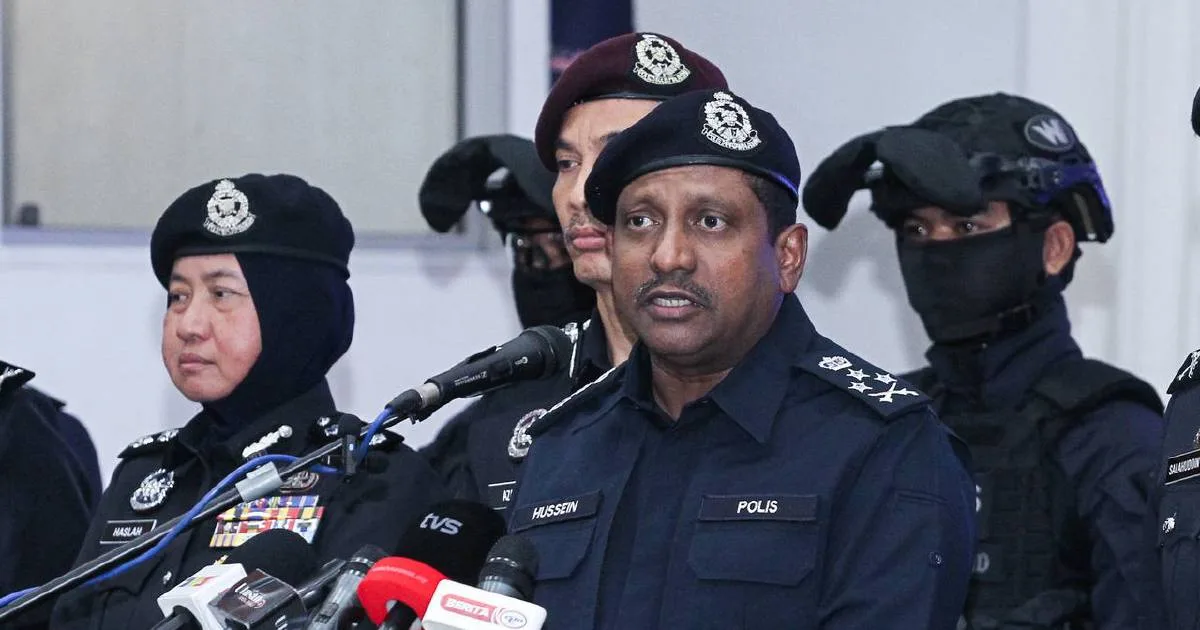
Urine tests showed some arrested suspects had consumed methamphetamine or amphetamine, and some had prior drug-related records [3]. NCID director Datuk Hussein Omar Khan described the rise of drug-laced vape products as a new and serious challenge for drug enforcement in Malaysia, especially concerning youth.
He said, "The misuse of vape devices containing narcotic substances has emerged as a new challenge in Malaysia's drug landscape. The incident involving the students in Sentul demonstrates how serious this threat has become and why immediate enforcement action was necessary. Our priority is to dismantle the supply chain before more young people become victims" [2].
Datuk Hussein also confirmed the three syndicates are believed linked through the same network distributing vape components and drug-laced liquids domestically and internationally, including to school students as seen in the recent Sentul case [3].
Bukit Aman police held a press conference on July 29 to detail the arrests, seizures, and methods used by the syndicates [3, 4]. The 14 suspects remain in remand for 6 to 7 days until July 31 as investigations continue [3].