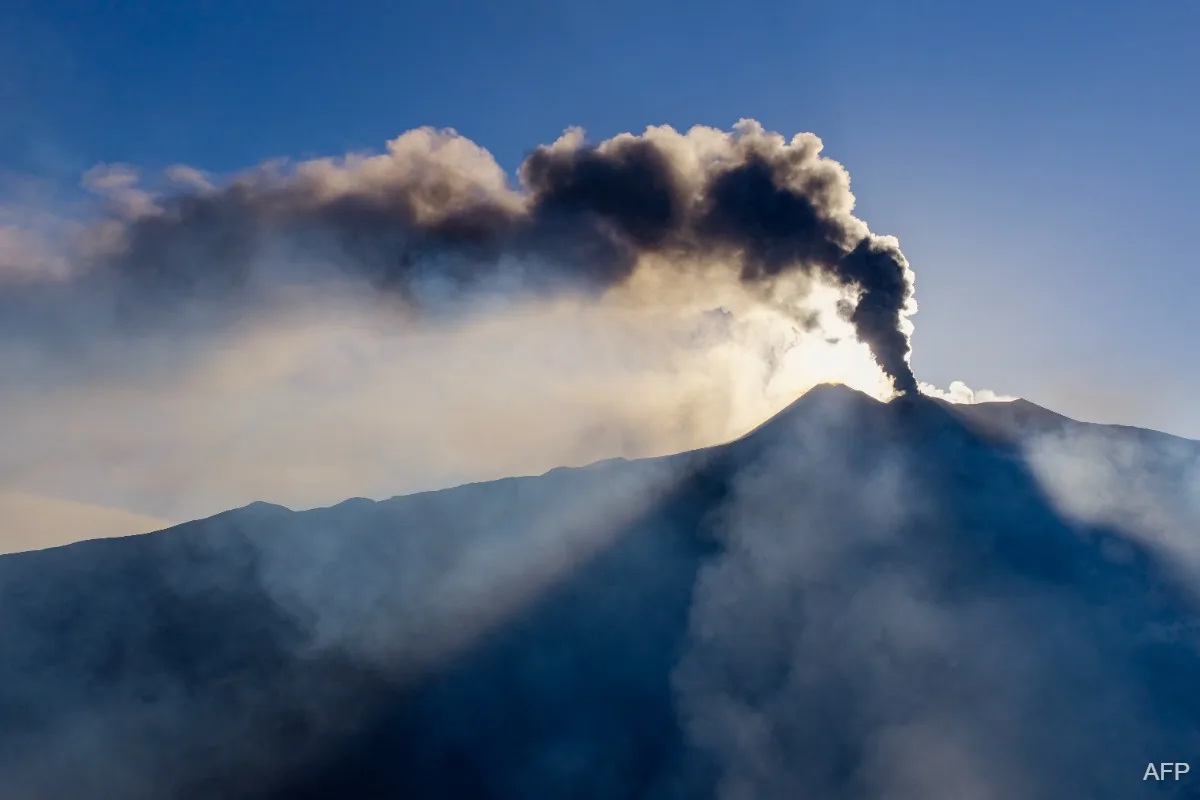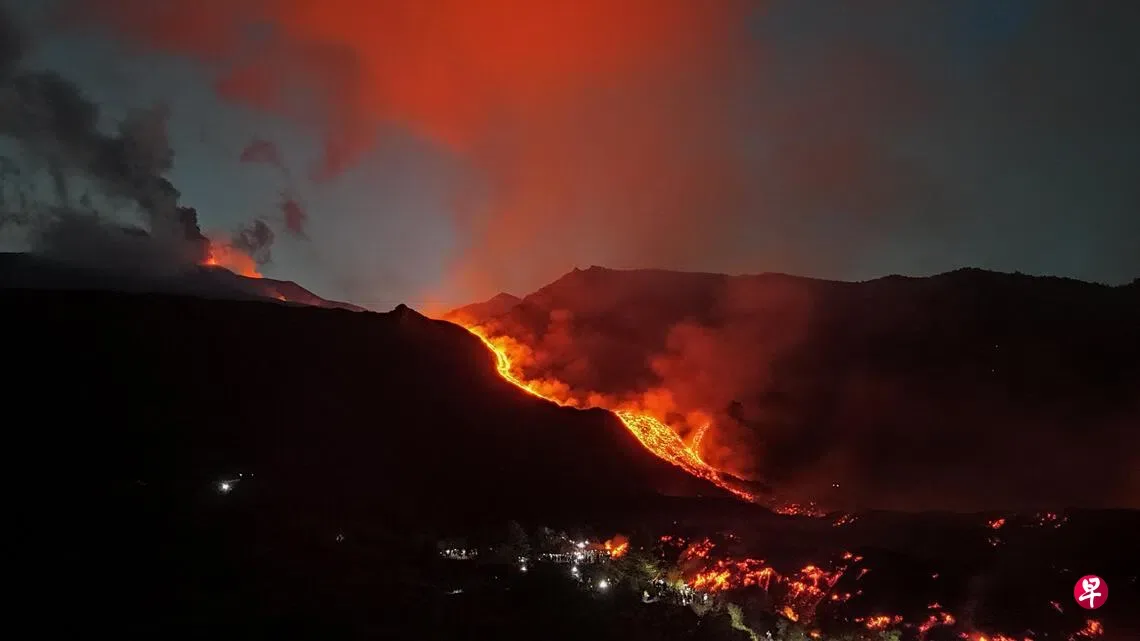
Mount Etna began a new phase of volcanic activity around August 6, 2026, producing significant ash emissions that disrupted air travel across Sicily and parts of the central Mediterranean [1, 2, 3, 4, 5].
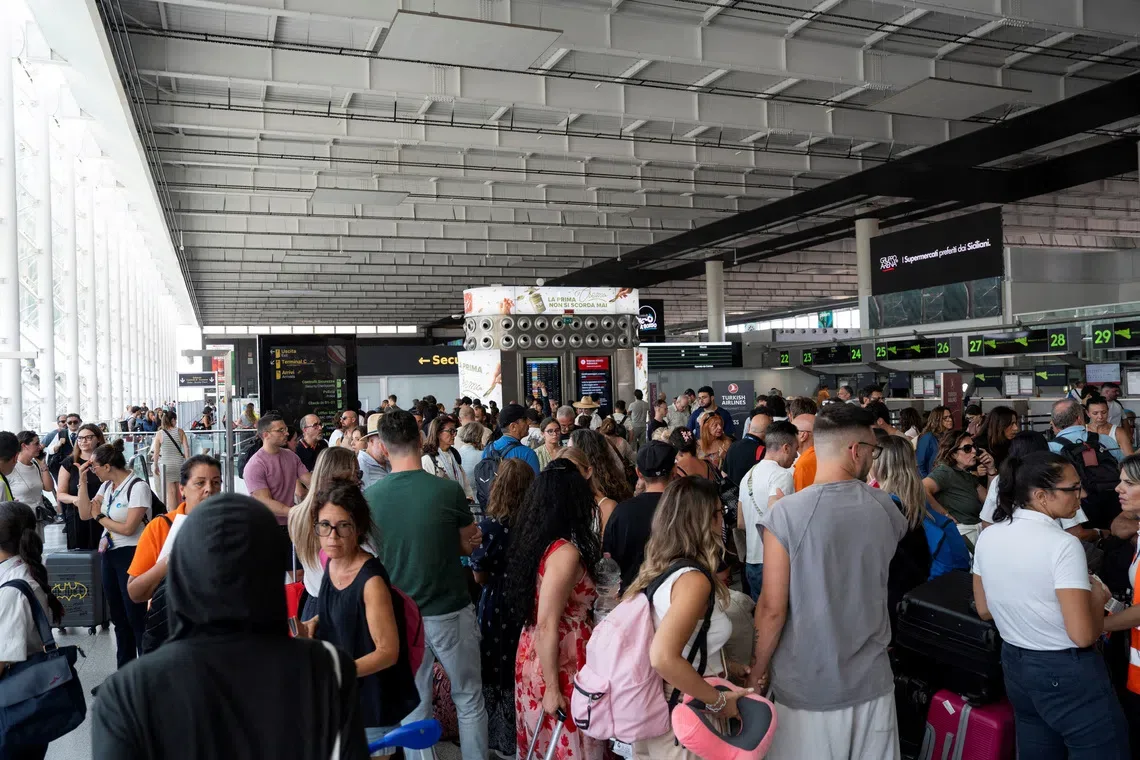
Catania airport, Sicily's busiest and Italy’s fifth-largest by passenger traffic, faced multiple closures from August 11 through early August 15 due to heavy ash clouds. Flights were suspended for arrivals and departures, causing prolonged shutdowns during peak summer travel days [1, 2, 3, 6, 4, 7, 8, 5]. On August 15, following a downgrade of the volcanic alert from red to orange, Catania resumed flight operations [9].
Between August 6 and 12, more than 1,350 flights were affected at Catania airport. Around 1,000 flights were canceled and about 350 rerouted to other Sicilian airports including Palermo, Trapani, and Comiso [6]. Palermo’s airport took on roughly 190 diverted flights, leading to overcrowding and delays, as Palermo Mayor Roberto Lagalla noted: "The city's airport had absorbed 190 flights originally scheduled to arrive at or depart from Catania in recent days" [2].
Malta International Airport, situated about 220 km south of Etna, also experienced disruptions. Nineteen flights were canceled on August 11 and 12, with further delays caused by ash drifting over Maltese airspace. A spokesperson said, "We're currently experiencing flight disruptions due to volcanic ash clouds over the Maltese Islands following recent activity at Mount Etna" [1, 10, 11].
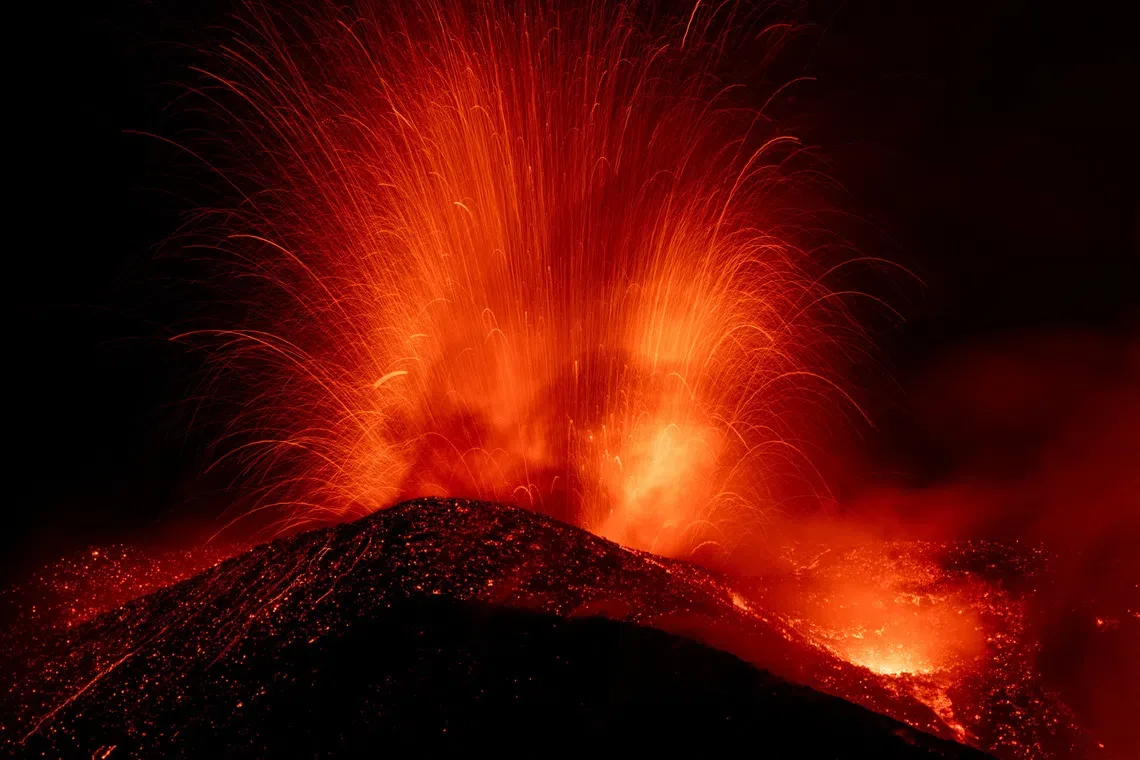
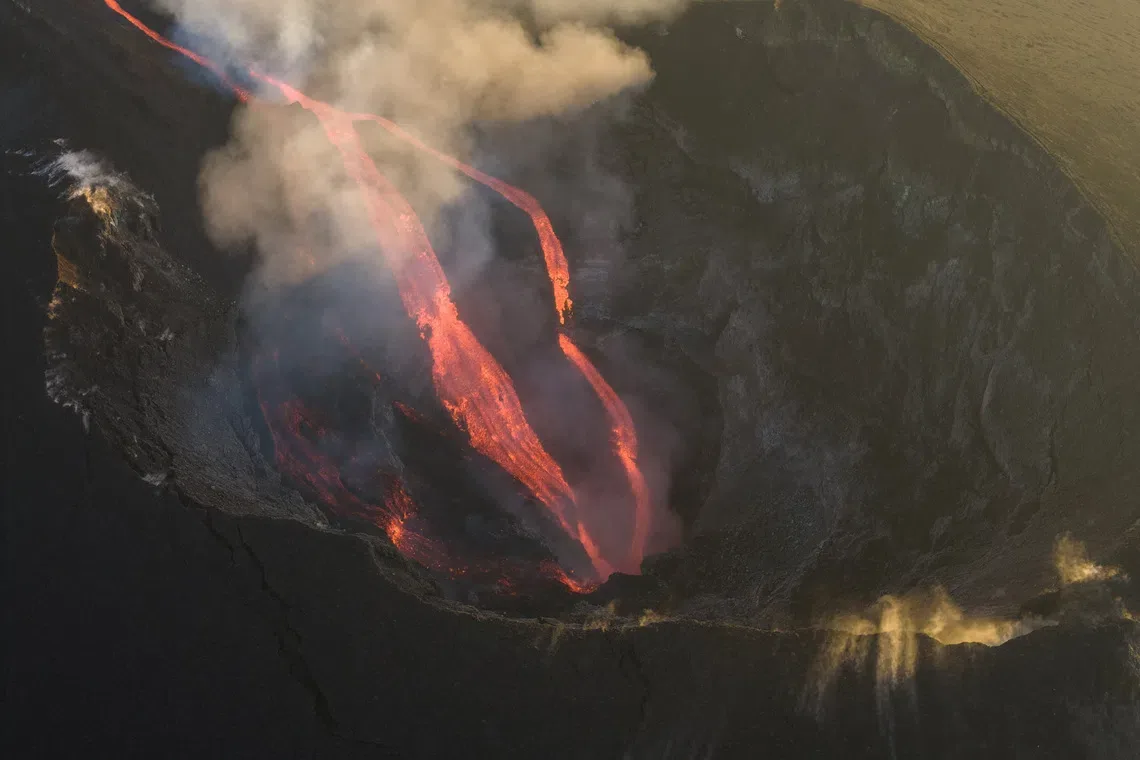
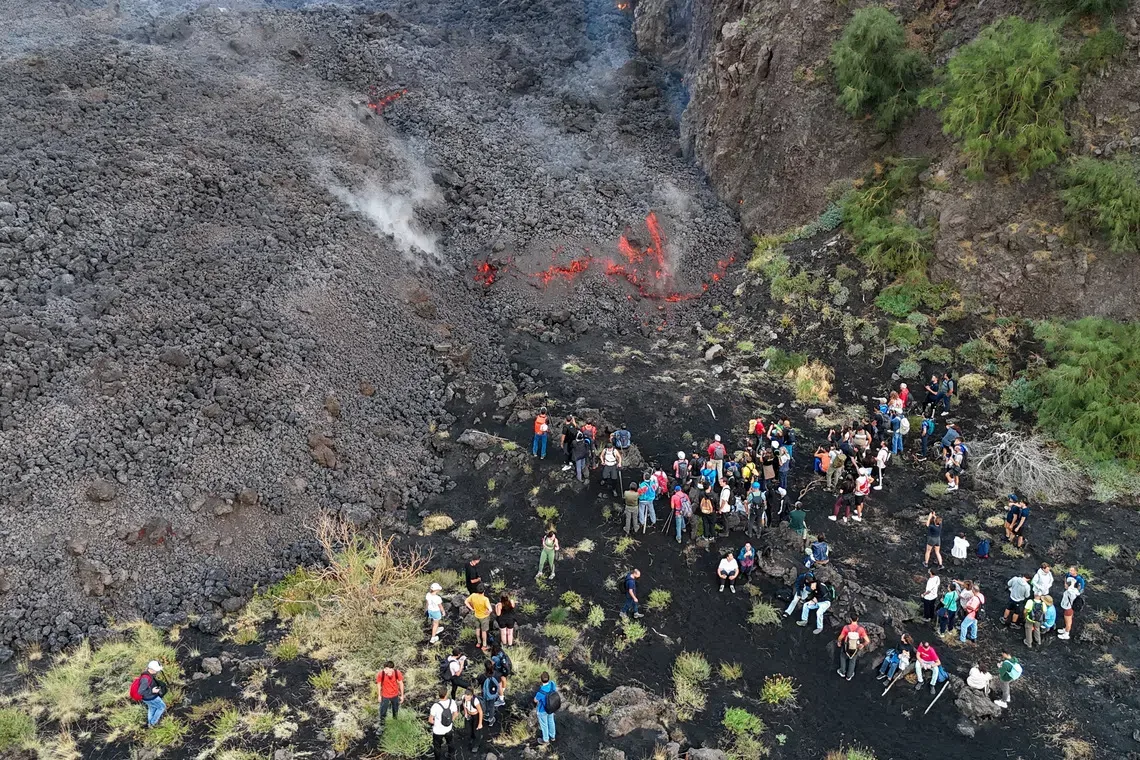
Etna’s volcanic activity has involved emissions of ash and lava flows from multiple vents at altitudes between 1,900 and 2,750 meters, creating vigorous and ongoing eruptions as of mid-August 2026 [4, 5]. Mount Etna is Europe’s highest and most active volcano, regularly affecting air traffic in the region [1, 2, 4, 8].
Italian volcanologist Marco Viccaro explained the disruptions, stating, "This suggests that deeper, gas-rich magma is playing a more active role, making the fragmentation process more efficient and leading to increased ash production, which is severely disrupting air traffic to and from Catania airport" [3, 4].
The extensive flight interruptions impacted more than 100,000 passengers, many of whom were stranded or faced costly alternate travel routes in the crucial tourist season. Tourism accounts for about 4.2% of Sicily’s GDP and brings roughly 22.5 million visitors each year [6].
The airport operator, Società Aeroporto Catania (SAC), is coordinating with regional airports and authorities to manage the situation. SAC had announced the sale of a majority stake in May 2026, adding complexity to the operational response [6, 4, 7].
Catania airport’s restart on August 15 marks the first resumption of flights since the extended closures began, with flight operations expected to gradually normalize as the volcanic threat level remains at orange or lower [9].