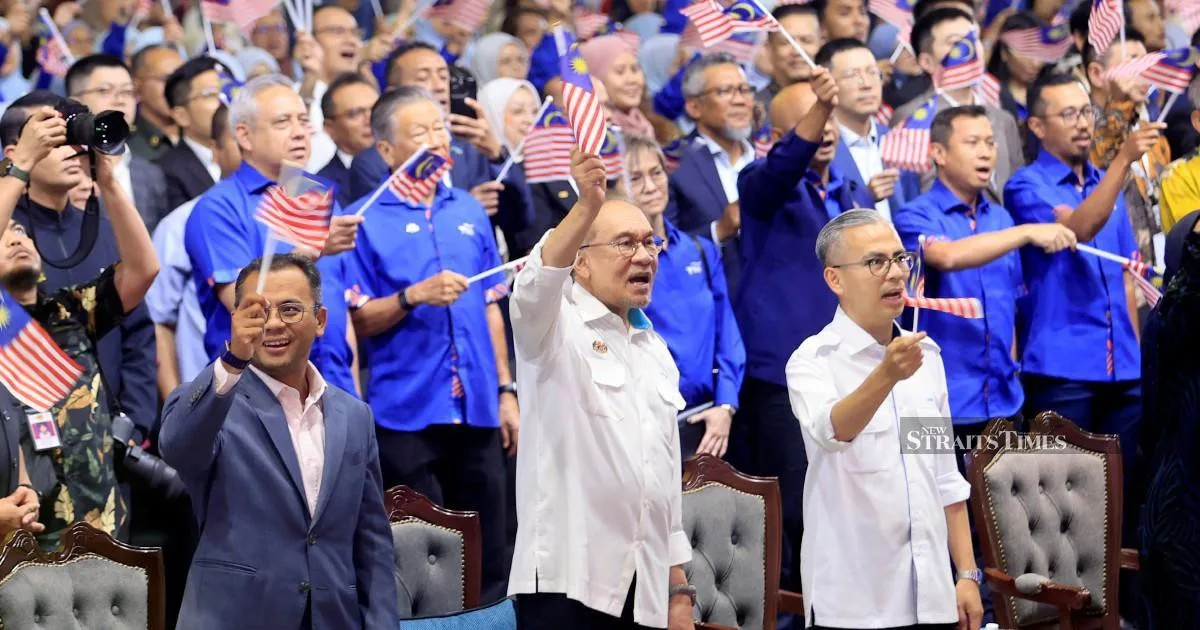
Prime Minister Datuk Seri Anwar Ibrahim ordered Malaysian universities on August 26 to grant students full freedom without waiting for the official abolition of the Universities and University Colleges Act (AUKU) [1, 2, 3, 4]. He instructed university leaders to relax regulations that unnecessarily restrict student expression and to drop all non-criminal disciplinary actions against students immediately [1, 2, 3, 4].
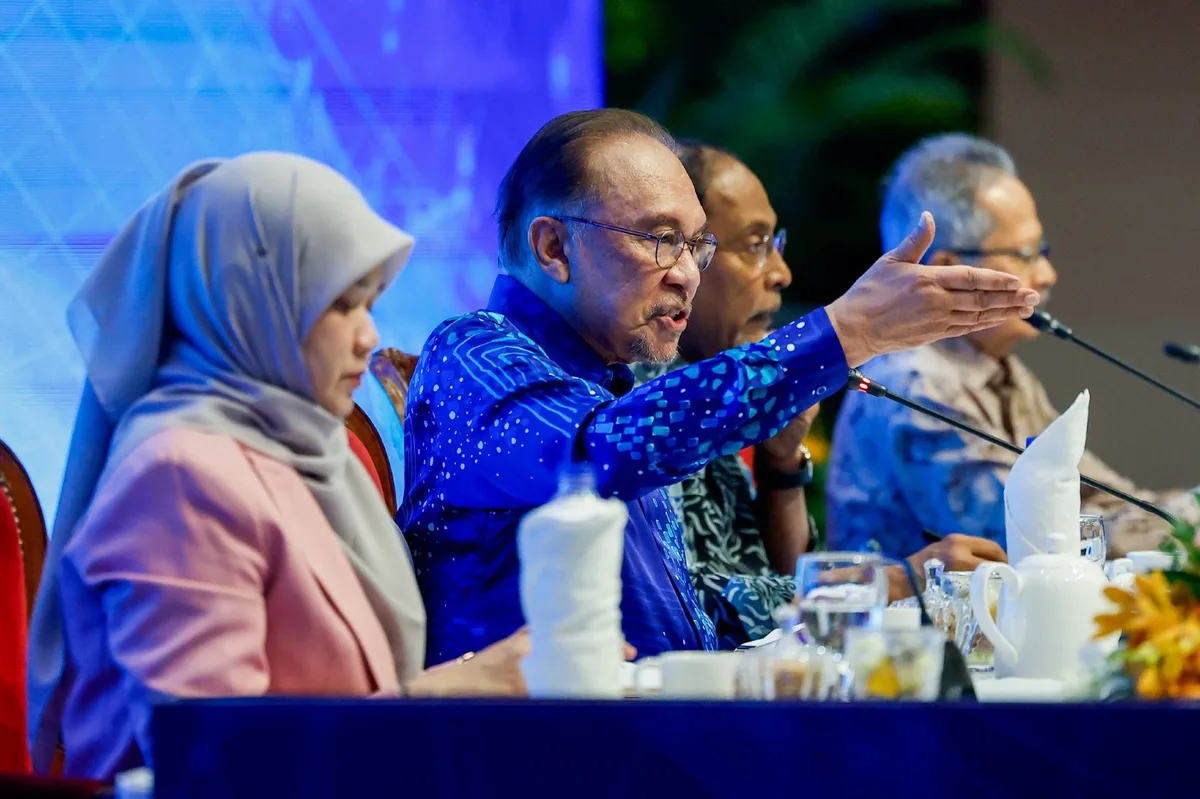
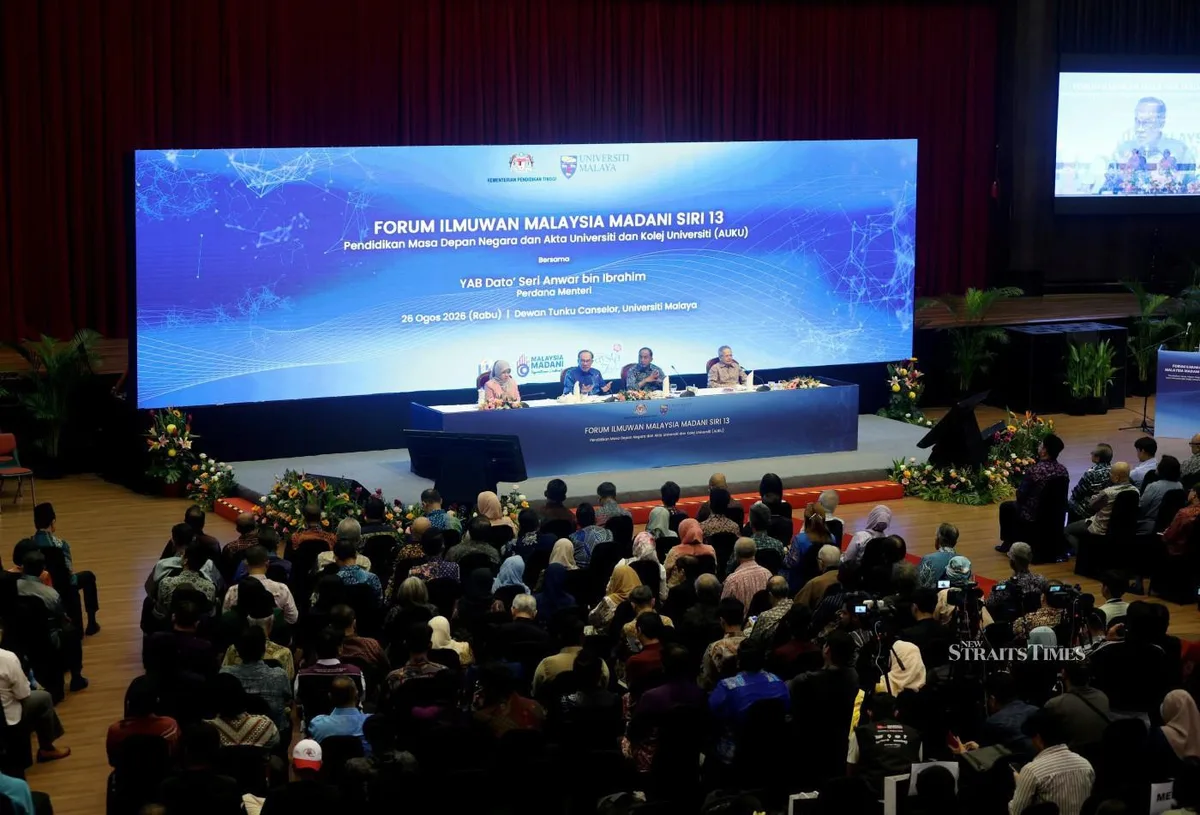
Anwar said students facing disciplinary proceedings solely for expressing views or criticisms must be released immediately by universities, though police cases remain separate [2, 3, 4]. Addressing the Malaysia MADANI Scholars Forum Series 13 at Universiti Malaya in the evening, the prime minister emphasized that universities should serve as platforms for critical thinking and new ideas, even when students criticize ministers or the government. He stated, "We can demand that students defend their arguments, but we must position universities as a space for critical thinking and fresh ideas, even if it is often ministers and the government who end up on the receiving end" [2, 5, 3, 4].
Anwar acknowledged that not all students claiming to be free thinkers are genuinely independent, saying, "A student may say they are free, but sometimes they become a tool for certain ideologies. I accept that reality, but give them the space" [2]. He also called for academic staff to express their views freely without government constraints, adding, "Academic views must not be restricted or muzzled by government regulations on the basis that they are government staff" [6, 7].
However, Anwar rejected proposals to give students the authority to appoint university senior leaders such as deans and vice-chancellors, stating, "There are views that students should be given the authority to appoint deans, vice-chancellors and so on. I do not agree. Students having the freedom to speak, to criticise and so on — that I agree with" [8].
Anwar announced the plan to abolish AUKU at the PKR National Congress on August 15 and is seeking a thorough review and consultation process to comprehensively amend or repeal the law [2, 3, 9, 4]. He asked for "a little room" to allow the government time and space to complete the overhaul [9]. The new AUKU amendments will reduce ministerial powers to give universities more administrative and academic autonomy [4].
The prime minister clarified that the freedom granted to students excludes unlawful acts such as damaging public property or disturbing social order. He said, "你可以表达自己的观点,但不能扰乱社会秩序或破坏公共财产... 我们所说的自由,是指表达观点、发表意见或提呈备忘录,我们都非常欢迎" [4].
Starting tomorrow, August 27, universities across Malaysia must implement full student freedom measures as ordered by Anwar, ahead of the formal repeal of AUKU [2, 3].