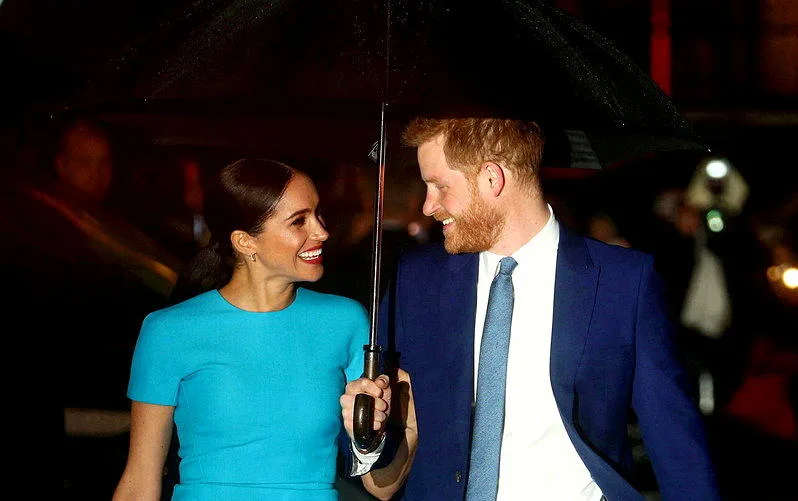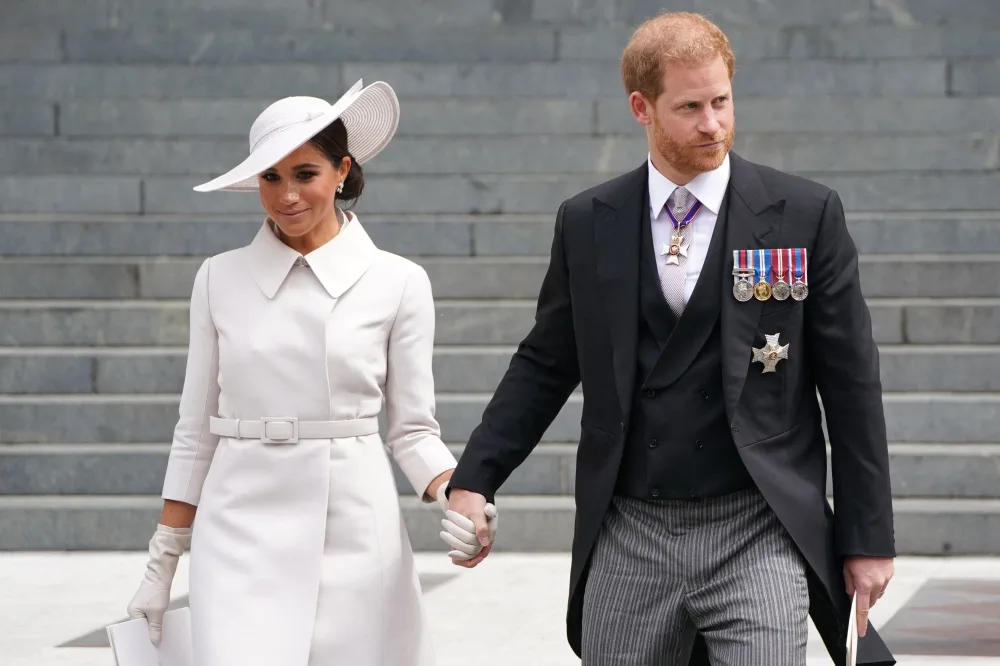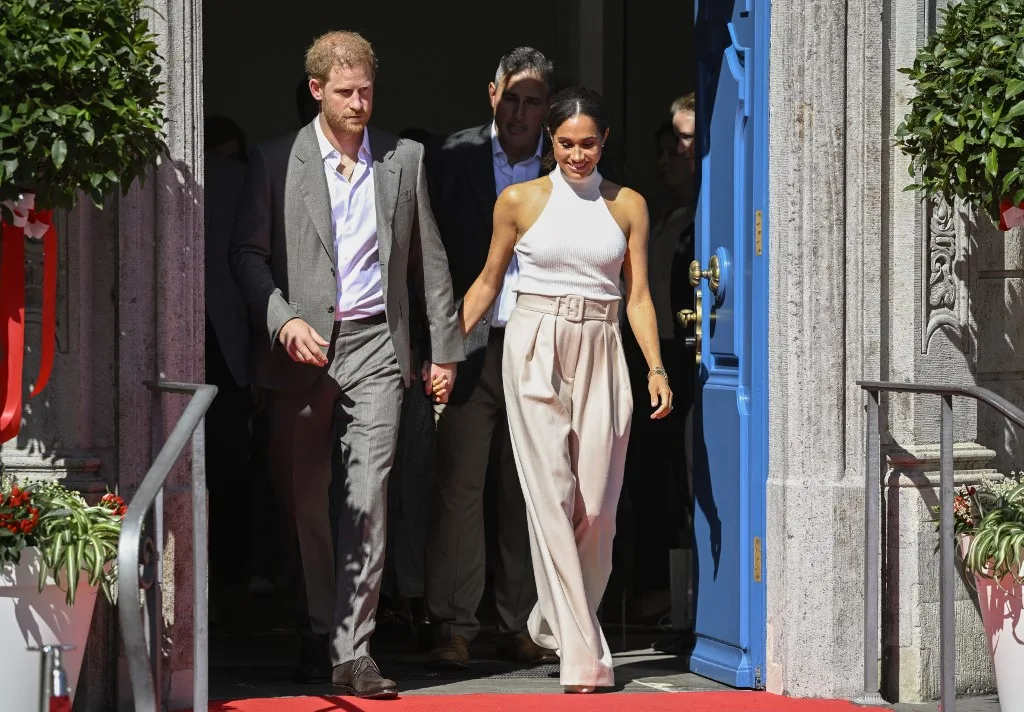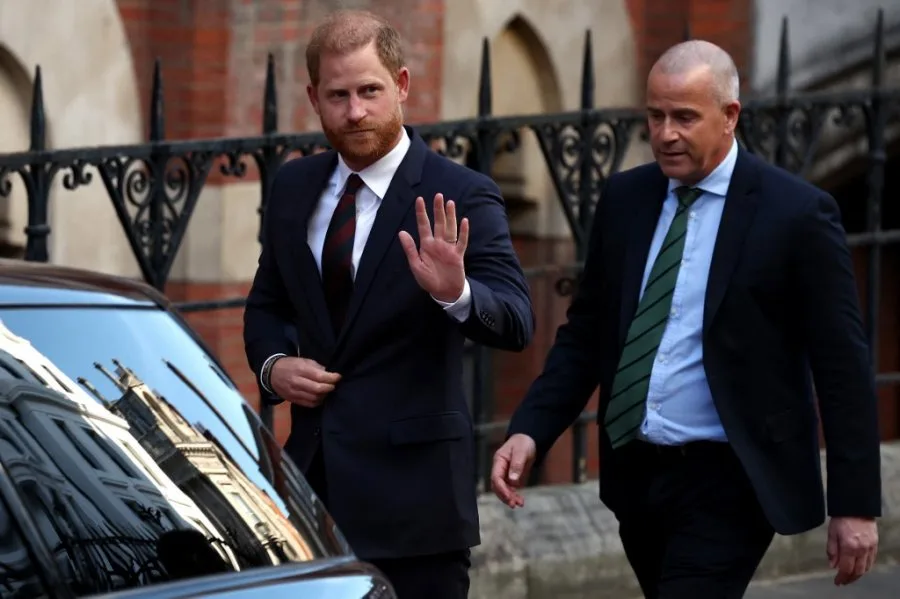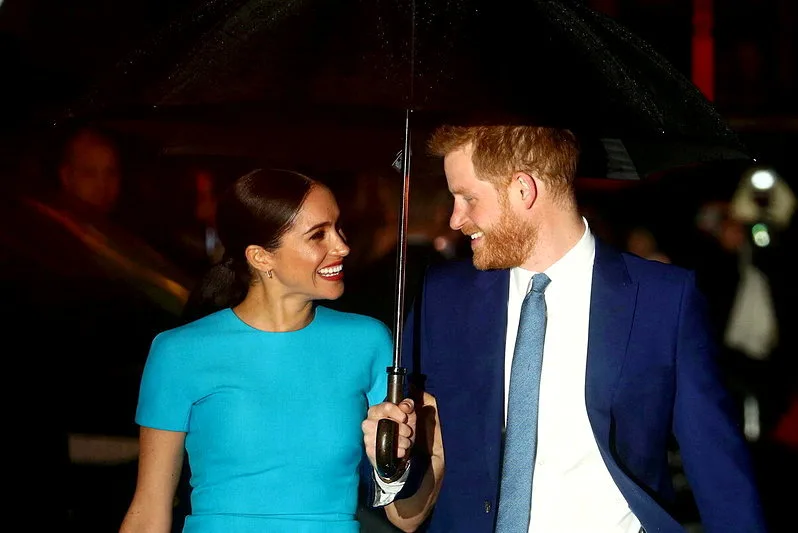
Prince Harry, Meghan, and their two children relocated to the Cotswolds region of England in late August 2026 after living in California since 2020 when they stepped back from royal duties [1, 2, 3, 4, 5]. Harry has requested the reinstatement of official police protection funded by UK taxpayers, a status that was downgraded by the Royal and VIP Executive Committee (RAVEC) following their departure from royal duties and move abroad [1, 2, 3, 4, 5]. When arriving at Birmingham Airport on August 26, the family used private security rather than police officers [3, 4].
Harry and Meghan lost court battles to retain taxpayer-funded UK police protection while residing in the US, where private security was self-funded [1, 2, 4, 5]. Harry argues that only official police protection can adequately handle the threats he faces, as private security firms in the UK cannot carry firearms [1, 2, 4, 5]. He cited threats including international terrorism and far-right hostility linked to his marriage to Meghan [1, 2, 3, 4, 5]. "Harry claims the threats are so great that only official police can deal with them. He believes he should get that protection," said royal expert Simon Morgan [1].
The family's registration of their children at local private schools raised concerns about security vulnerabilities. Expert Scott Hamer noted that predictable school drop-off and pick-up times increase risks. "The vulnerability aspect needs to be assessed. The fact that he'll have to take his kids to school at the same time each day, and pick them up at the same time each day, now makes him quite vulnerable," Hamer said [1, 3].
Public opinion is largely against full taxpayer funding of the family’s security. A recent poll found just 6% back public funding, while 63% believe Harry and Meghan should pay themselves [1, 2, 4, 5]. Royal experts also question why Harry cannot self-fund security in the UK given the perceived lower risks compared to the US. "He paid for security himself in the US. I don't see why he can't do that here. It's not that dangerous in the UK," said expert Andrew Lownie [2].
Harry’s 2023 memoir revealed his service in Afghanistan, which some say increases his risk profile [4]. Harry described his 2025 appeal against RAVEC's security downgrade as an "Establishment stitch-up" [3, 4]. His lawyers contacted the UK Home Secretary in August 2026 requesting intervention due to a lack of confidence in RAVEC’s impartiality [4].
The debate intensified on September 6 as media reports emerged around whether UK taxpayers should cover the cost of protecting Harry’s family after their return [1, 2, 3, 4, 5]. The family continues to live in the Cotswolds while discussions over official security funding remain ongoing.