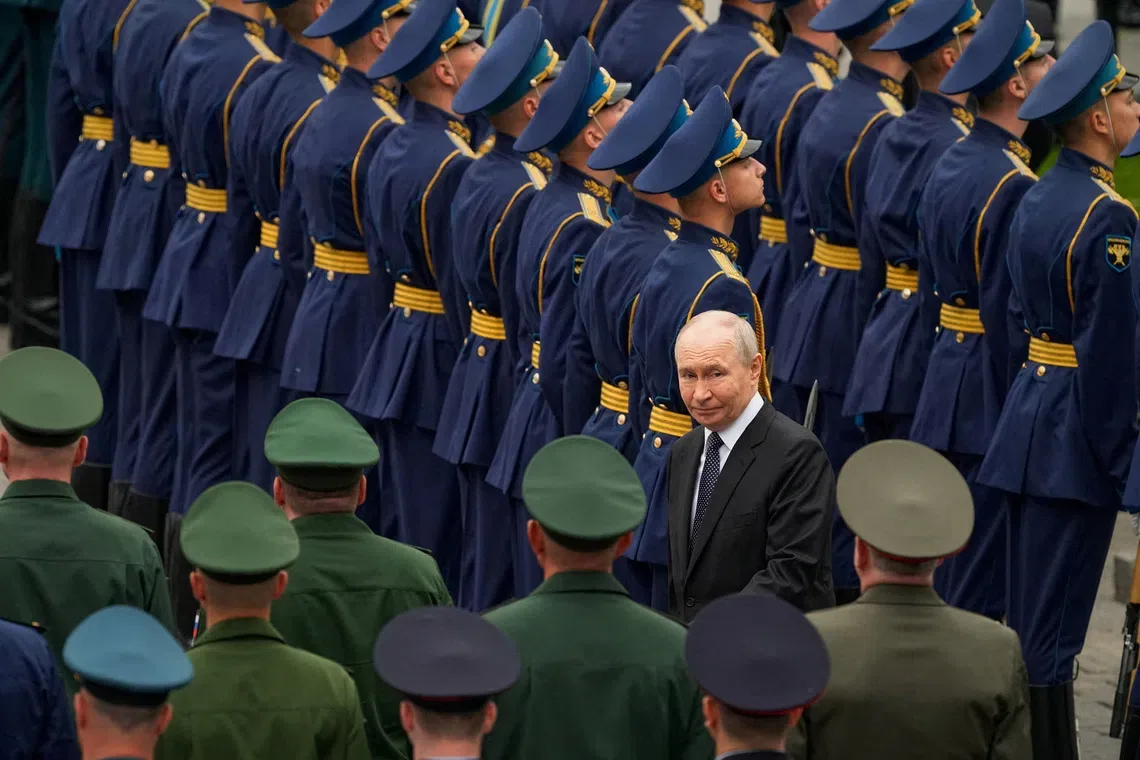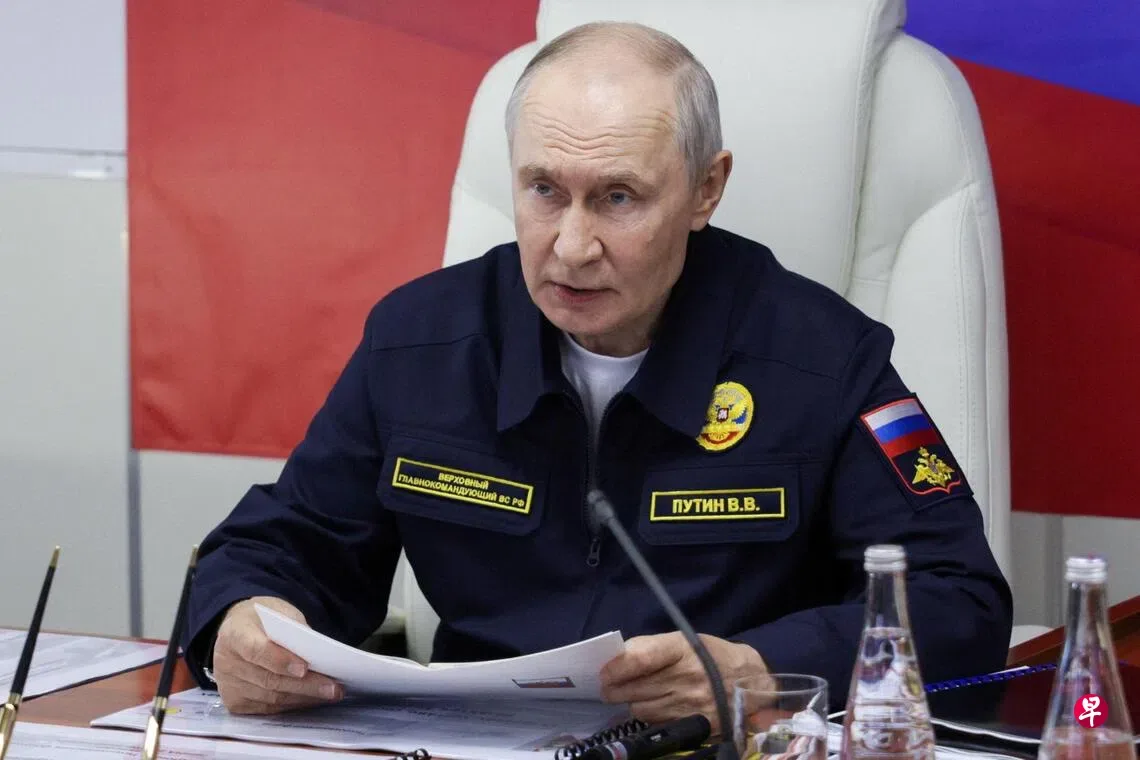
Russian President Vladimir Putin threatened on August 12 to respond in kind if European countries seize Russian commercial vessels connected to the so-called shadow fleet used to evade sanctions on oil exports. He described Western seizures as "piracy and banditry" and said retaliation could occur anywhere Russia chooses, not only in waters where seizures happen [1, 2, 3, 4, 5, 6, 7, 8, 9, 10, 11].
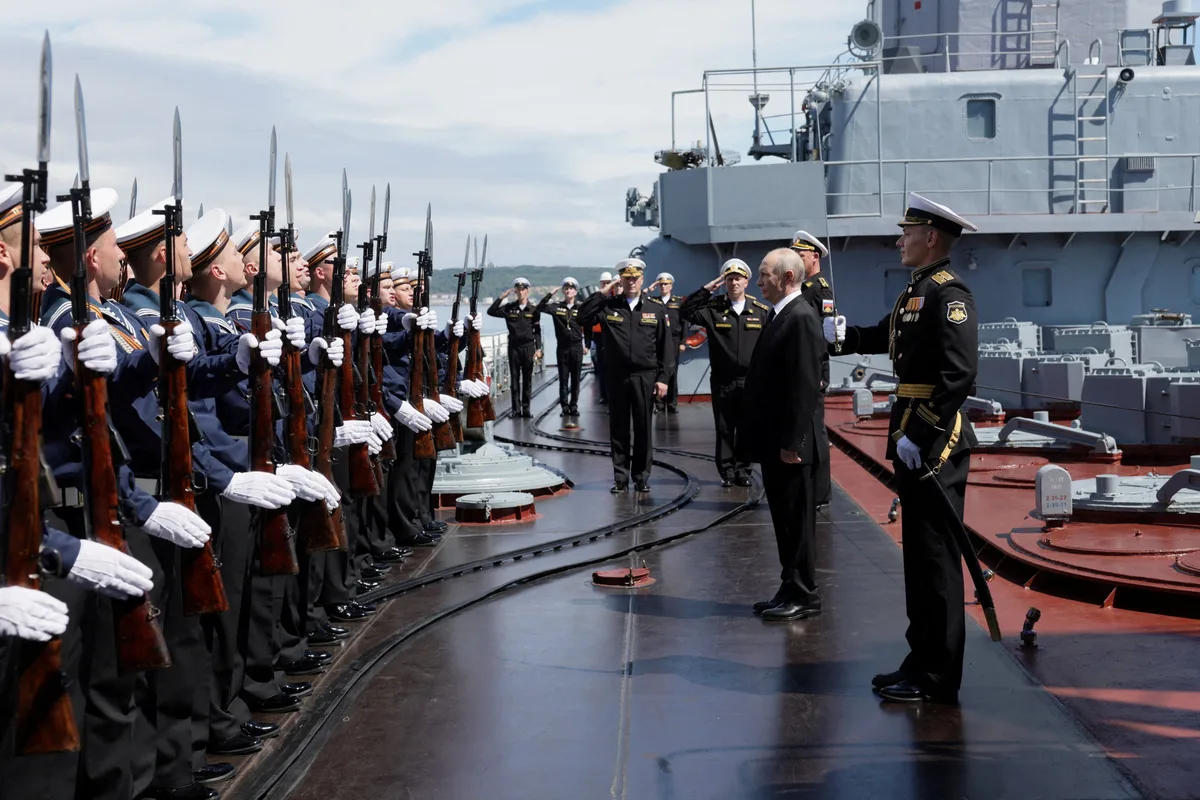
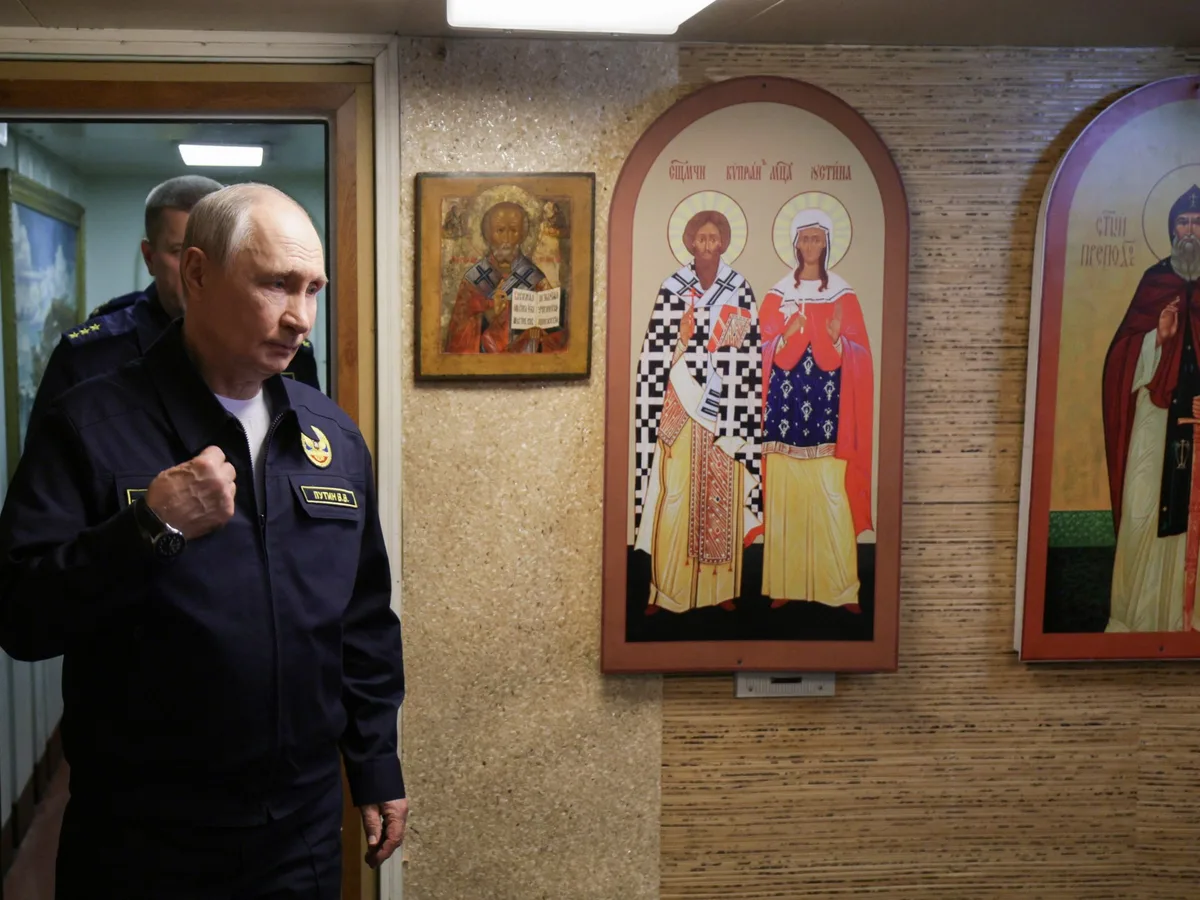
Putin made the comments while inspecting Russian naval exercises near Sakhalin Island in the Far East. He accused NATO of expanding military presence in the Asia-Pacific and increasing tensions in the Arctic region [2, 3, 5, 7].
The shadow fleet consists of more than 700 vessels that carry an estimated 75% of Russia’s sanctioned oil exports. Russia uses these ships to bypass international restrictions that aim to cut Moscow’s revenue streams amid its war in Ukraine [1, 4, 5, 11].
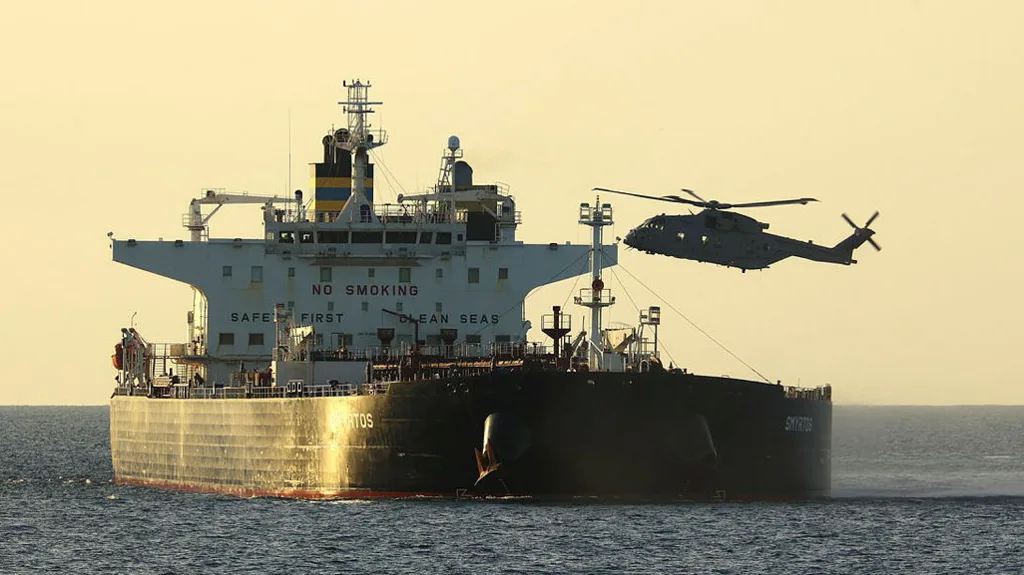
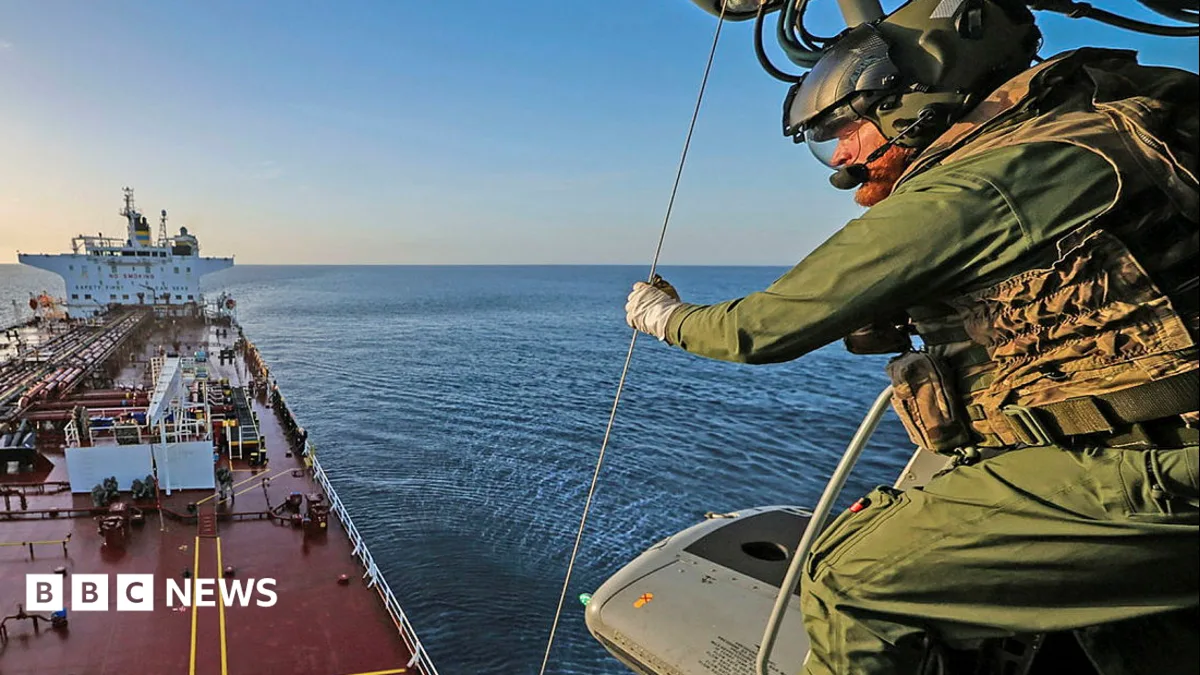
The UK seized the Russian-sanctioned tanker Smyrtos in the English Channel in June, marking a rare targeted interception. Since then, European countries including the UK and Italy have boarded and detained multiple vessels suspected of sanctions evasion linked to Russia’s shadow fleet [1, 5, 11].
Last month, the European Union passed new sanctions allowing member states to sell seized Russian oil and cargo from shadow fleet ships. Russia views these measures as illegal and accuses the EU of overstepping international law by sanctioning and selling seized cargo [5, 6, 12, 8, 9, 10].
Russian Pacific Fleet Commander Viktor Liina said the navy is prepared to inspect and detain vessels from "unfriendly countries” and their shadow fleets. Liina said his fleet conducted detailed analyses of Asia-Pacific maritime routes, cargo, and ownership. "We have the capacity to inspect and detain vessels of unfriendly states and their shadow fleets, and interagency cooperation is in place, ready to begin addressing these challenges," he stated [1, 3, 4, 6, 8, 11].
Foreign Minister Sergey Lavrov echoed Putin’s stance, saying Russia will independently select targets for retaliation and may act against ships from countries seizing Russian vessels [12].
A Swedish court recently ordered a seized Russian vessel to be transferred to Kyiv for suspicions of exporting grain from occupied Ukrainian territory [6, 8, 9, 10].
Russia’s economy showed modest growth of 1.3% year-on-year in the second quarter of 2026 despite high borrowing costs and Western sanctions. Oil export revenue remains vital to Russia’s economy and war effort [1, 5, 9, 11].
The next key event is continued monitoring of maritime actions amid tensions, following the August 12 naval exercises where Putin issued his warning. European forces will likely maintain enforcement of sanctions through seizures and inspections in coming months.