A record-breaking heatwave swept across much of Europe, including Ukraine, causing soaring temperatures, damaging infrastructure, and overwhelming healthcare systems [1, 2]. The Ukrainian national meteorological center warned of "scorching hot weather" with temperatures expected to reach 35-38°C nationwide [2].
In southeastern Ukraine's Zaporizhzhia region, temperatures hovered around 30°C over the weekend and were forecast to climb to about 36°C by June 30 or July 1 [1, 2]. The heatwave has placed heavy strain on Ukraine's already war-damaged power grid, forcing power companies to announce planned temporary cuts in at least five regions starting June 30 or July 1 to manage demand [1, 2].
Russian missile and drone attacks since 2022 have severely damaged most of Ukraine's power infrastructure, causing multi-billion dollar losses and making the grid vulnerable to blackouts during extreme weather [2]. YASNO General Director Kovalenko said, "For equipment already operating under wartime conditions for over 4 years and having endured countless attacks, high temperatures are also a severe test. This is why in the coming days, the power system will be under high tension" [2].
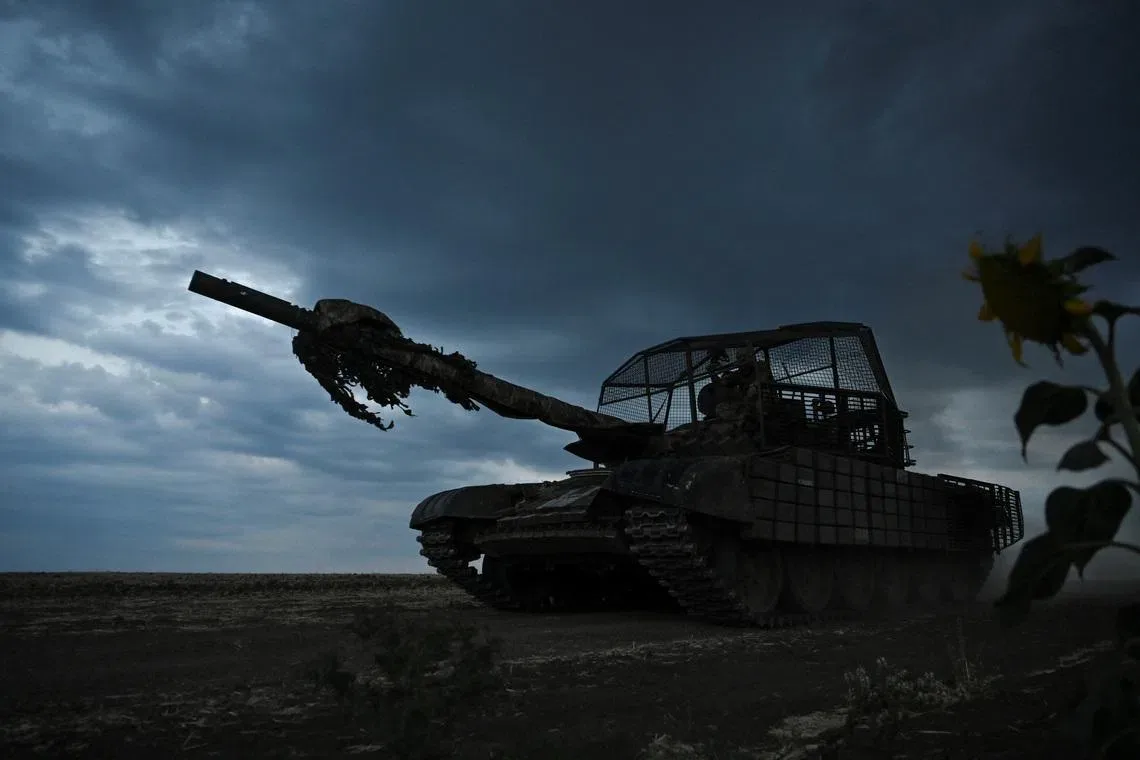
The heatwave has also challenged Ukrainian soldiers, particularly those in Soviet-era T-72 tanks weighing 41 to 45 tons, which lack air conditioning and become extremely hot inside [1]. Chief Sergeant "Sympatiaha" of the 65th Separate Mechanized Brigade said, "The vehicle gets very hot after completing its mission. The temperature inside can become really hot. Unlike the Abrams, Challenger and Leopard tanks (supplied by) Western partners, this has no air conditioning" [1]. Despite the punishing conditions, he added, "Despite the harsh weather conditions - scorching heat now, freezing temperatures and mud in winter - we're still holding the line. We're continuing to fight the Russian forces, preventing them from advancing and trying to push them out of here" [1].
The World Health Organization reports that over 1,300 people across Europe have died due to abnormal heat since June 21, 2026 [2].
Ukraine prepared for a "drastic" rise in temperature and increased stress on the power grid on June 29 [2]. Temperatures around 30°C in Zaporizhzhia on June 30 with forecasts rising to 36°C by July 1 created harsh conditions for soldiers inside tanks and civilian populations [1]. From June 30 to July 1, at least five Ukrainian regions implemented temporary power cuts to ease the grid load [2].