Spanish police dismantled a major transnational criminal network smuggling migrants and synthetic drugs like MDMA in the Mediterranean, authorities announced on August 7, 2026 [1, 2, 3]. The operation targeted one of the largest active smuggling groups operating routes primarily from Algeria to Spain’s southeastern coast and Ibiza.
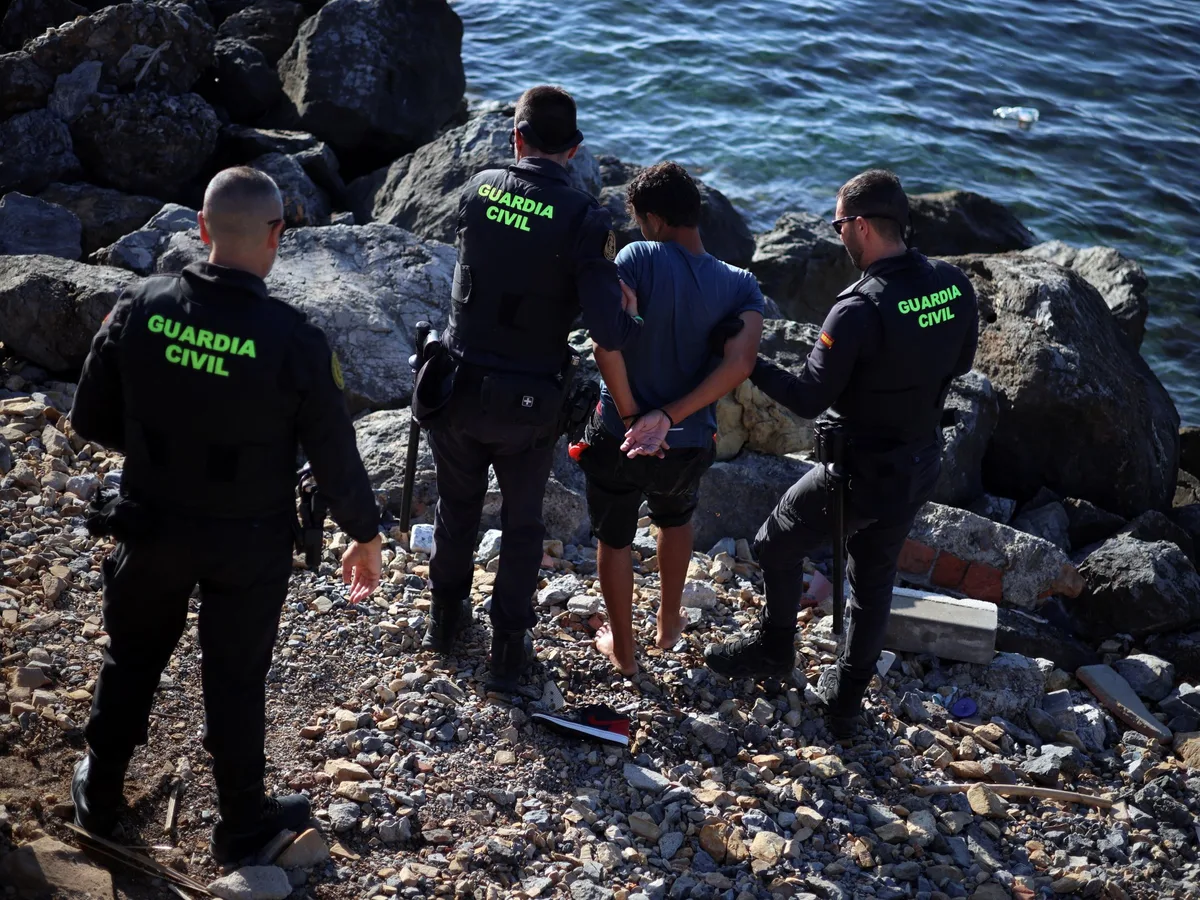
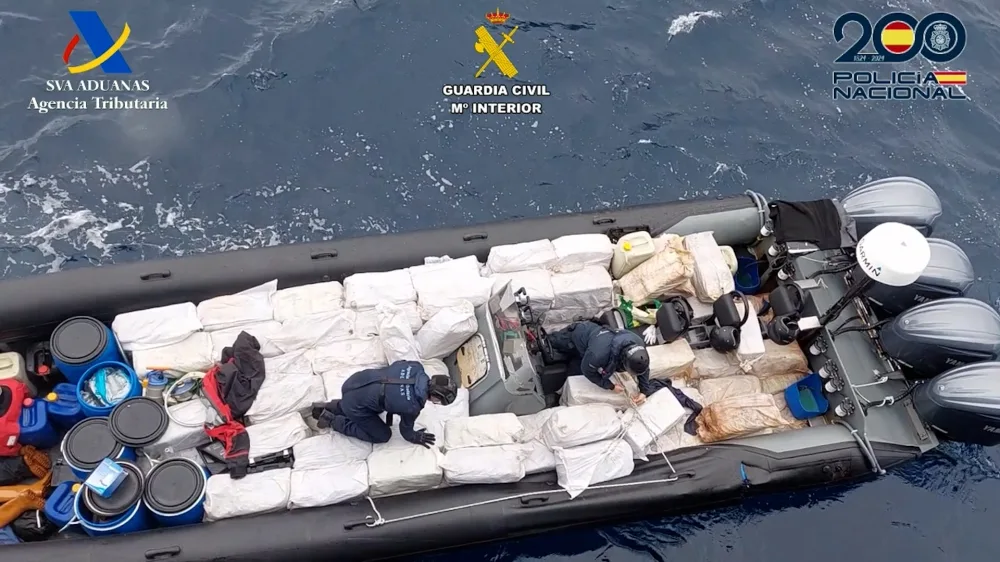
The crackdown was led by Spain’s Civil Guard and National Police, cooperating with Europol and law enforcement from France, Portugal, and Poland [1, 2, 3]. At least 78 individuals were arrested, including 77 in Spain and one in Algeria. Authorities also seized 18 high-speed boats used for smuggling [1, 2, 3].
Investigations revealed the network had conducted at least 64 migrant-smuggling operations, transporting over 2,000 migrants. Migrants paid up to €12,000 per crossing, generating over €24 million (around $27–28 million) in profits. Boats often carried up to 50 people in extremely hazardous conditions, including overcrowding, rough seas, no lights or life jackets, and sometimes occupants were tied down to prevent falling overboard, the Civil Guard said [1, 2, 3].
The group also trafficked synthetic drugs southward from Spain to Algeria, where demand for substances like MDMA is high [1, 2, 3]. Most arrested were Algerian nationals linked to criminal groups in France, Belgium, Portugal, Italy, and Poland, including three high-value targets. Searches took place in at least 17 locations across Spain, including Alicante, Almeria, Cartagena, and Murcia [2].
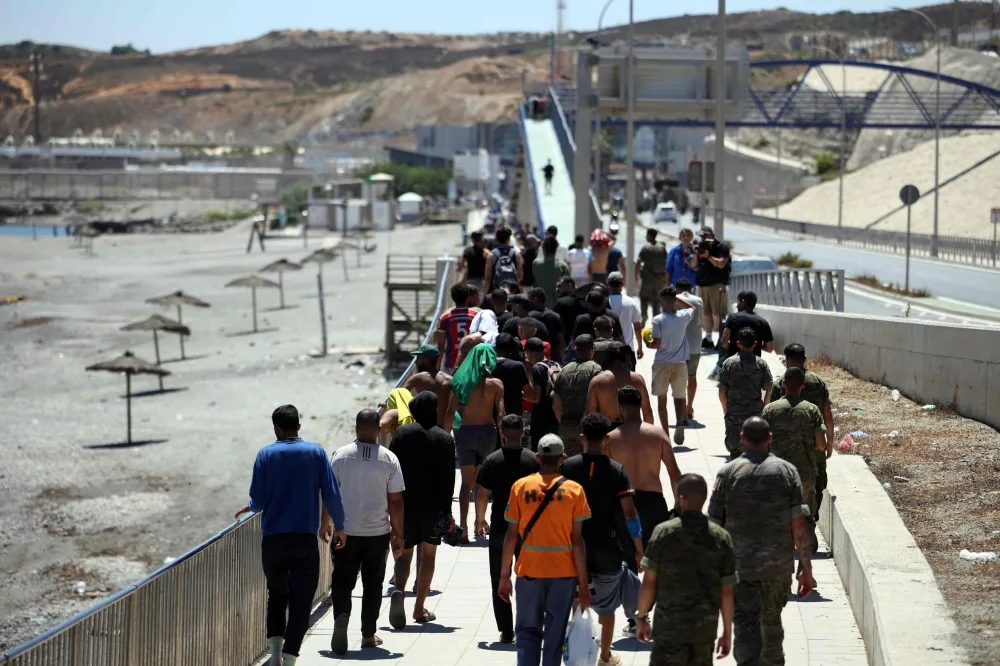
The operation began in 2023, culminating in a coordinated law enforcement action on June 16, 2026, leading to arrests and vessel seizures [2]. Authorities announced the results amid heightened migration pressure following a mass migrant surge into Spain’s Ceuta enclave in late July 2026. Approximately 72,000 people crossed from Morocco into Ceuta within days, a surge fueled by disinformation on social media about open borders. Marcelino Madrigal, a social media and security expert, said, "There was evidence that this was going to happen" [4]. Authorities recovered 78 migrant bodies on the Spanish side and Morocco reported 11 deaths during the Ceuta crossing [4].
Irregular migration to mainland Spain and the Balearic Islands has risen by 22% and 10% respectively in early 2026, as smugglers shifted routes via Algeria despite an overall 31% drop due to fewer arrivals in the Canary Islands [1, 3].
Spain’s Civil Guard said the network was "one of the most complex, active and dangerous transnational criminal networks detected to date in the Mediterranean," emphasizing the scale and danger of the smuggling operations [1].
The authorities continue investigations and monitoring to prevent renewed activity from the dismantled network and related groups operating in the region.