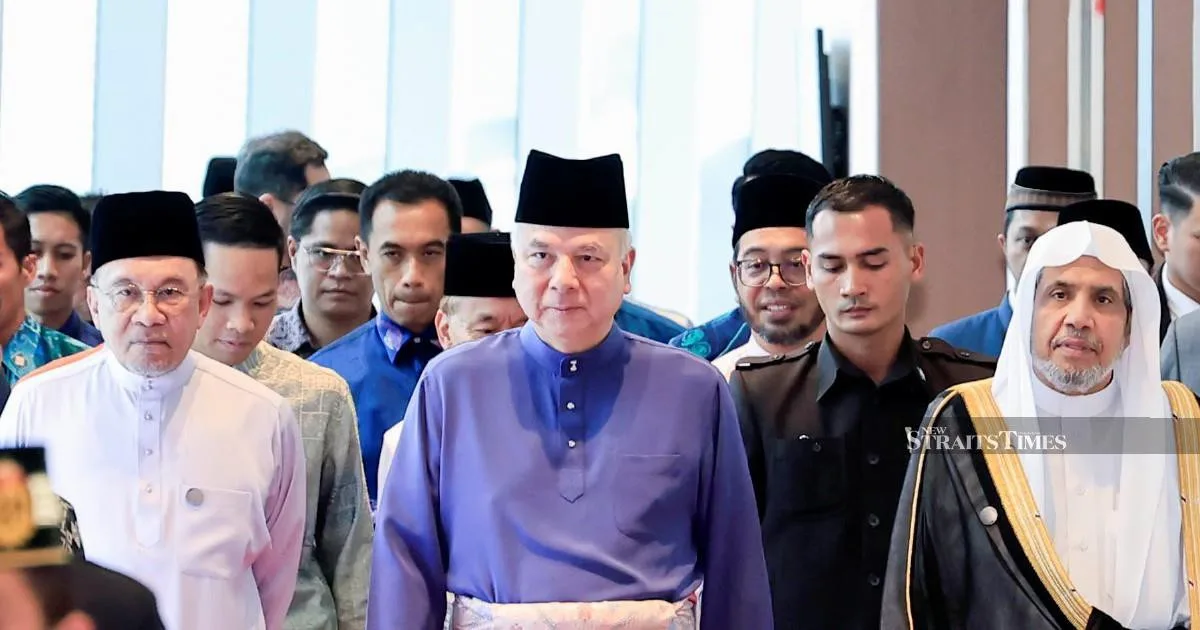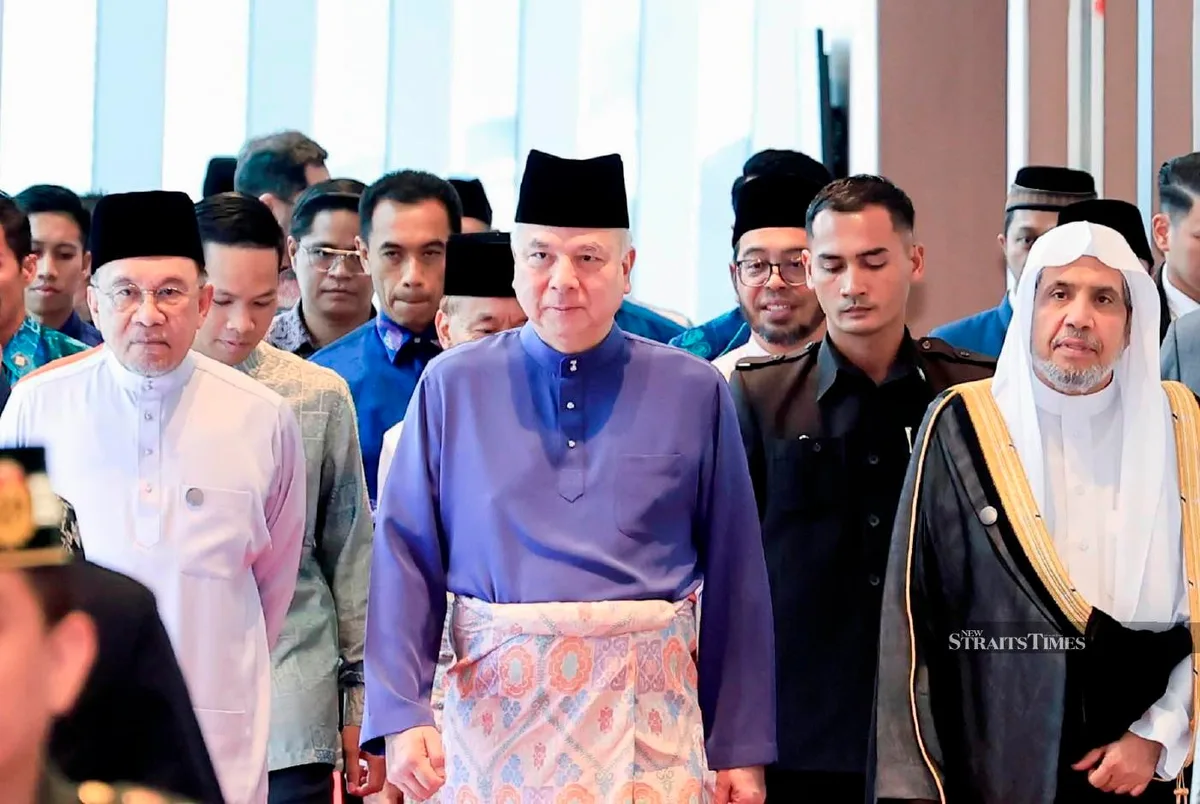
Sultan Nazrin Muizzuddin Shah delivered a keynote address in Kuala Lumpur in June 2026 highlighting the threat posed by AI-generated disinformation to Malaysia's youth. He said such disinformation "dressed up in the vocabulary of grievance, now reaches hundreds of millions of young people at a scale and speed no sermon ever could" [1].
The Sultan explained that extremist narratives exploit digital platforms for profit, using religious language to quickly reach young people. "That voice is not a scholar. It is not an imam, a priest, a rabbi or a monk. It is an algorithm," he said, emphasizing how these algorithms, not religious teachers, shape youth attitudes online toward division and anger [1].
He observed extremists and religious teachers compete for young hearts with the same sacred vocabulary, distorting faith to fuel anger and division [1, 2]. Traditional sermons are often seen as remote by youth who mainly engage through smartphones. "If all we offer in return is a sermon young people find remote, in a language they have stopped speaking, delivered inside a building they have stopped entering, then we have come armed with a manuscript to a contest being fought on iPhones," Sultan Nazrin said [1].
The Sultan urged religious leadership to remain rooted in tradition while also being responsive and relevant to young people's realities [1, 2]. He called on youth not to let "the dignity of your faith depend on diminishing the dignity of another" [3]. He urged young people to see diversity as divine wisdom and compete in doing good, rather than diminishing others [3].
He also called for religious leaders to create spaces for young people of different faiths to meet as fellow humans and to equip them to speak truthfully and listen generously [3]. The Sultan stressed that coexistence and harmony require courage and ongoing effort and that the relationship between wisdom and youth is crucial to faith's future [3].
He said many youths today, despite being more connected, are isolated and vulnerable to misinformation, cynicism, and ideological distortion [2]. Extremists exploit young people’s emotional vulnerabilities around identity, belonging, and purpose [2]. He noted society often discusses youth issues but fails to truly listen or involve young people meaningfully in decisions [2].
Sultan Nazrin invoked Prophet Muhammad’s teaching on planting a sapling even if the Final Hour is near to symbolize hope and future investment [3]. He said youth should be offered hope and meaningful roles, not just sermons about division [3, 2].
The June 2026 summit brought together religious leaders internationally to address these issues and called for interfaith harmony and youth engagement as urgent priorities [1, 3, 2].