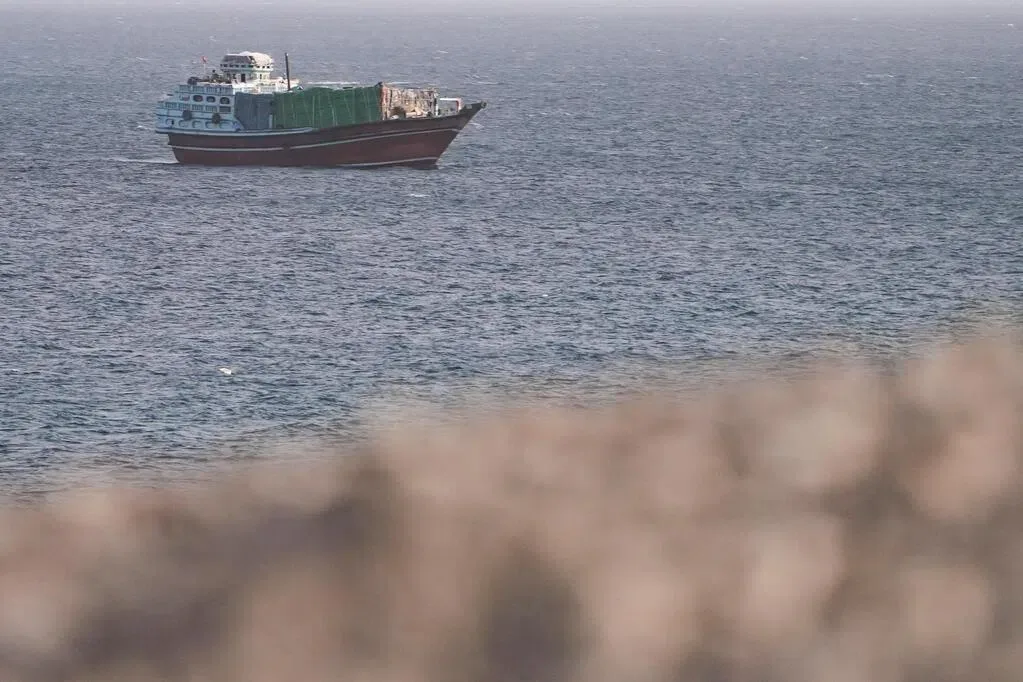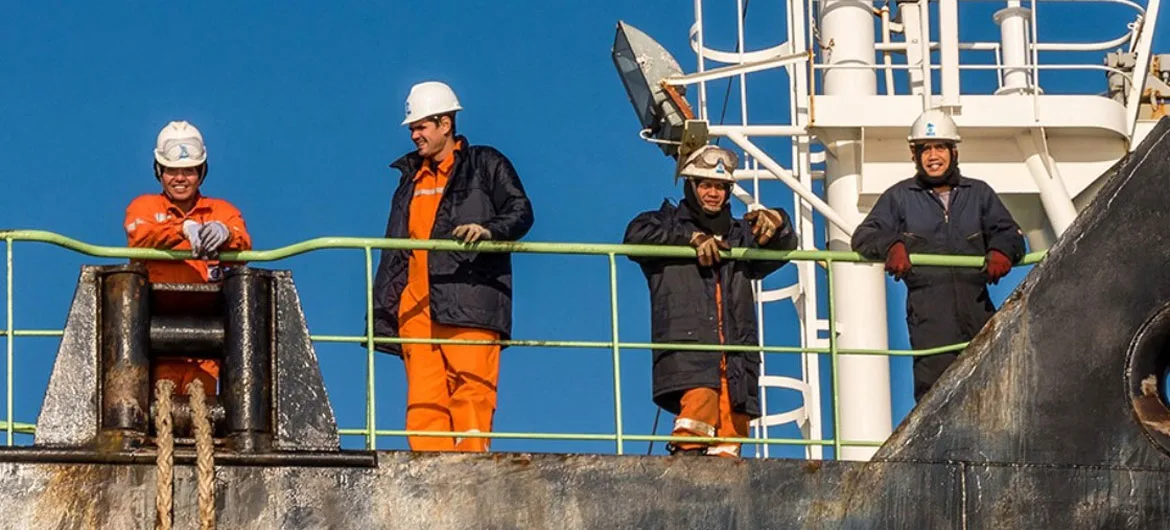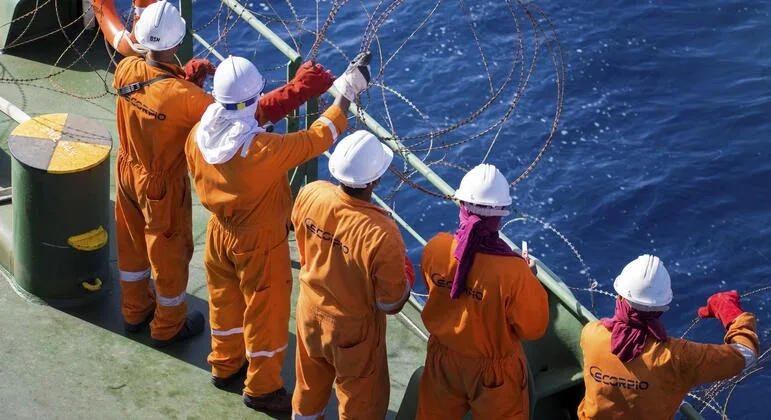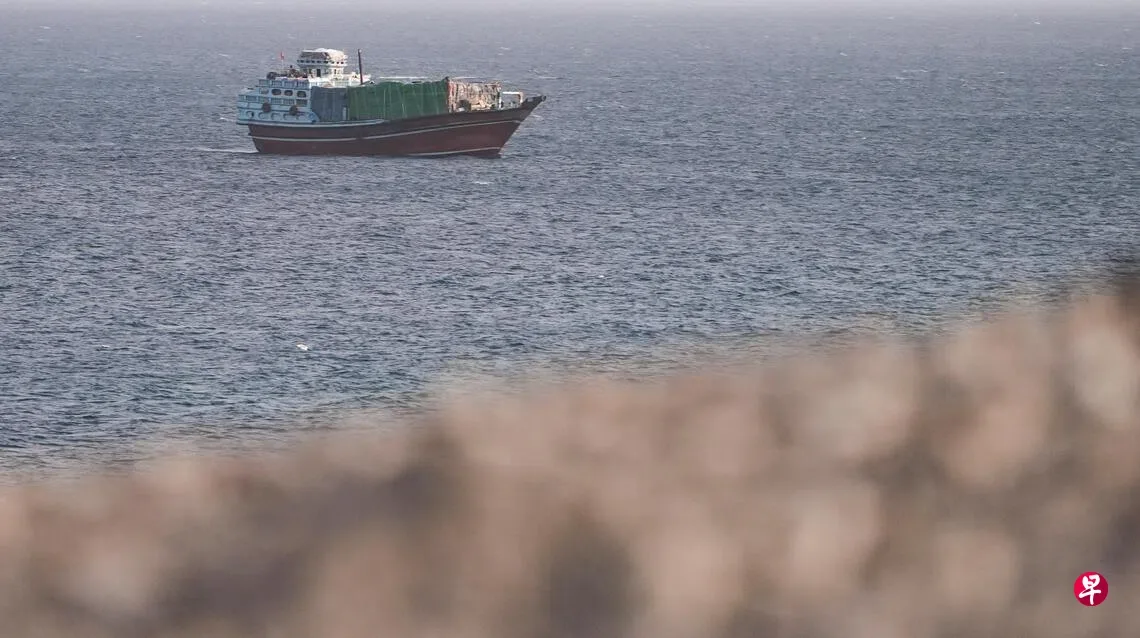
Approximately 6,000 seafarers remain trapped aboard around 400 vessels in the Strait of Hormuz, unable to leave despite a ceasefire in the area, the United Nations reported on July 24 [1, 2, 3, 4, 5, 6, 7]. UN Human Rights Chief Volker Turk and spokesperson Shabia Mantoo urged swift international intervention to facilitate evacuation, repatriation, and protection for those stranded. Turk warned, "A crisis triggers a new crisis, an escalation triggers a new escalation. The political objectives are increasingly covered by confrontation itself. It is time to step back" [1]. Mantoo added, "Parties to the conflict should urgently work to facilitate safe passage for stranded seafarers to safely evacuate and disembark, as well as ensure the delivery of critical supplies" [5].
Since the conflict re-escalated between July 12-13 with hostile actions in the Strait of Hormuz, attacks on civilian ships have continued, causing at least 17 seafarers to die [2, 3, 6, 7]. The United Nations noted these attacks violate international humanitarian law which protects civilian vessels. Mantoo strongly condemned the attacks, saying, "Attacks against civilian vessels are unacceptable and must stop. They are protected under international humanitarian law" [5]. The International Maritime Organization expressed concern that seafarers are untrained for warfare and vessels lack defense against missile and drone strikes [1].
Adding to the humanitarian crisis, some shipowners have abandoned their crews at sea. At least nine ships with 93 crew members have been left without assistance, repatriation, or wages, the UN said [2, 3, 6, 7]. Mantoo confirmed, "We are aware of at least nine ships, with 93 crew members, abandoned by their owners in the Strait of Hormuz since the start of the war" [7].
The United States launched fresh air strikes on Iran on July 24 following missile attacks by Tehran-backed Houthi rebels on oil tankers in the Red Sea. This escalation raised global oil prices above $100 per barrel [5, 6]. Despite the conflict, the U.S. military says the Strait of Hormuz remains open for transit [5, 6].
The UN also raised concerns about attacks on civilian vessels and seafarers in other conflict zones including the Black Sea and Sea of Azov [2, 7]. The Manila Declaration (2025) was cited by the UN as a key framework emphasizing seafarers' rights, dignity, safety, and welfare, including the right to refuse high-risk assignments [2].
ASEAN foreign ministers meeting on July 23 in Manila called for freedom of navigation in the Strait of Hormuz amid the US-Iran conflict [8]. On July 24, UN leaders called again for an end to attacks and immediate aid to stranded crews. The situation remains dangerous with repeated strikes and counterstrikes between the US and Iran, UN Secretary-General António Guterres warned [1, 6].