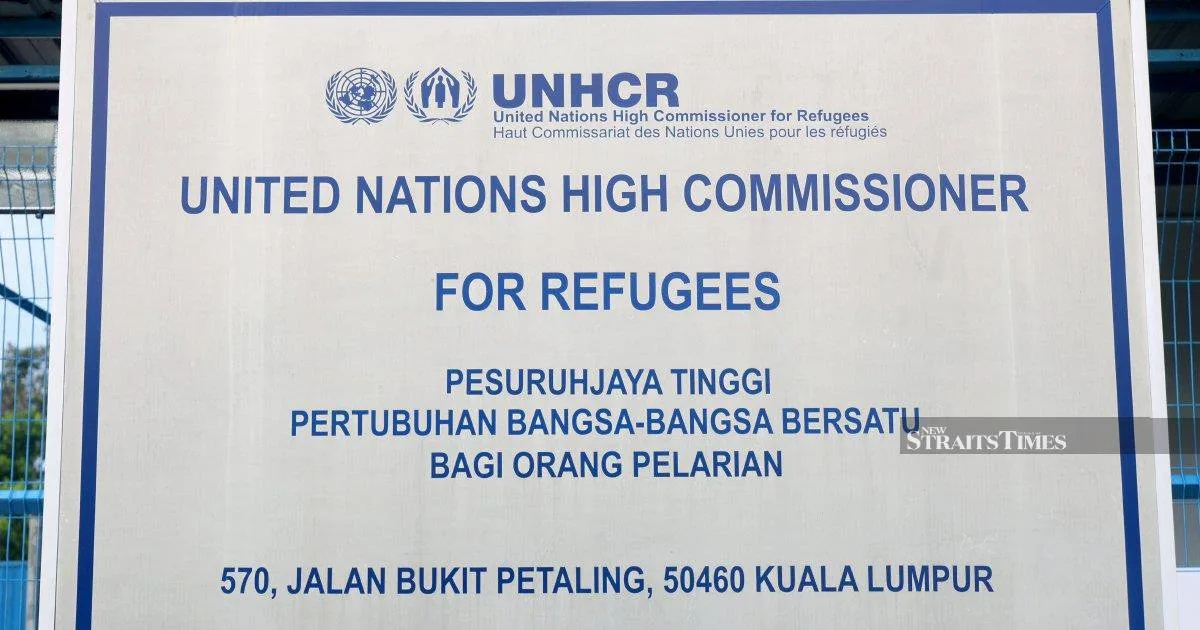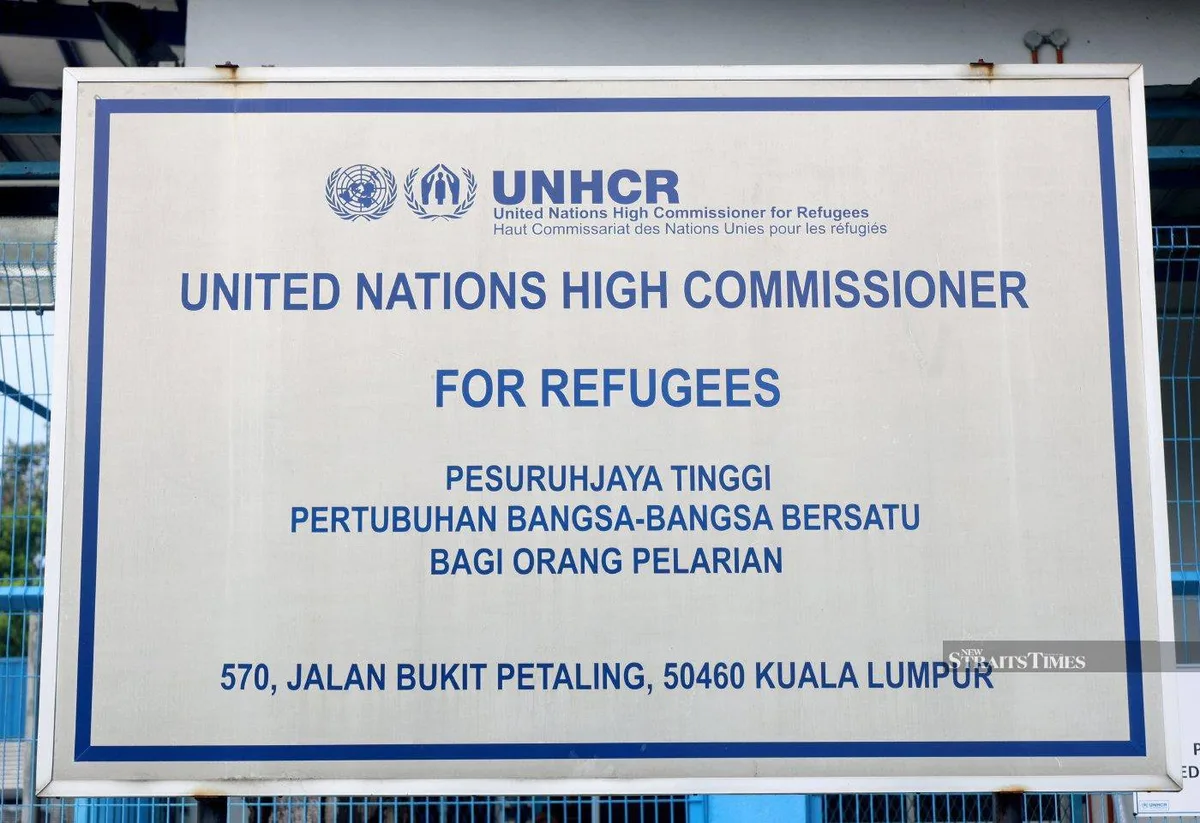
A group of 113 immigrants, including 110 Rohingya refugees, arrived in Kuala Lumpur on three buses on July 27, 2026, after being evicted from a settlement in Penang [1, 2, 3, 4]. The refugees initially camped outside the UNHCR office, then were documented at Kuala Lumpur police headquarters. They were later relocated in stages to three different Malaysian states with support from NGOs and the UNHCR [1, 2, 3, 4].
Despite valid UNHCR cards, holders are considered illegal immigrants under Malaysian law but are exempt from prosecution for offenses related to overstaying and entering without valid travel documents, according to the Immigration Act 1959/63 [1, 2, 3, 4]. However, UNHCR cardholders remain subject to all other Malaysian laws [1, 2, 3, 4].
The Immigration Department urged the public not to take direct action against foreigners. “JIM understands that this issue has generated various reactions and concerns among the public. It must be emphasised that any action involving foreign nationals should be left to the relevant authorities and carried out in accordance with the law,” the department said [2]. They also encouraged reporting suspected violations by foreigners so legal action can be taken appropriately [1, 2, 3, 4].
The arrival of these refugees comes amid ongoing challenges in managing displaced populations and immigration enforcement in Malaysia. The government continues to rely on documentation and coordination with NGOs and international bodies to handle such cases [1, 2, 3, 4].
The relocated refugees remain under state oversight in the three Malaysian states, with authorities continuing to monitor immigration compliance and public order. The Immigration Department’s stance clarifies the legal status of UNHCR cardholders while delineating limits on prosecution.
Authorities have scheduled follow-ups to assess the situation of relocated refugees and ensure the enforcement of immigration laws consistent with existing exemptions and protections.