The Malaysian government, through the Ministry of Communications, is aiming to achieve complete internet access in all populated areas nationwide by 2027 under the National Digital Network (JENDELA) plan [1, 2, 3]. As of December 31, 2025, broadband coverage in these areas had reached 99.71%, up from about 90% before JENDELA was launched [1, 2, 3].
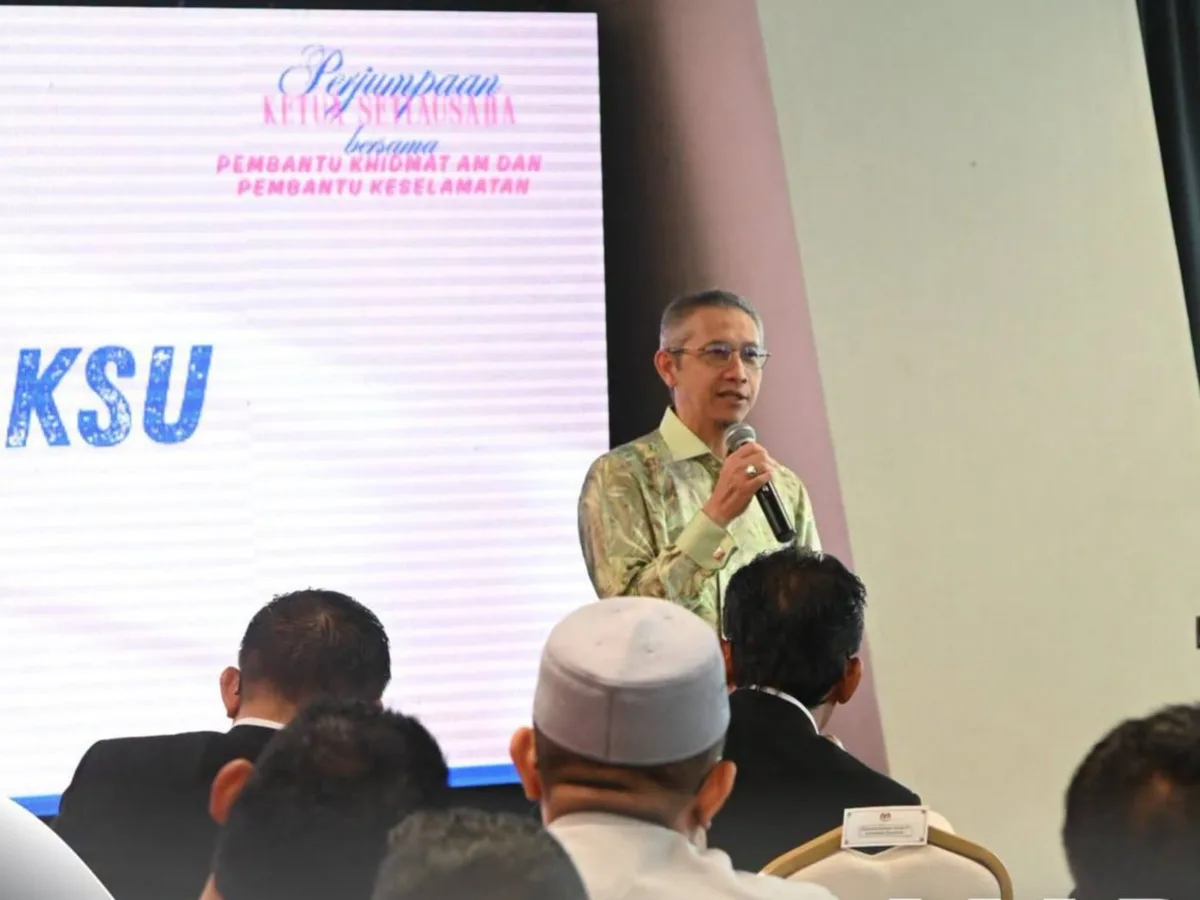
Efforts focus on expanding 4G coverage and strengthening 5G networks, including in rural regions. Datuk Abdul Halim Hamzah of the Ministry said, "We, the ministry and MCMC, will continue to expand access to 4G and strengthen 5G, including in rural areas, which is being implemented through cooperation and infrastructure sharing between telecommunications companies" [2].
The government views improved internet access as a driver for growth in education, the economy, and rural development [1, 2, 3]. The JENDELA program aims to address gaps in connectivity that had previously limited service quality and reach.
Alongside network expansion, the government is expanding the JAGO programme, which deploys multi-function vehicles to disseminate government information and policies nationwide. Currently, 4 JAGO vehicles operate, with plans to expand this fleet to 16 – targeting at least one vehicle per state [1, 2, 3].
This rollout continues a former initiative known as "wayang pacak," aiming to bridge information gaps in more remote areas.
The government reaffirmed its 2027 timeline for achieving 100% internet coverage in populated zones on July 4, 2026 [2, 3]. The progress so far suggests it is on track to meet that goal.
Meanwhile, other regional developments this year include changes in transportation and tourism. On July 1, ferry services between Kudat and Pulau Banggi were reduced from two return trips to one daily trip [4]. Sabah has also seen a sharp rise in Chinese tourists fueled by increased Shanghai-Kota Kinabalu flights, with Sabah Tourism Minister Jafry Ariffin noting the growth reflects confidence in Sabah as a preferred destination [5].
Malaysia remains the largest source of foreign tourists to Indonesia, accounting for 21.58% of arrivals in May 2026, followed by Australia and Singapore, according to BPS Deputy Ateng Hartono [6]. On July 3, the government expressed optimism about attracting quality investments in Sabah and Sarawak through industrial parks and downstream industries [7].