Japan has 45 local governments currently imposing an accommodation tax, with 10 more expected to implement it by the end of this fiscal year, as tourism surges nationwide [1, 2]. The Tokyo metropolitan government led the way by introducing the nation’s first accommodation tax in 2002. Since 2017, the tax has spread more widely in response to an influx of foreign visitors [1, 2].
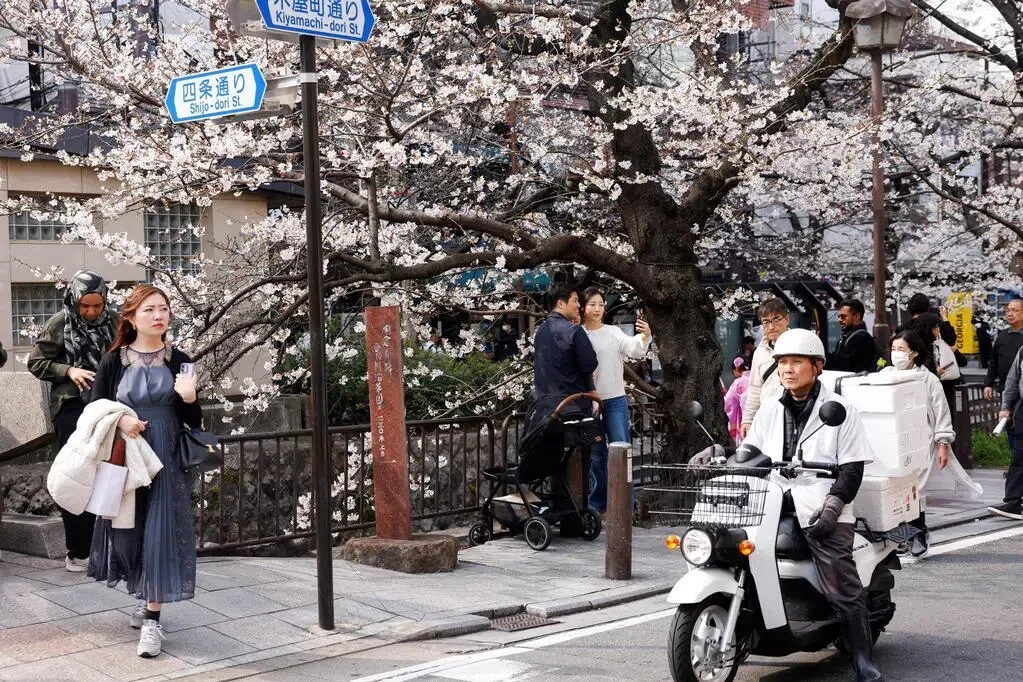
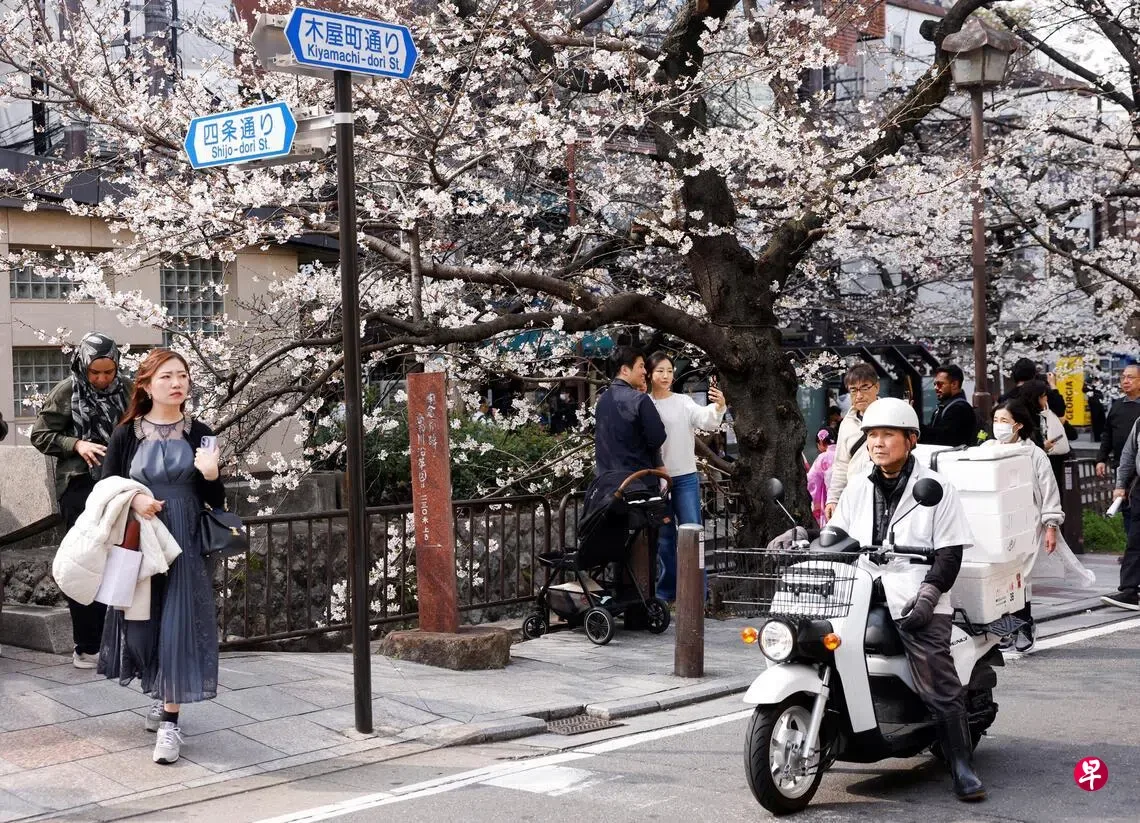
Some local governments have raised or expanded their accommodation taxes to generate funds for tourism management amid concerns about overtourism. In March 2026, Kyoto city raised its accommodation tax, increasing the number of room-rate brackets from three to five. The maximum tax per night rose tenfold to 10,000 yen for luxury stays costing 100,000 yen or more [1, 2].
In April 2026, Yugawara in Kanagawa Prefecture introduced an accommodation tax charging 300 yen per night for rooms under 50,000 yen and 500 yen for more expensive rooms. The tax exempts children of elementary school age and younger. Yugawara expects to collect approximately 186 million yen this fiscal year to fund local accommodation and shopping voucher programs. Tomonori Suzuki, head of Yugawara’s regional policy division, said, “With our population and tax revenues projected to decline, securing financial resources for tourism is essential to sustain ourselves as a tourism-oriented town” [1].
However, some hotel operators and local governments have voiced concerns that accommodation taxes could reduce guest numbers and add administrative burdens [2]. Reflecting such concerns, Akita city shelved plans to introduce an accommodation tax in March 2025, citing worries over potential drops in guests and unclear revenue use [2].
Tokyo plans to reform its accommodation tax starting in fiscal 2027 by shifting from a fixed fee per guest to a 3% levy based on room rates. This change is expected to more than double tax revenues [2]. Kanagawa University professor Aoki Muneaki noted that the central government should flexibly handle tax policies based on regional conditions [2].
Determining the appropriate tax objects and scope remains a complex challenge for local governments considering accommodation taxes [2].