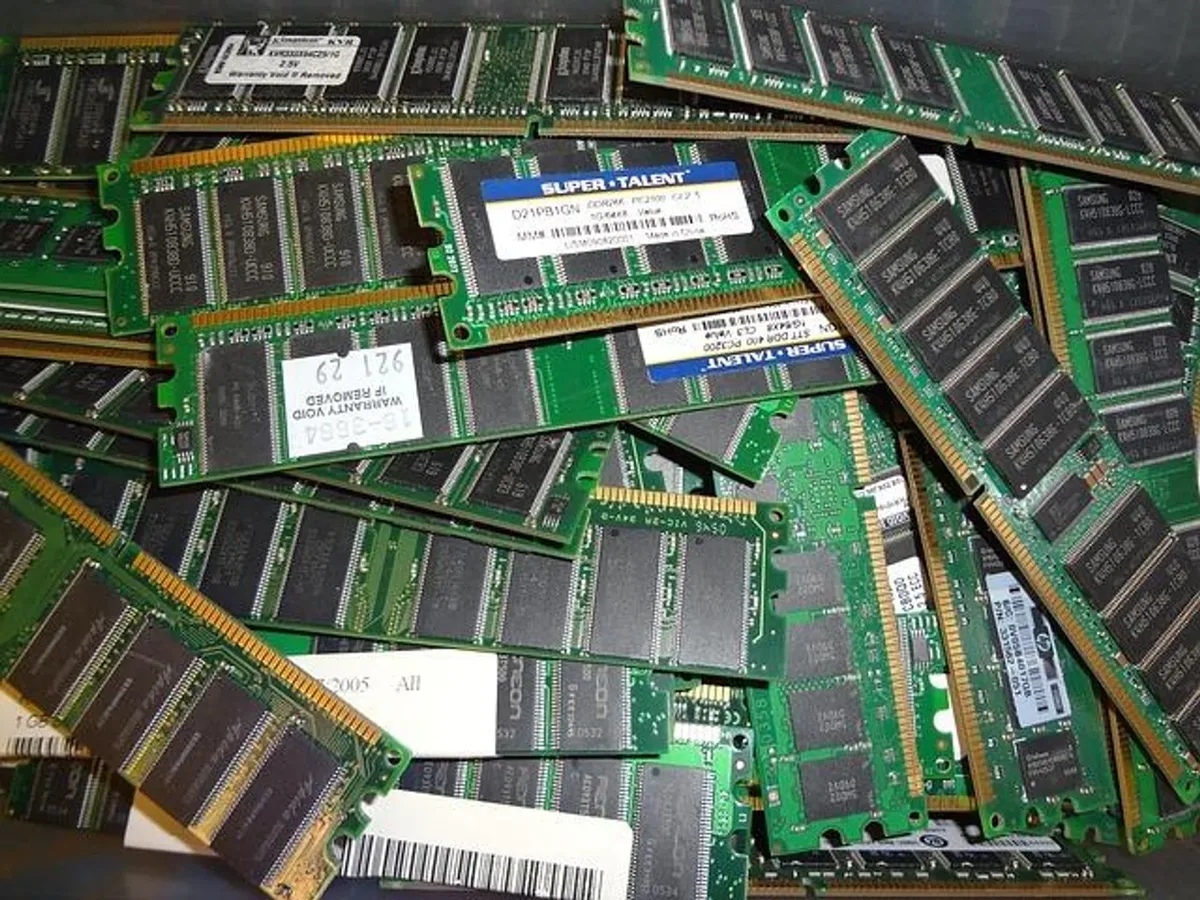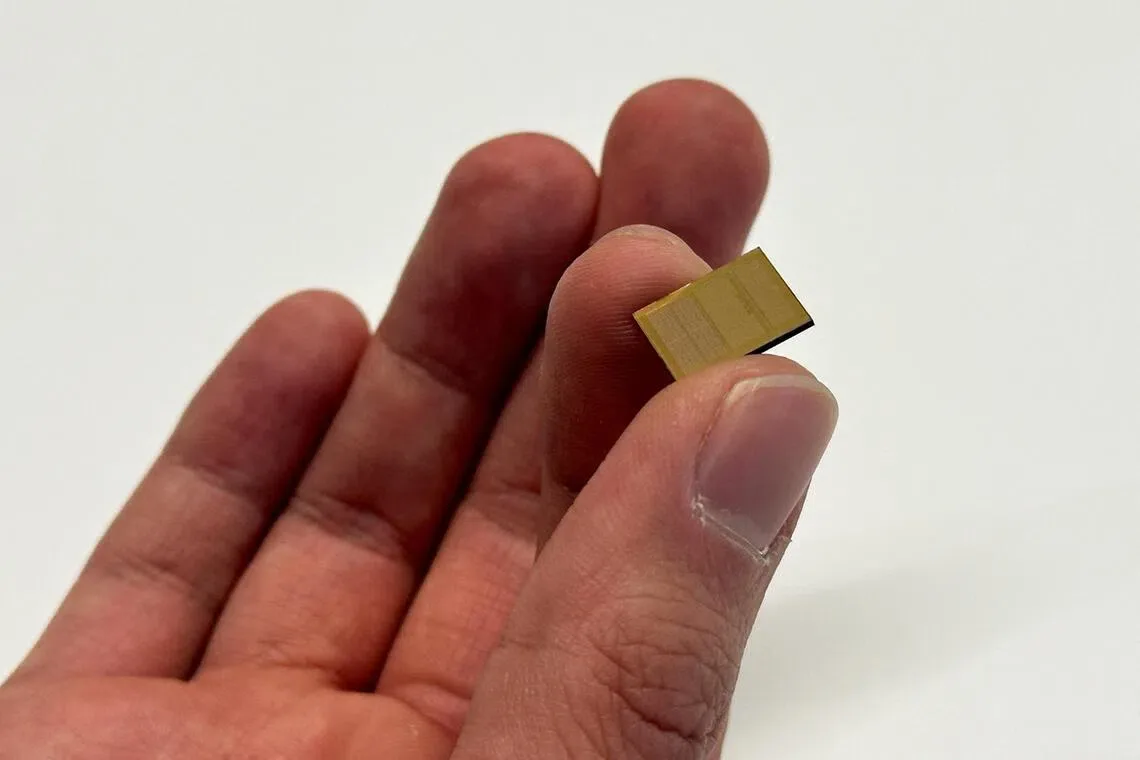
Prices for RAM chips in the US have surged from around $100 to $300 in just six months, driven by rising demand to build AI data centres, industry sources say [1, 2]. Chris Barber, a supply chain expert, described the rise as "the worst increase I have ever seen," noting that parts costs are "completely out of control" [1, 2].
The memory chip shortage has contributed to broader electronic component costs rising 27% year-on-year as of May, while software and computer accessories prices jumped 14.5% over the same period [1, 2]. These increases helped push US headline inflation above 4% in May for the first time since spring 2023 [1, 2]. Analysts estimate the chip price squeeze adds about 0.4 percentage points to overall inflation before easing [1, 2].
The growing demand for electricity to power data centres also contributes to rising energy costs, which in turn feed into inflationary pressures [1, 2]. US households, still recovering financially from the post-pandemic inflation surge, face tighter budgets amid these price rises [1, 2].
Federal Reserve officials have acknowledged the role of AI in current price pressures. Fed governor Lisa Cook and St. Louis Fed chief Alberto Musalem have pointed to AI's inflationary impact [1]. Meanwhile, former Fed chair Kevin Warsh said AI will ultimately improve productivity and reduce prices but is currently driving inflation upward [1, 2].
The inflation spike presents political challenges for US President Donald Trump and Republicans ahead of the midterm elections, as voters grow concerned about rising costs [1, 2].
The rapid price gains are expected to moderate once supply catches up with demand. For now, the memory chip market and associated inflation pressures remain a critical factor for the US economy.