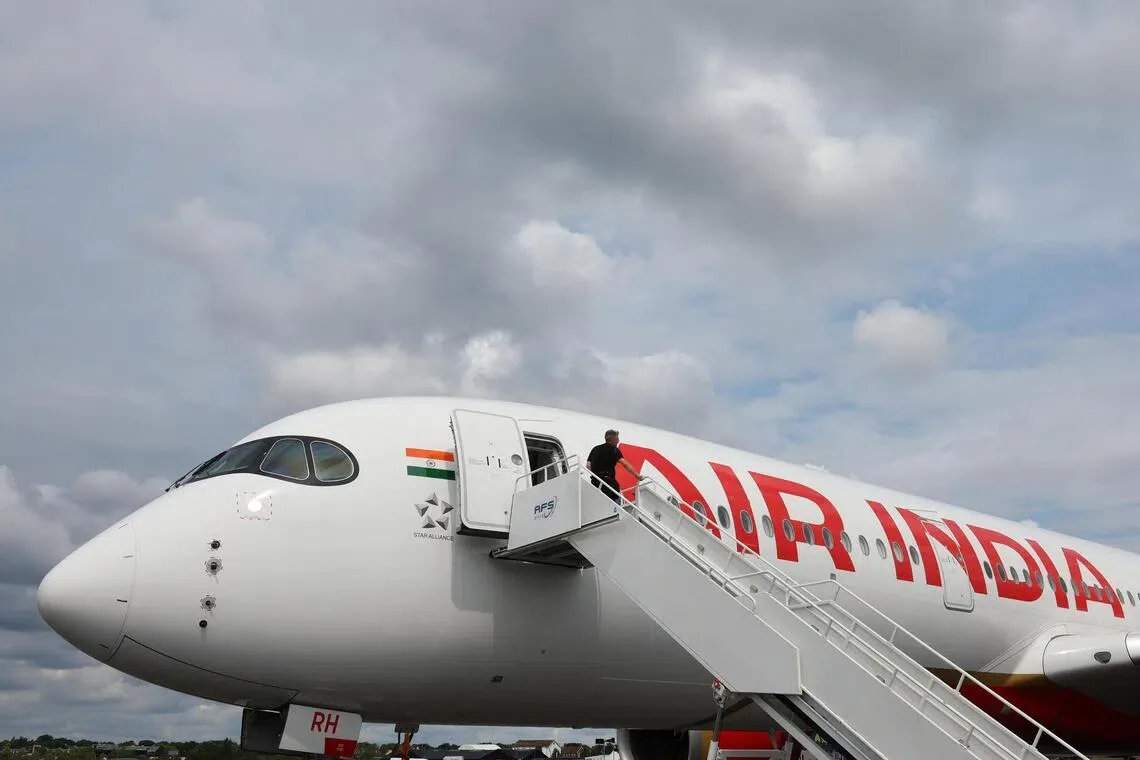
Air India began mandatory substance testing for all its pilots, including those at its budget subsidiary Air India Express, on August 13 [1, 2, 3, 4]. The expanded testing goes beyond regulations that currently mandate random tests for at least 10% of pilots annually [1, 2, 3, 4].
The enhanced drug tests screen for substances and medications banned under aviation rules and will take place alongside training at the Gurugram academy, after flights at briefing centers and offices, or at locations near pilots’ home bases [1, 2, 3].
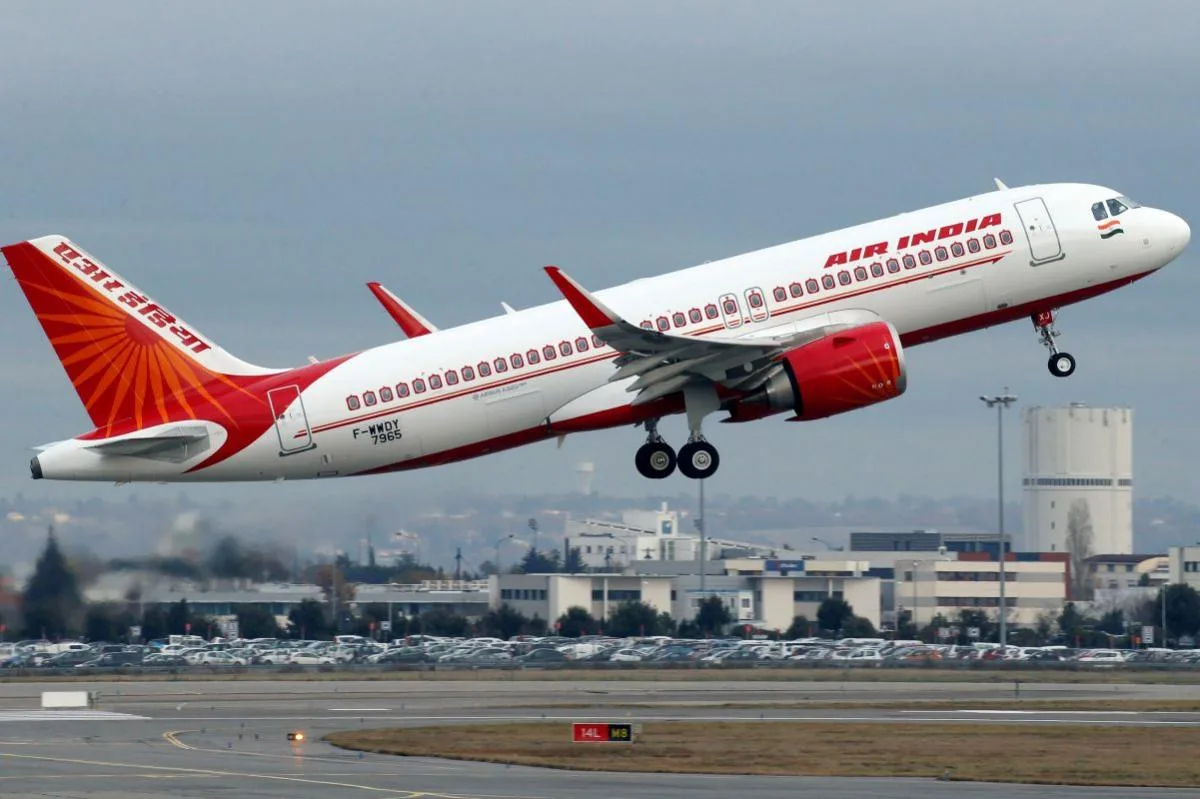
The move followed an incident on August 4 when an Air India Airbus A320neo flying from Phuket to Delhi suddenly lost about 91 meters (300 feet) of altitude during cruise, injuring at least 24 passengers out of 137 onboard and 8 crew [1, 2, 3, 4]. A source familiar with the matter said the flight's captain tested positive for marijuana in a confirmatory drug test [1, 2, 3].
Indian authorities and investigators including Airbus and the French civil aviation safety bureau are examining the evidence related to the incident [4].
An internal Air India memo stated, "We nevertheless now feel that it is important to go further. This initiative is intended to uphold safety standards and provide reassurance to passengers and other stakeholders" [2]. Another memo in Chinese confirmed the mandatory nature of the testing and the decision to screen all pilots for banned substances under current regulations [4].
Air India has not immediately responded to requests for comment [1, 2, 3].