Alphabet Inc priced and launched its debut Australian dollar (Kangaroo) bond offering on August 19, raising about A$5.5 billion in a deal spanning 3, 5, 10, and 20-year maturities [1, 2, 3, 4]. The 20-year tranche carried a yield of roughly 6.9% to 7%, marking the highest coupon rate ever on an Alphabet bond [1, 2, 4].
Demand for the bond far exceeded expectations, with bids topping A$18 billion to A$20 billion, significantly above the planned issuance size [1, 2, 4]. Chamath De Silva, head of fixed income at Betashares, said investors "recognised they were being offered an attractive entry point into one of the world’s strongest corporate balance sheets" [1]. He also noted that Alphabet’s Kangaroo bond is an important milestone for the Australian corporate debt market and suggested Amazon may be next to enter this market [4].
Alphabet has pursued a record pace of multi-currency bond issuance in 2026, tapping markets in Swiss francs, British pounds, euros, Canadian dollars, Japanese yen, and now Australian dollars [2, 3, 4]. This expanded borrowing strategy reflects a shift from relying mainly on cash reserves to diversified debt issuance to fund growing capital needs, particularly in AI [4].
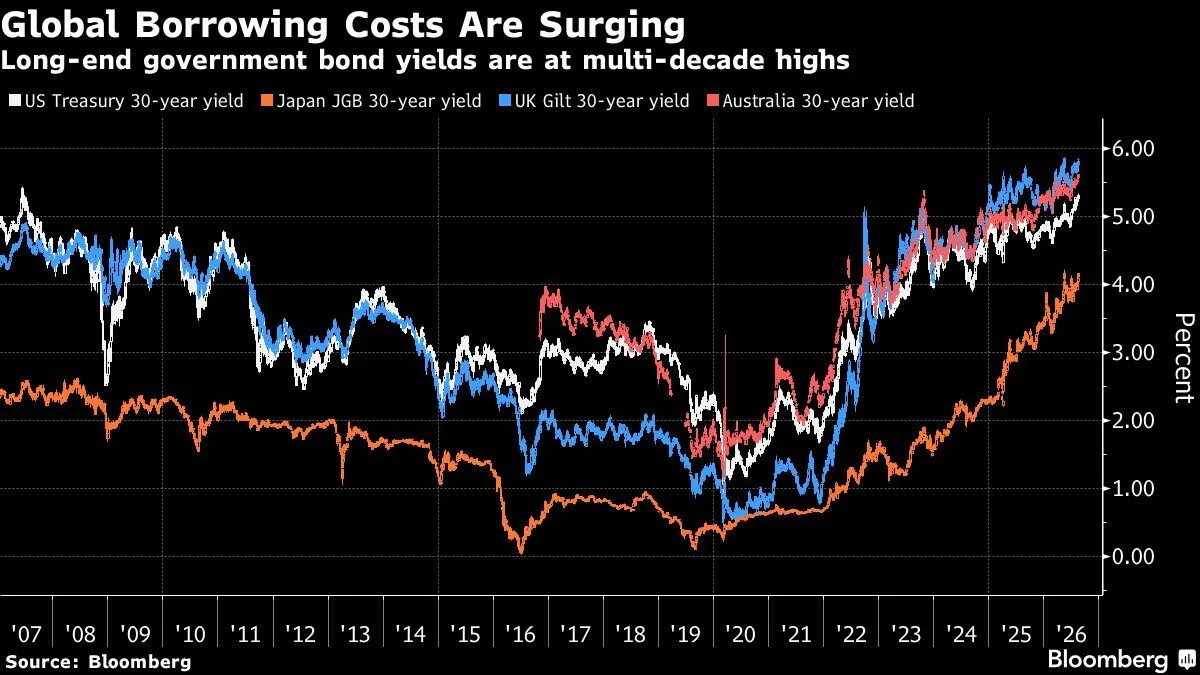
The high borrowing costs align with a multi-decade high in global yields and increased fundraising by large tech firms and governments for AI investments [1, 2, 4]. Alphabet recently raised its AI capital expenditure outlook to as much as US$205 billion in 2026, helping explain its expanded financing needs [3, 4]. Alphabet is currently the second largest U.S. corporate issuer globally this year, behind only Amazon [1, 2, 3].
The Kangaroo bond launch today illustrates Alphabet’s aggressive fund-raising approach to back its AI ambitions amid a challenging interest rate environment. The company aims to leverage this liquidity to sustain its AI growth and technology investments.