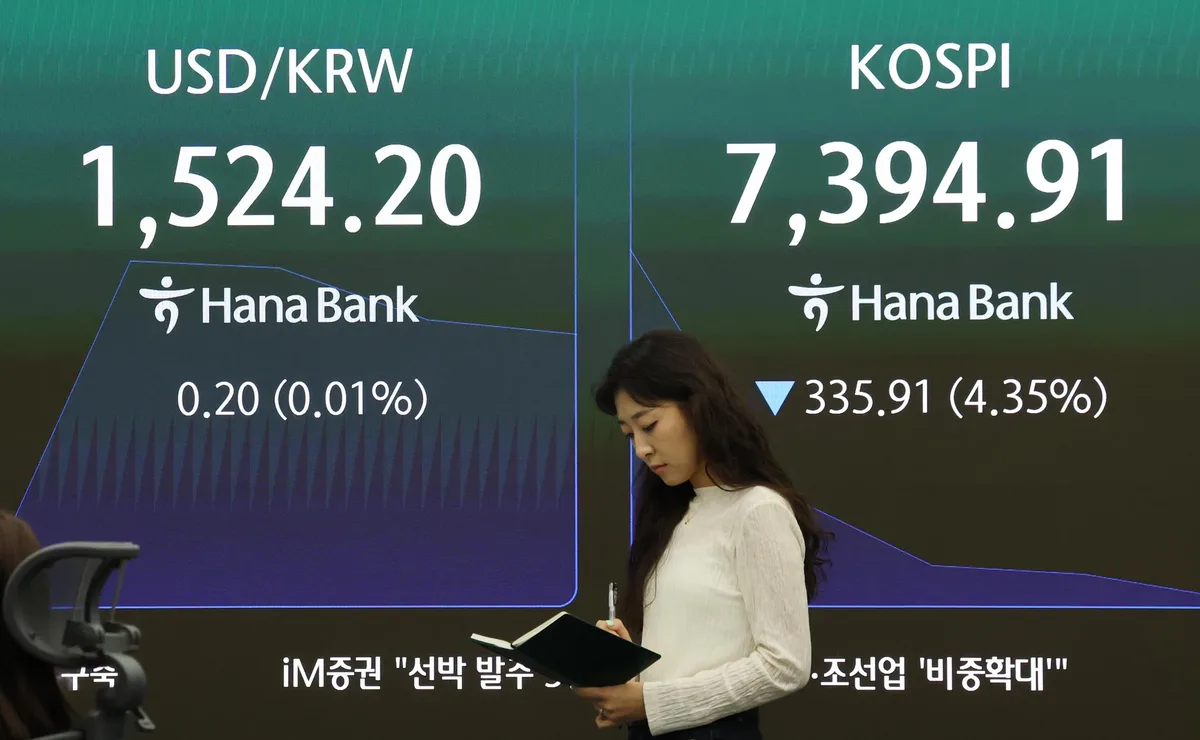
Asian stocks recovered some losses after the US military completed its latest strikes in Iran, calming initial market jitters caused by intensified geopolitical tensions [1, 2]. The MSCI Asia Pacific Index gained 0.1%, reversing an earlier drop of as much as 1.4% in the session [1, 2].
Oil prices, initially lifted by fears of supply disruption amid the conflict, trimmed gains to settle around US$94.68 per barrel after briefly surpassing US$95 [1, 2]. Gold, often a safe haven during unrest, erased its early losses and edged higher [1, 2].
US equity-index futures reversed early losses and rose as much as 0.6%, signaling some investor relief [1, 2]. However, the Nasdaq 100 Index fell 2% on June 10 amid a sell-off in major technology stocks, including chipmakers Nvidia and other AI-related companies, who saw declines for a second straight day [1, 2]. Oracle shares dropped following reports of higher-than-expected quarterly capital expenditures [1, 2].
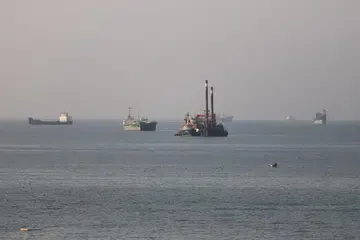
The US Central Command launched additional "self-defence strikes" on June 10 in Iran after retaliation for downing a US helicopter on June 9, completing the strikes later that day [1, 2]. President Donald Trump's impatience with failed negotiations reportedly influenced the decision to escalate military actions [1, 2]. The April ceasefire between the US and Iran has effectively collapsed, though large-scale bombing has yet to resume [1, 2].
Market analysts remain cautious. Chris Beauchamp, chief market analyst at IG, said investors are "skittish despite being thrown a lifeline by the inflation figures," noting a "once bitten, twice shy" attitude that may prolong downward drift while keeping the overall trend intact [1]. Sean Callow, senior analyst at ITC Markets in Sydney, remarked that the market suspects this may be "another brief episode of sound and fury signifying not much," warranting caution in positioning [1].
The next key event for investors will be monitoring any further US-Iran developments and the resulting market reactions in the days ahead.