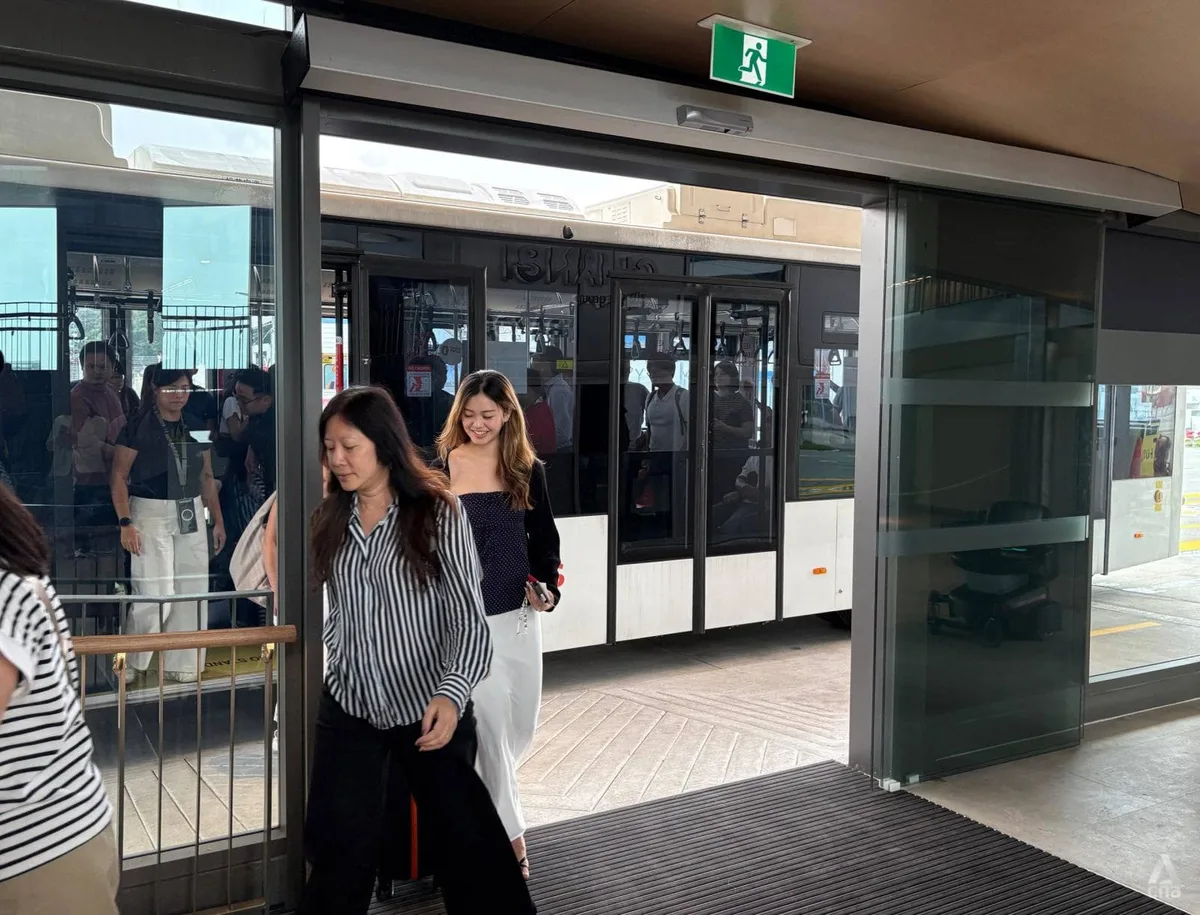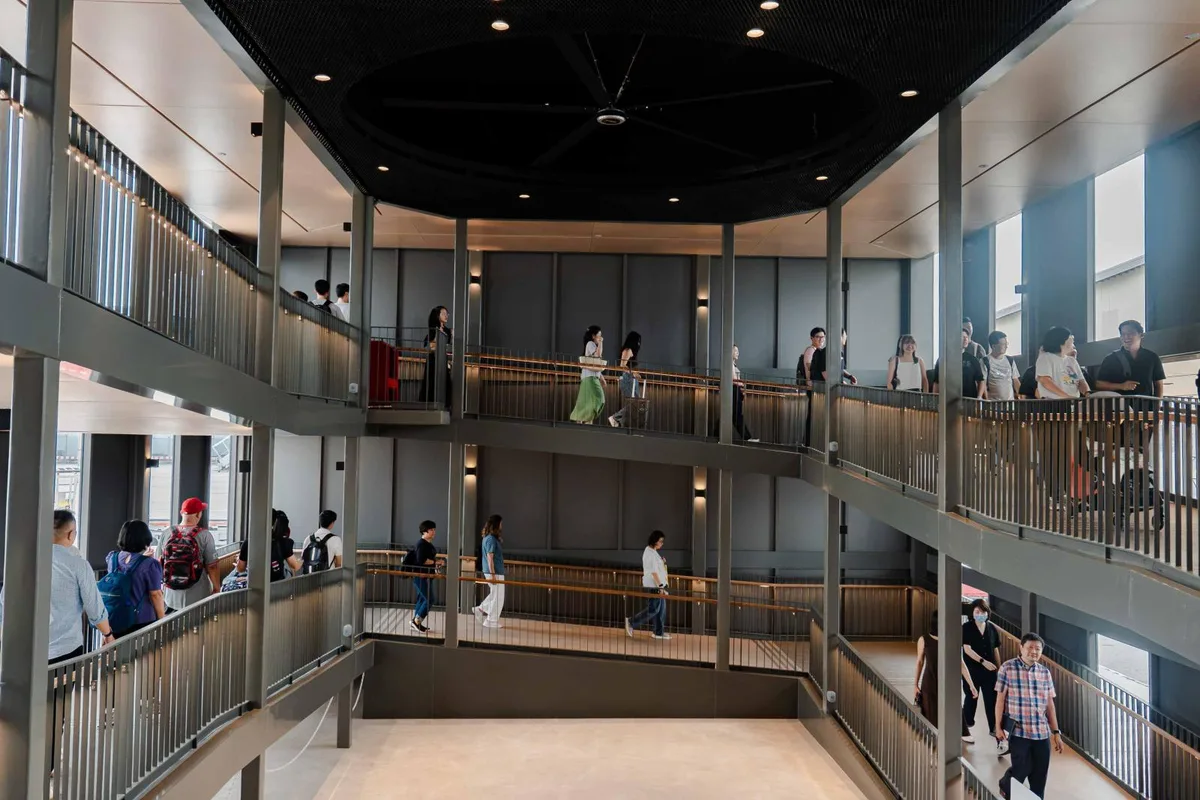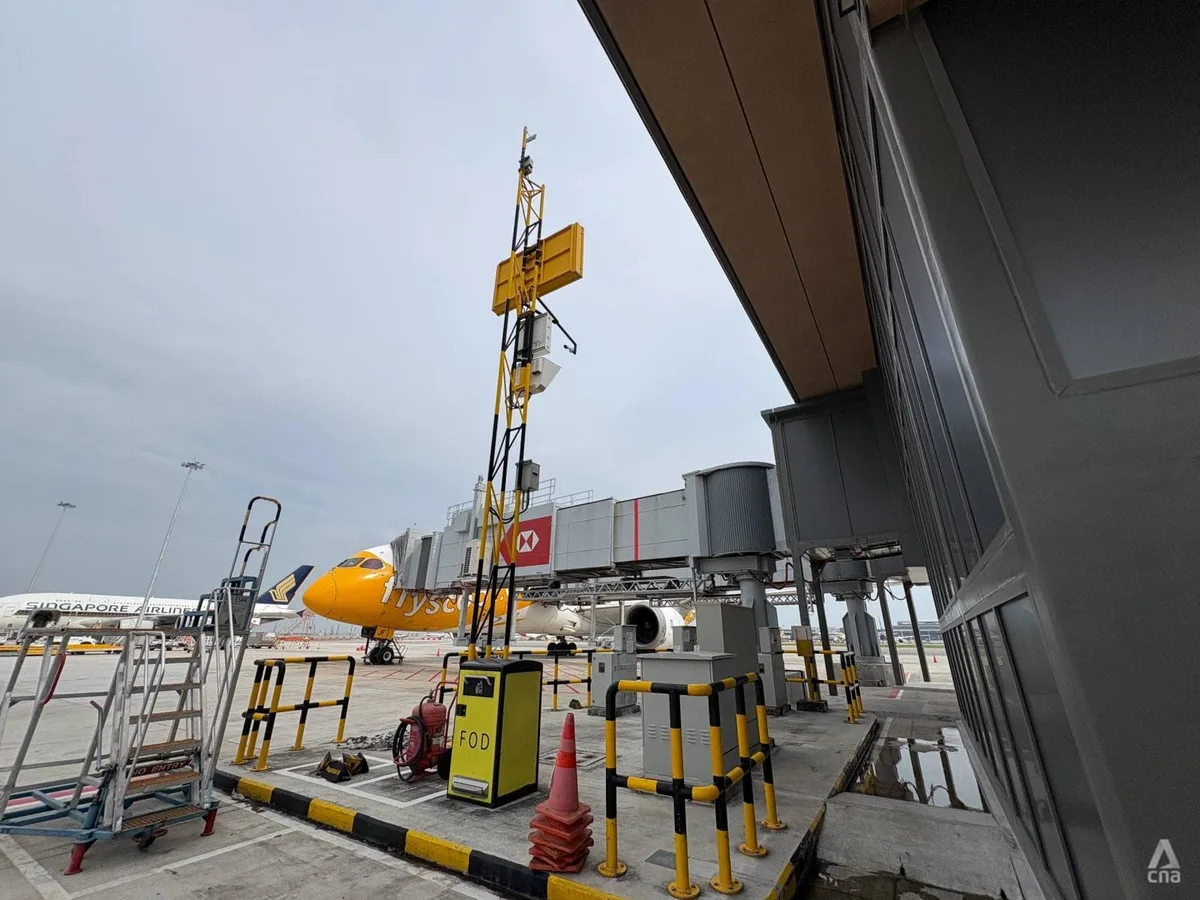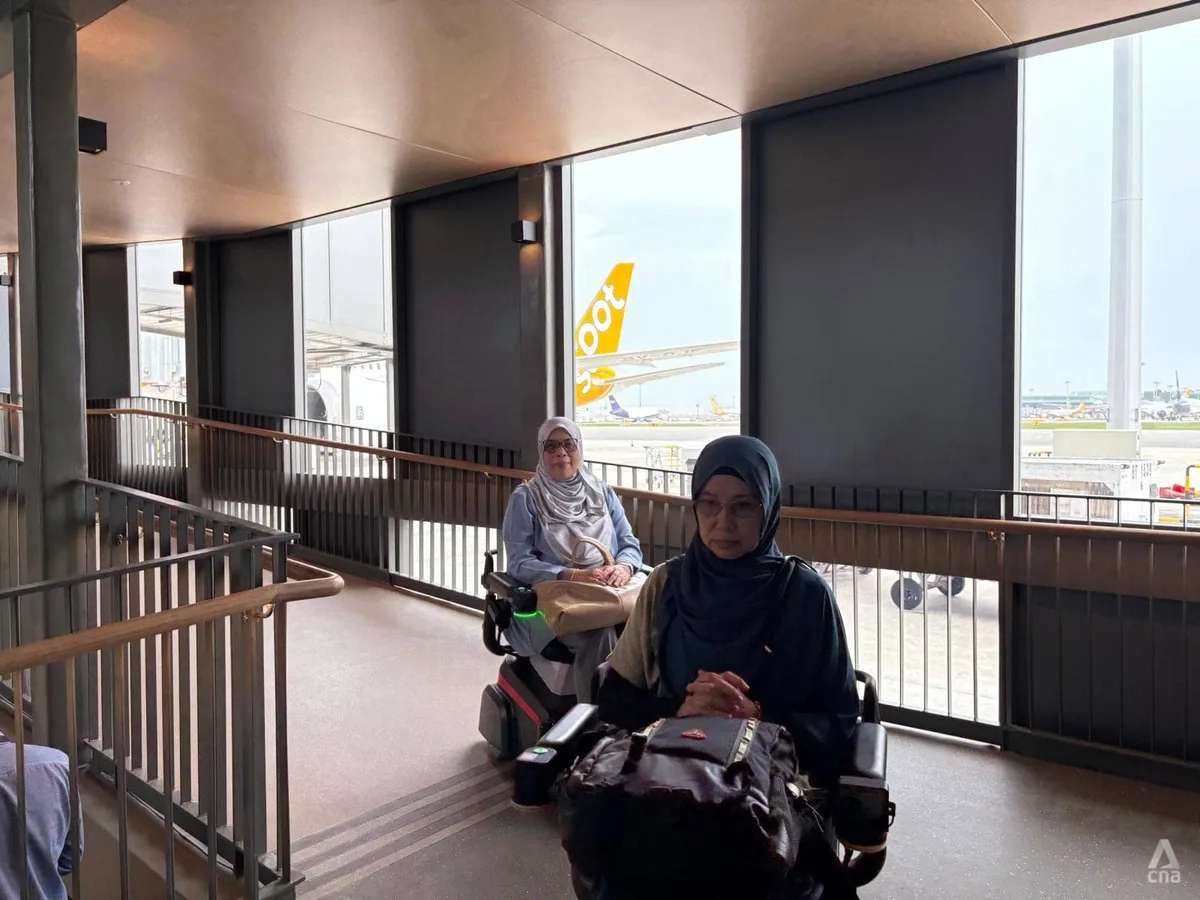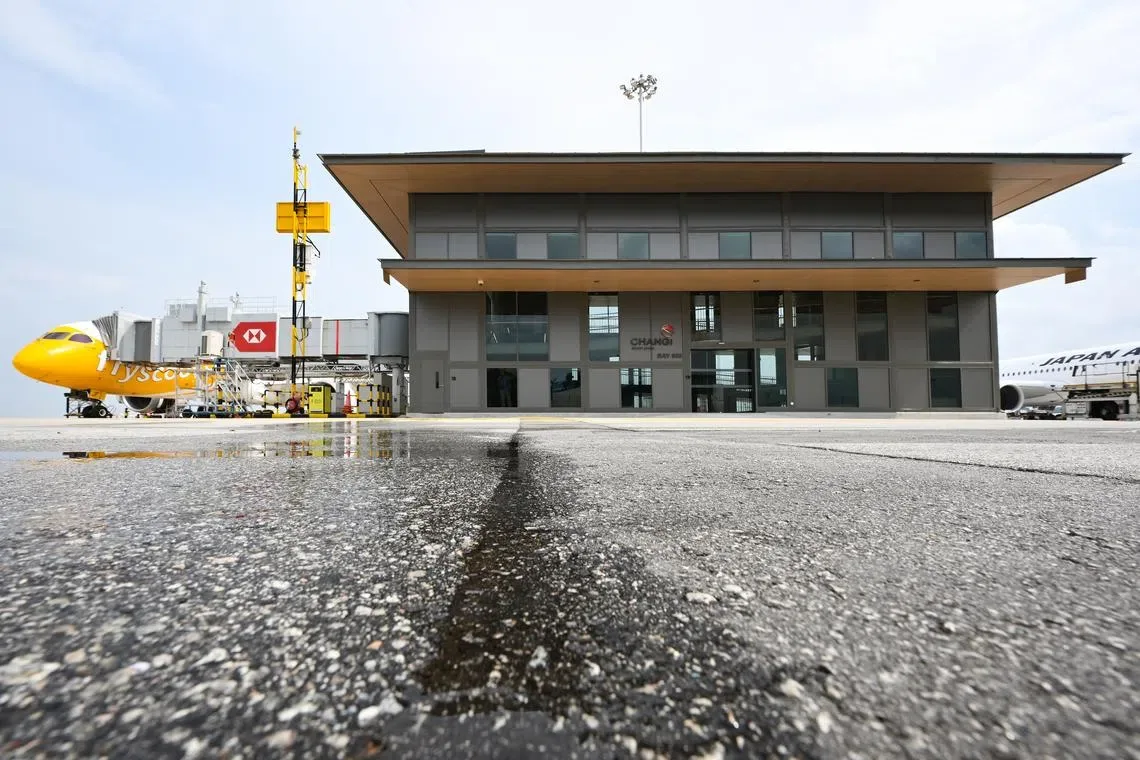
Changi Airport opened a 200-square-meter, two-storey satellite gate in August 2026 to serve flights docked at remote stands away from the main terminals [1, 2, 3, 4]. The facility includes two aerobridges and a 60-meter gently sloping ramp designed to improve accessibility for wheelchairs, strollers, and luggage. It is also fully air-conditioned to enhance passenger comfort [1, 2, 3, 4].
The satellite gate can accommodate all commercial aircraft except Airbus A380 and Boeing 747 wide-body jets, covering most flights assigned to remote stands at Changi [1, 2, 3, 4]. Approximately 2% of daily flights, about 20 per day, use these remote stands, often during peak periods [1, 2, 3, 4]. Passengers on airlines such as Scoot, Xiamen Airlines, and Aircalin are more likely to use the new facility as these carriers frequently operate from remote stands [2, 3, 4].
Passengers transfer between Terminal 2 and the satellite gate by bus, a ride lasting five to seven minutes [1, 2, 3, 4]. Compared with the previous use of portable stairs, the new aerobridges reduce manpower needs, requiring only one auxiliary police officer and two aerobridge operators to manage boarding [1].
The facility is powered by rooftop solar panels with energy stored in a nearby battery, helping to reduce reliance on the airport’s main power supply [1, 2, 3, 4]. Changi Airport Group said the satellite gate "will provide a more seamless and comfortable journey for travellers" [2].
The satellite gate supports Changi’s planned growth, as remote stands are expected to play a larger role before the opening of Terminal 5 in the 2030s [2, 3, 4]. On July 10, 2026, Changi Airport Group announced the satellite gate and demonstrated passenger flow through a simulation before its August launch [1, 2, 3, 4].