Commercial ship traffic through the Strait of Hormuz has fallen to near-record lows due to escalating US-Iran tensions and Iranian closure of the waterway. Only 14 commercial vessels passed through the strait on July 12, a sharp drop from pre-conflict daily averages of about 130 ships, according to Iranian sources [1].
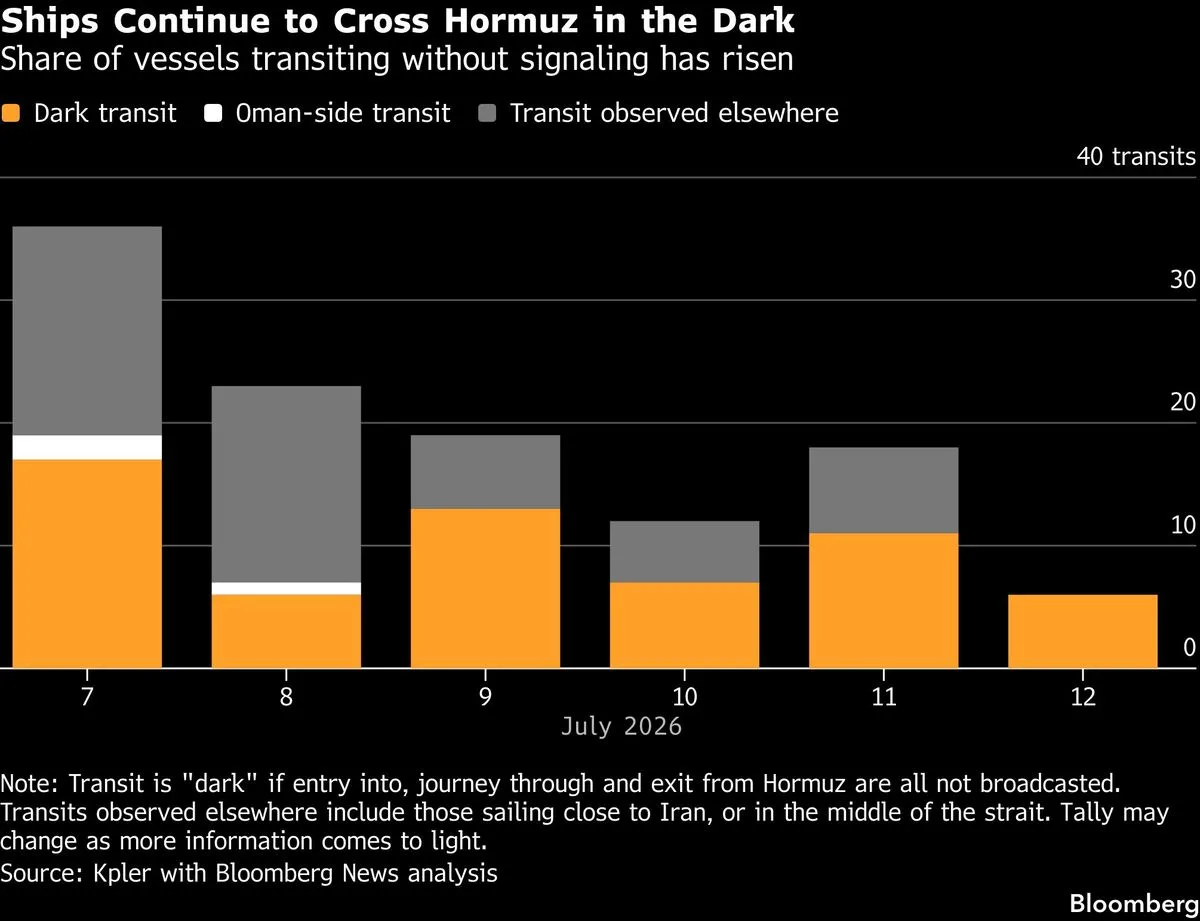
Iran’s Islamic Revolutionary Guard Corps (IRGC) announced on July 10 the closure of the Strait of Hormuz until further notice, citing an "unstable security environment caused by foreign intervention." The IRGC stated Iranian forces intercepted two vessels attempting unauthorized passage [1]. Despite the closure, a limited number of ships continue to transit covertly with Automatic Identification System (AIS) transponders turned off to avoid detection [2, 3].
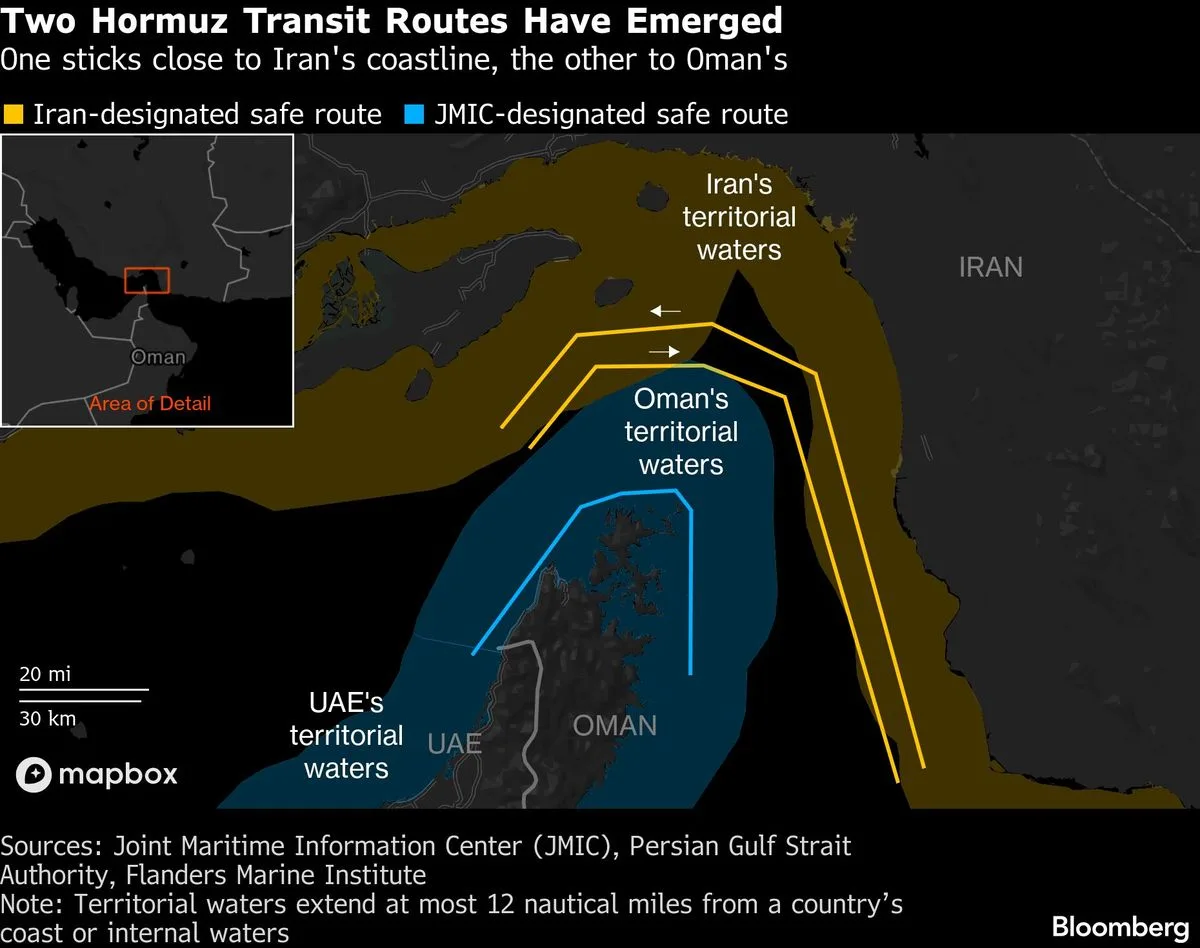
Observable passages via the US-supported southern corridor along Oman’s coast ceased after July 8, with sources reporting the last ship passed that day [2, 3]. The northern route, designated by Israel and Iran, still sees some crossings but exposes vessels to risks from Iranian enforcement and potential US penalties [2, 3].
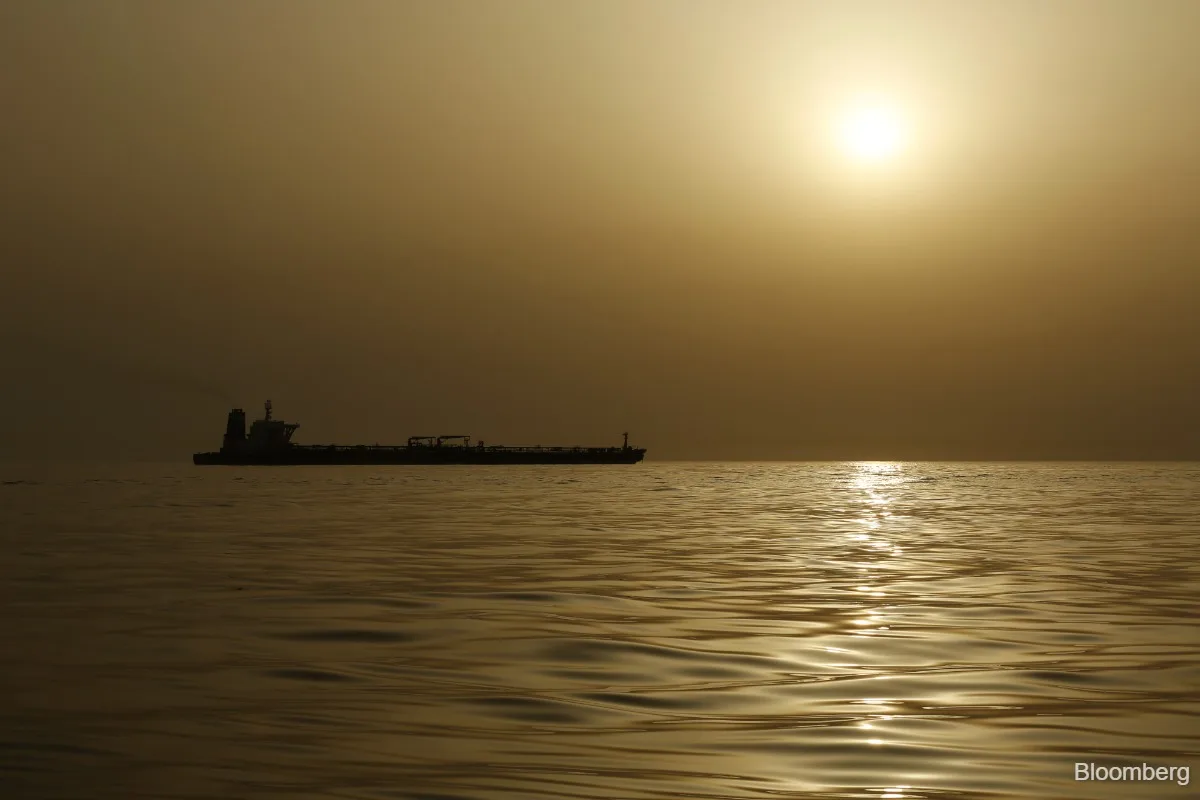
Tankers carrying about 2 million barrels of Iranian crude oil and nearly 1 million barrels of petroleum products crossed the strait, including the tanker Humanity transporting Iranian crude and Capetan Andreas carrying petroleum products [3, 1]. Shipping companies appear to prefer keeping their AIS transponders off during transit.
Since the US-Israel war with Iran began on February 28, 2026, traffic through the Strait of Hormuz has sharply diminished [1]. In mid-April, ships started secret "dark crossings" without transponders [2]. An agreement between Washington and Tehran in mid-June temporarily raised daily crossings to over 70 vessels, with a peak of 76, but the situation deteriorated rapidly in July [1].
US Central Command has launched multiple strikes against Iran following Iranian attacks on vessels. CENTCOM says "there are still pathways open to ships," but the security risks remain high [2].
The drop in traffic poses challenges for global energy markets since the strait is a crucial route for oil shipments. Monitoring continues as the IRGC’s closure remains in effect with no announced end date [1].