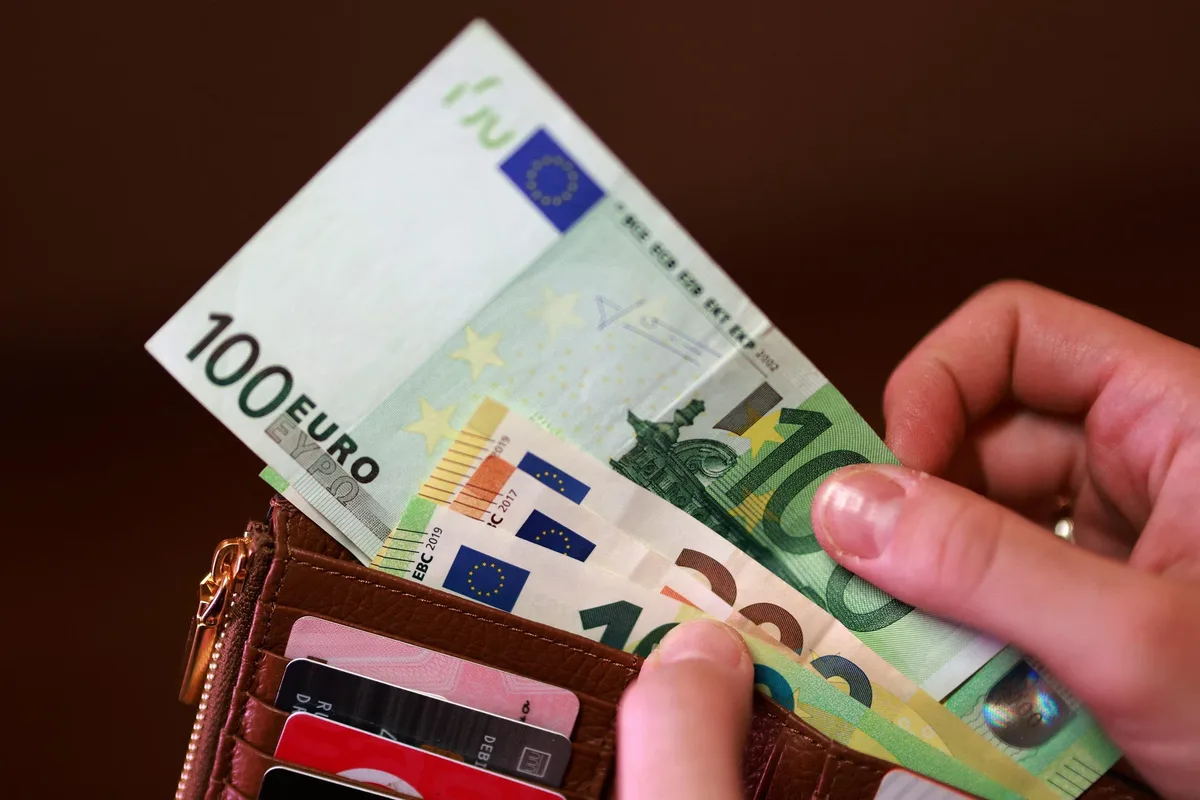
The euro’s overall global usage rose slightly to about 20% in 2025, according to the European Central Bank’s annual report released June 2, 2026 [1, 2]. International debt issuance denominated in euros hit a record high last year, and the euro led the global market for green and sustainable bonds for the first time [1, 2]. Despite these gains, the euro’s share in daily foreign-exchange trading declined notably in 2025 [1, 2].
The euro’s share of global foreign exchange reserves remained steady at about one-third the level of the US dollar’s allocation, reflecting continued dominance of the dollar in central bank reserves [1, 2]. ECB President Christine Lagarde called for stronger policy actions to boost the euro’s profile. "There is an opening for the euro to enhance its global appeal–provided that European policymakers create the necessary conditions and put words into action," Lagarde said [1].
Challenges to expanding the euro’s international role include the need to improve economic resilience, legal frameworks, and geopolitical credibility, the ECB report said [1, 2]. Meanwhile, central banks reduced gold purchases to about 850 tonnes in 2025, down from over 1,000 tonnes in 2024. Gold remains the second-largest reserve asset by market value after the US dollar [1, 2].
The report also noted that China’s renminbi, though still a smaller share globally, gained ground in daily foreign-exchange trading and trade financing in 2025. Heightened tensions in the Middle East may further accelerate its use [1, 2]. Some countries are developing alternative cross-border payment systems using digital technologies, signaling increasing fragmentation in the international monetary system [1].
European officials have aimed to reduce US dollar dominance amid concerns over policy volatility during Donald Trump’s return to the presidency and his criticisms of the Federal Reserve [1, 2]. The ECB’s annual report documenting these trends was published on June 2, 2026 [1, 2].