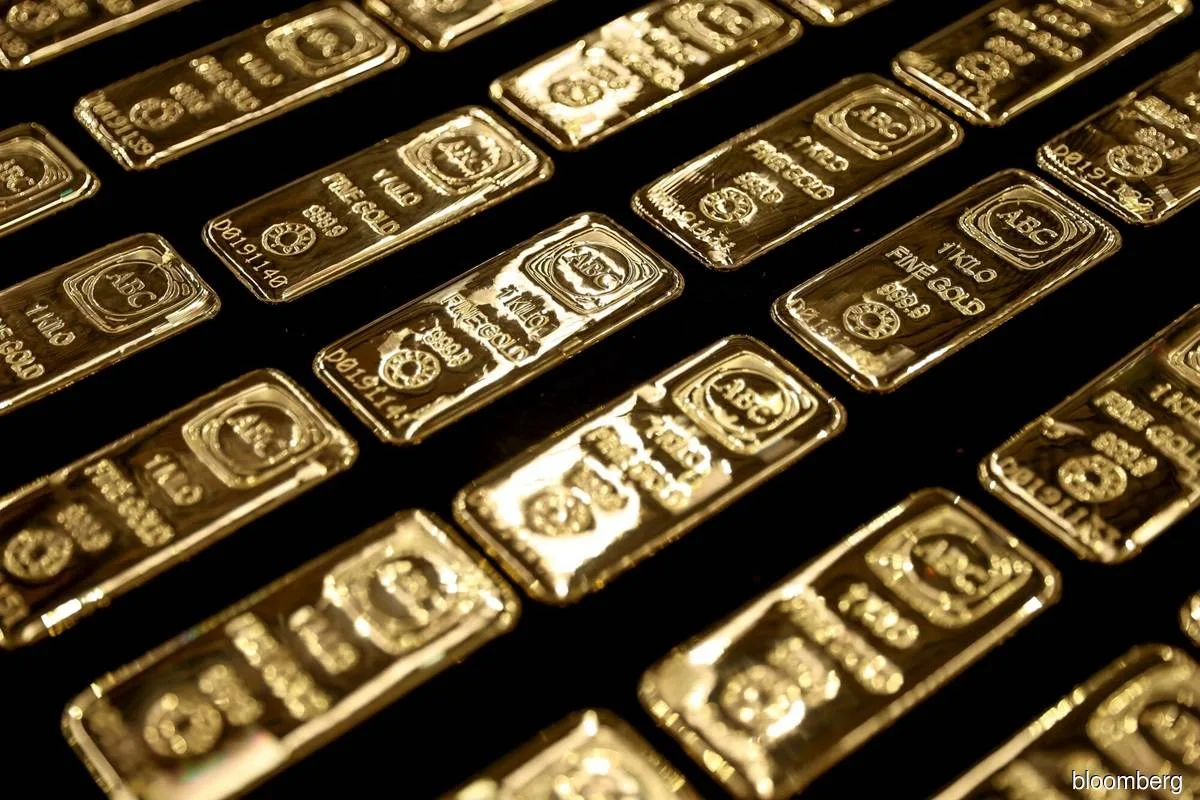
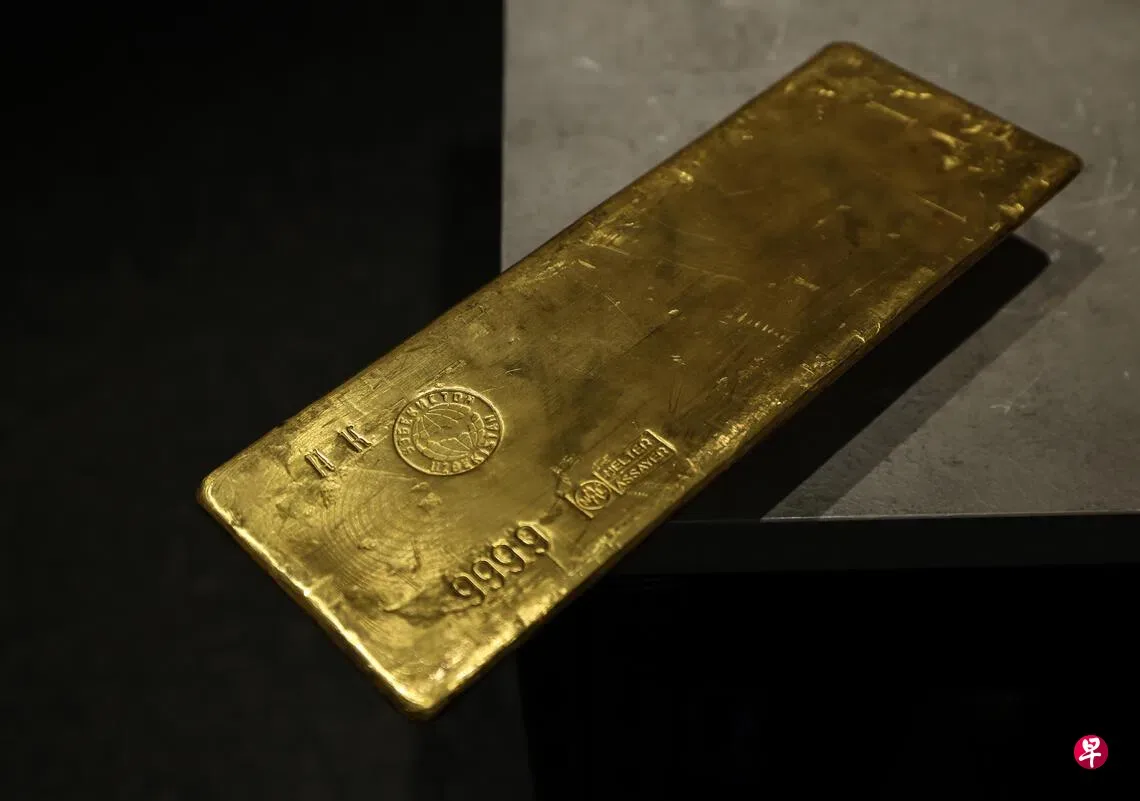
Gold prices reached their highest level since mid-May 2026, climbing above $4,640 per ounce during Asian trading on August 24 and holding near $4,668 in early trading on August 25 amid intensified US Treasury bond buybacks and a weaker US dollar [1, 2, 3, 4, 5].
The US Treasury Department doubled the maximum size of its buyback program for long-dated government bonds from $2 billion to at least $4 billion. The initiative aims to lower Treasury yields and reduce borrowing costs [1, 3, 4, 6]. Treasury bond buybacks caused yields and the US dollar index to drop, sparking fears of US dollar debasement and diminishing confidence in US monetary policy [1, 2, 3, 4, 5, 6].
Gold has surged over 15% in August, on track for its strongest monthly increase since September 1999 [5, 6]. Gold-backed exchange-traded funds (ETFs) saw inflows exceeding 28 tonnes last week, the largest weekly gain since January 2026 [2, 4]. Analysts noted strong investor interest. Justin Lin of Global X ETFs said, "I see scope for macro money to pivot quite heavily into precious metals on the back of this currency debasement narrative" [4]. OCBC strategist Christopher Wong commented, "The rally has room to run, although some consolidation after the recent sharp move would be healthy. The main near-term risks are a renewed rise in real yields or the US dollar" [4].
Billionaire Ray Dalio, founder of Bridgewater Associates, recommended reducing bond holdings and allocating up to 15% of assets into gold to hedge against US debt crisis risks [2, 3, 4]. Dalio said, "Investors should reduce their bond holdings and put as much as 15 per cent of their money in bullion to hedge against the risk of a US debt crisis" [2].
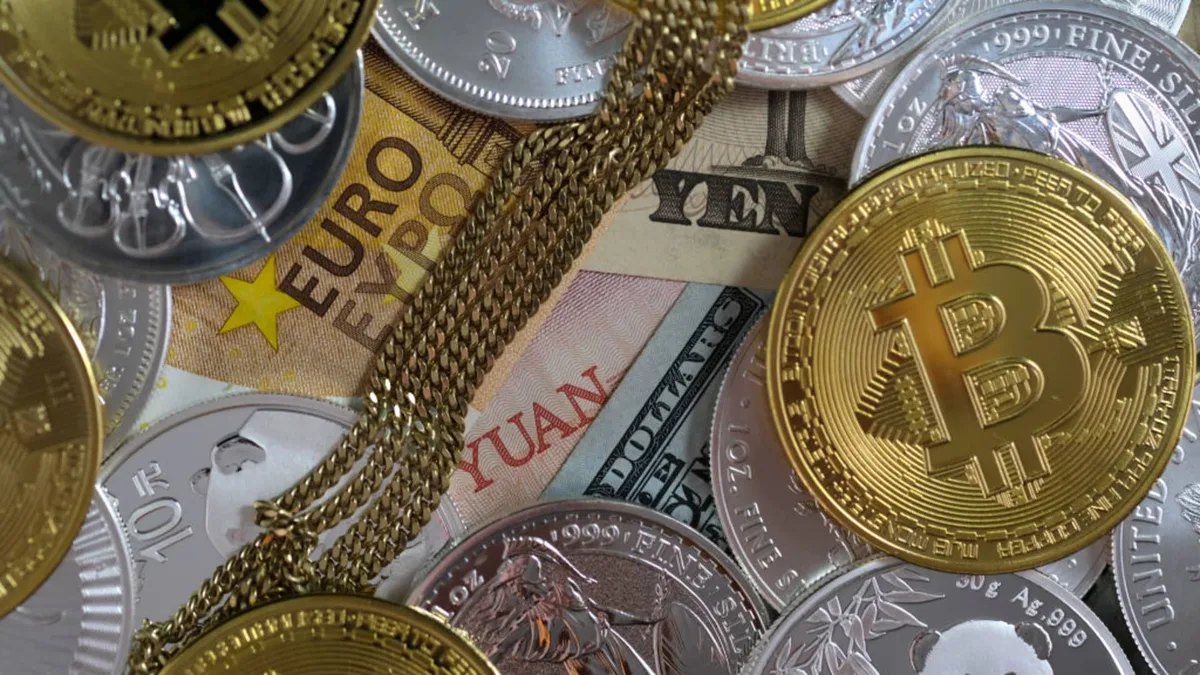
Other hard assets also gained. Spot silver prices rose modestly to around $69 per ounce [1, 2, 3, 4, 5], while bitcoin and other cryptocurrencies rallied on concerns over US government debt [6].
Market participants awaited a key speech from US Federal Reserve Chair Kevin Warsh at the Jackson Hole symposium later this week, looking for signals on inflation and interest rates. A hawkish Fed stance could halt the gold rally; a dovish surprise might boost it further amid expectations of fewer rate hikes and more dollar weakness [1, 5].
Tony Sycamore, IG market analyst, said, "Looking ahead, we expect dips in gold to be well supported from buyers looking for gold to make its way towards the next upside resistance at US$4,900/US$5,000" [1]. TD Securities added, "These US dollar debasement fears should see gold be well-supported in the coming weeks, as the Fed has not been sending a clear signal it is ready to fight higher inflation" [1].
Stephen Coltman, Head of Macro at 21Shares, noted the bond purchases are still small compared to the overall market but have powerful signaling effects. "The size of the Treasury purchases announced so far by Bessent are trivial in comparison to the size of the overall market, but the [signaling] effect was very powerful," he said [6].
The gold market will closely watch developments from the Jackson Hole event this week and Treasury activity for further direction.