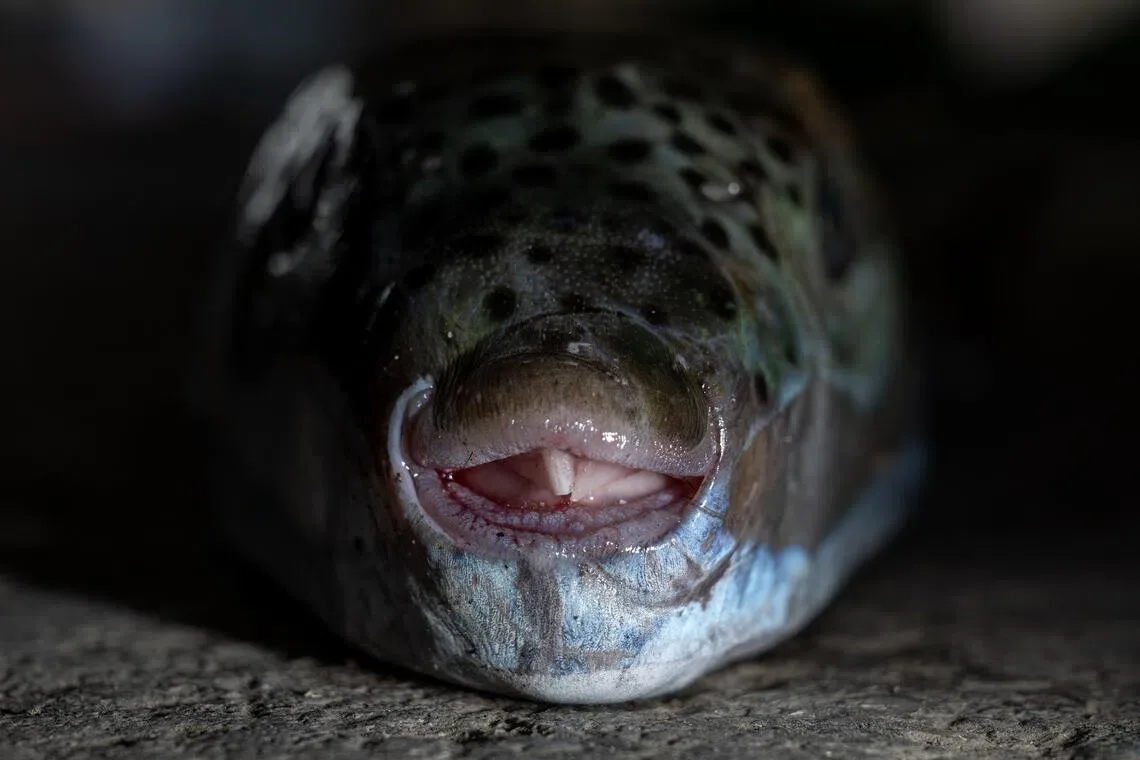
Silver-cheeked pufferfish (Lagocephalus sceleratus) first appeared in Greek waters about 20 years ago and have since spread through the eastern Mediterranean Sea, including areas near Crete and the Dodecanese islands [1, 2]. These invasive fish, typically 40-60 cm long, have no natural predators and are causing increasing harm to local fisheries [1, 2].
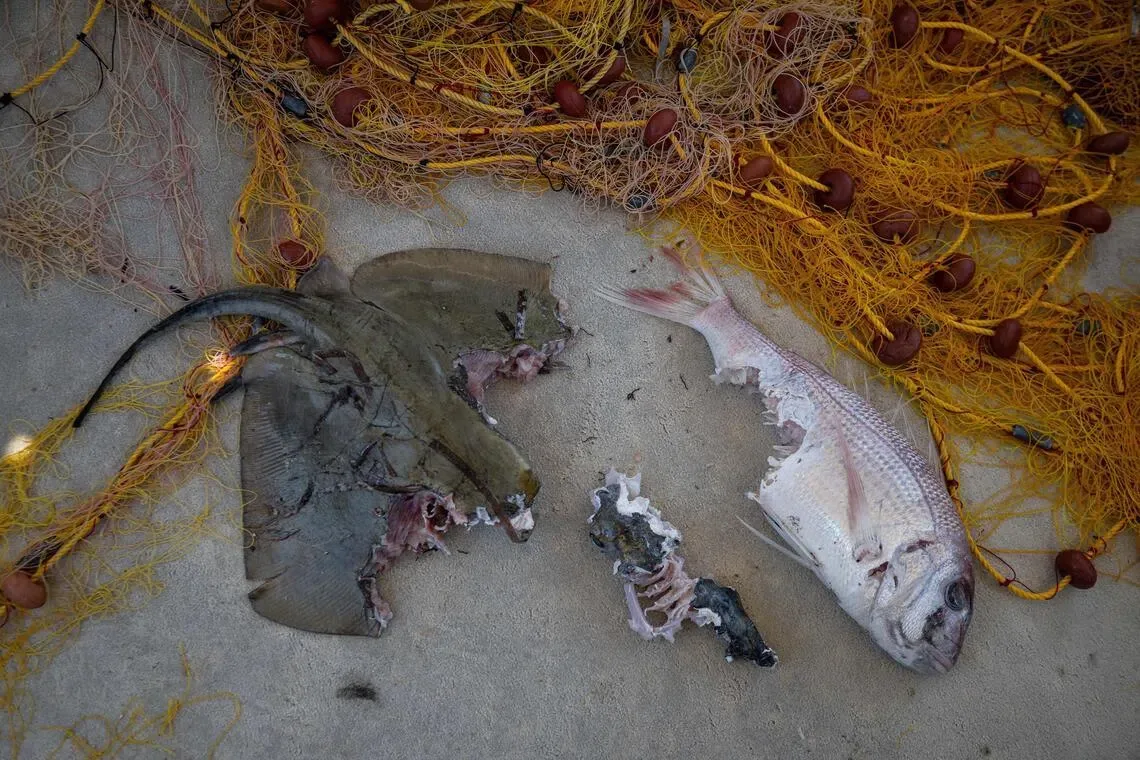
The pufferfish entered the Mediterranean via the Suez Canal and have established themselves firmly in Greek waters. They pose multiple threats: their powerful toxin makes them deadly to eat, and their strong beak-like mouth can bite through wood and metal, which ruins fishing nets [1, 2]. Fishermen report nets become unusable after just five days due to severe damage.
In Ierapetra, Crete, local fisherman Alexis Charlambakis, 43, described the impact: "If one of these bites you, it will take your finger clean off. They are the destruction of the sea. They leave nothing behind." He added, "If this wasn’t my boat, I’d quit this profession for good. The situation is dire... we cannot survive" [1].
Fishermen say it takes around two days to repair nets, which can have 20 or more holes after just a single fishing trip [1, 2]. The pufferfish is omnivorous, eating all it encounters, which further disrupts local marine ecosystems and fish stocks. Fisherman Giannis Giankakis, 65, said, "It’s an omnivorous fish that eats everything it encounters. Nothing seems to bother it, because it has no natural predators among other fish" [1].
There are about 200 pufferfish species worldwide, with three species now recorded in the eastern Mediterranean [1, 2]. Scientists link the explosion of silver-cheeked pufferfish to warming oceans altering marine ecosystems and impacting local economies reliant on fishing [1, 2].
Silver-cheeked pufferfish were first recorded scientifically in Greek waters in June 2005 [1, 2]. The ongoing spread and its growing damage have made managing or controlling the population a key priority for fishermen and authorities in the region.