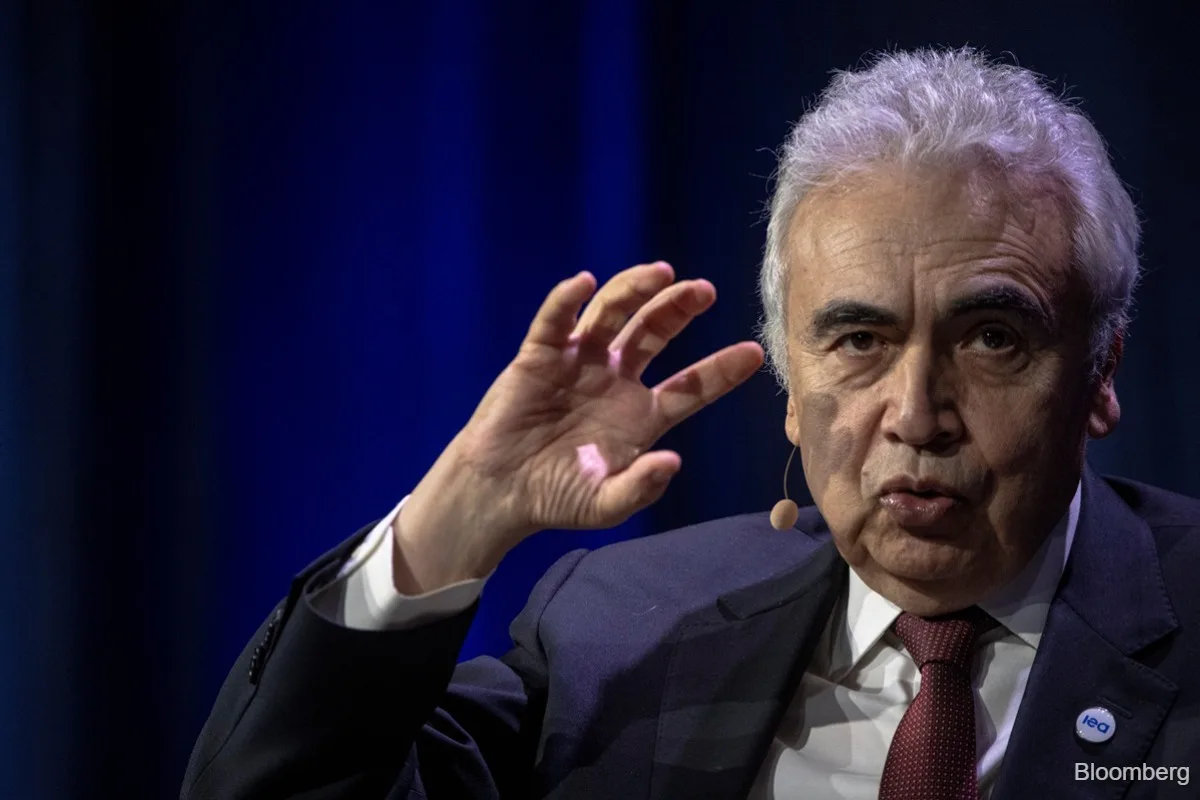
The International Energy Agency (IEA) Executive Director Fatih Birol warned on July 15, 2026, that if the Strait of Hormuz remains closed for weeks, the global economy will face severe challenges, especially in developing and Asian countries. Birol said, "If the Strait of Hormuz remains closed we may again have some difficulty for global economies, including those in the region and developing nations and Asia. It is not months, it is weeks after which the strait needs to be fully open, unconditionally open" [1, 2, 3, 4].
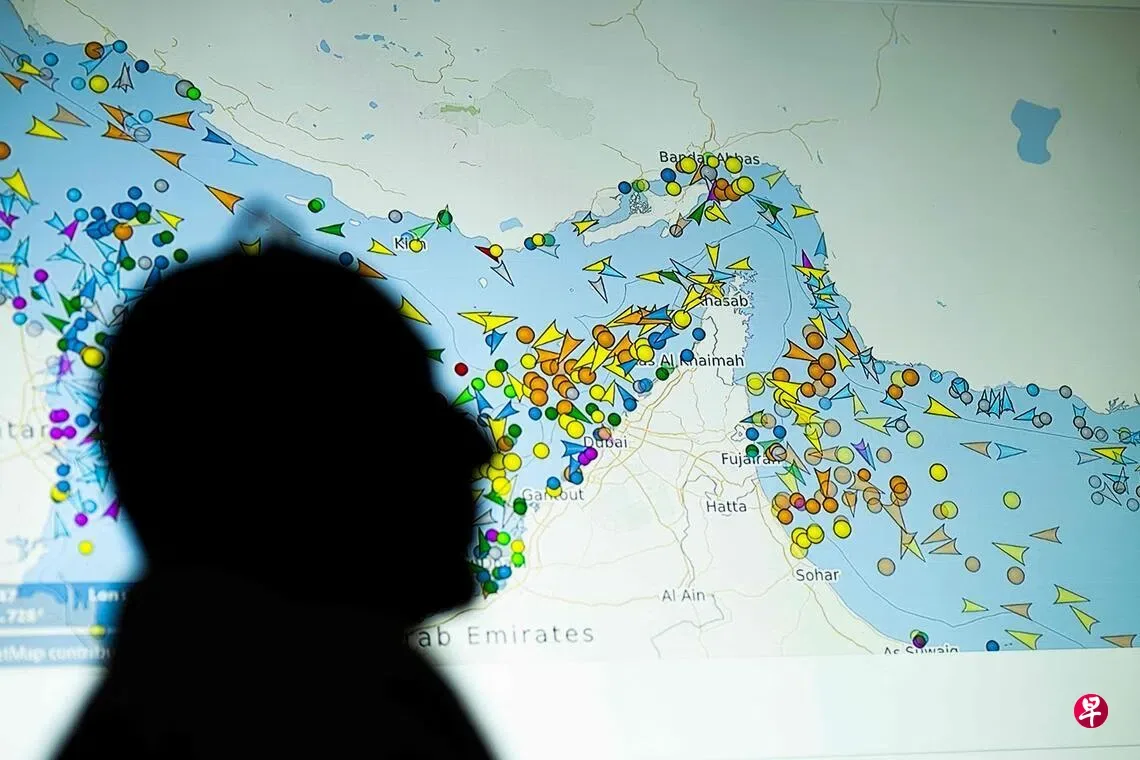
Disruptions in the Strait have escalated since early July, when a renewed U.S. naval blockade of Iran began alongside a series of attacks on vessels around the waterway. These incidents have sharply reduced commercial shipping traffic through the strait, a strategic chokepoint where about 20% of global liquefied natural gas (LNG) supply passes, impacting global gas and oil markets [1, 2, 5, 3, 6]. The International Maritime Organization (IMO) now considers the Strait unsafe for commercial vessels due to security risks. Its Secretary-General Kitack Lim urged countries to uphold international law and warned that "for businesses, in these turbulent times, it is not advisable to risk transiting the Strait of Hormuz" [1, 3].
Iran’s Islamic Revolutionary Guard Corps stated on July 15 that the strait will remain closed until the U.S. ends its strikes and naval blockade on Iranian ports, prolonging the crisis [5, 6]. Ship movements have slowed to near standstill since early July, though some vessels have crossed, often escorted by the U.S. military. Nearly half of about 300 vessels passing through the strait in the past week required U.S. military escort, but some shipowners avoid it amid attacks in the Oman Sea route. Rising insurance premiums for ships transiting the strait have reached up to 7% of vessel value, and some crews refuse to navigate due to hostilities [5, 3, 6].
The supply disruption has driven Asian LNG spot prices to their highest since late March, reaching around $20.2 per million British thermal units (mmbtu) as of July 16. Pakistan paid a record $20.7/mmbtu for a spot shipment after a scheduled Qatari delivery was canceled due to the Hormuz disruptions. LNG analyst Evan Tan from ICIS said the ongoing tensions "delay the hopeful return of Qatari volumes" and expect spot prices to rise through the year due to firm Asian demand and short storage in Europe [2, 5, 6, 7].
Birol added markets are "nervous and grappling with big uncertainty due to an escalation of attacks from both sides that threatens to disrupt shipments of oil, fertilizer, natural gas and other cargoes through the key waterway" [2].
The situation in the Strait of Hormuz remains critical following the July 7 blockade and attacks. The IEA and international maritime bodies continue to monitor the crisis closely as its impact on global energy markets and economic stability deepens.