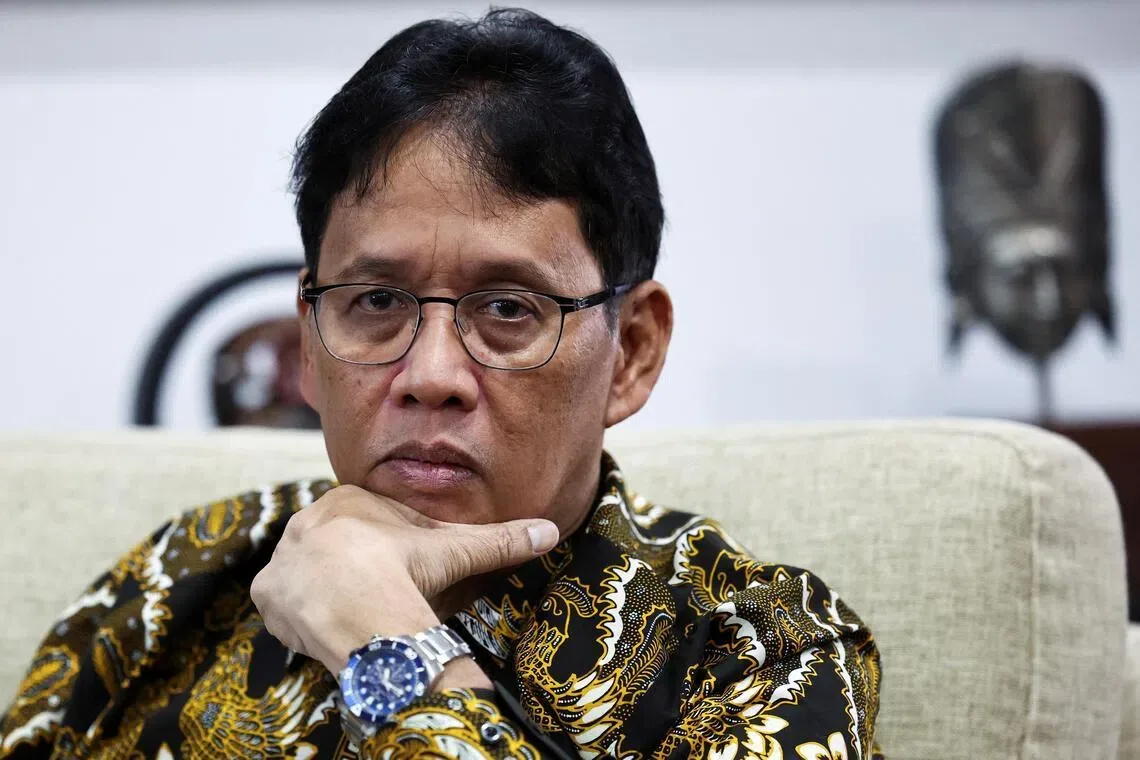
The Indonesian government began investigating prominent palm oil producers for alleged under-invoicing and transfer pricing in commodity exports, aiming to curb tax evasion and hidden profits [1]. Wilmar International and Musim Mas Group are the main companies being probed, Finance Minister Purbaya Yudhi Sadewa confirmed. "Wilmar International Limited and the Musim Mas Group are among the palm oil companies now being probed for suspected 'under-invoicing' of exports," he stated [2].
Other firms such as Salim Ivomas have also been named as potentially involved in under-invoicing, according to government sources [1]. Under-invoicing means invoicing goods at a price below market value to conceal true profits and avoid paying taxes [2].
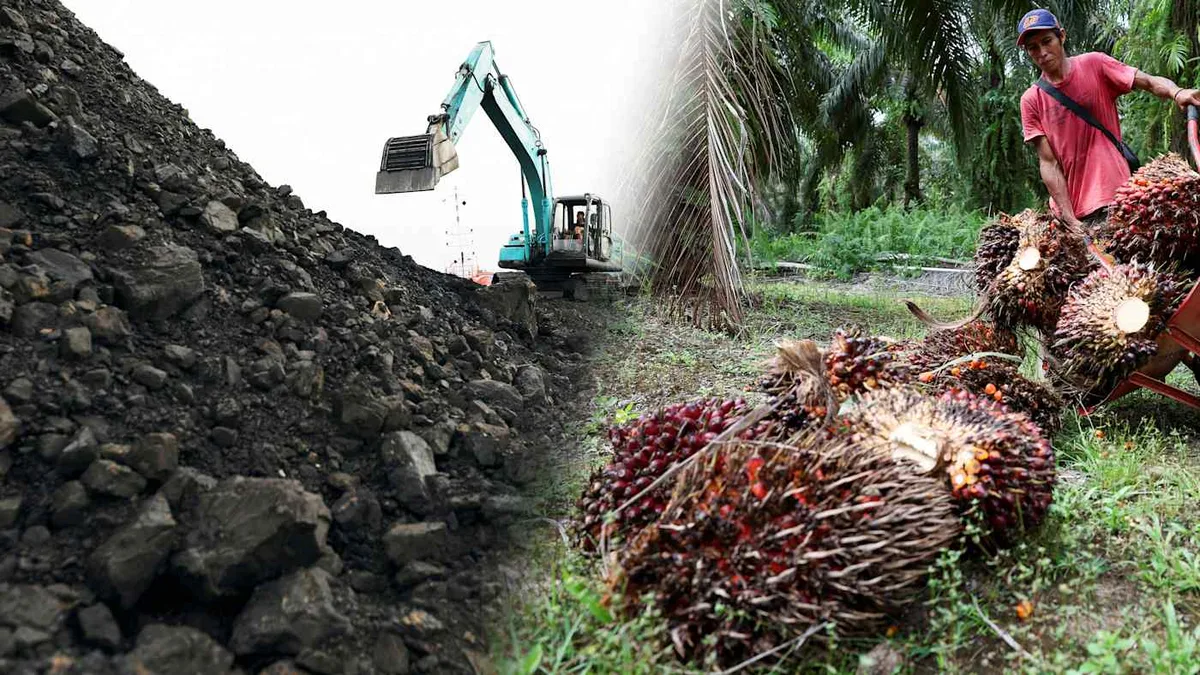
The investigation follows Indonesia's announcement in early May 2026 of a plan to centralize exports of key commodities including palm oil and coal. The plan aims to boost government revenue by enforcing tighter controls on export pricing and sales [2].
President Prabowo Subianto highlighted the scale of the issue, saying selling commodities cheaply had cost Indonesia about USD 908 billion since 1992. "Selling commodities on the cheap had lost the country US$908 billion since 1992," he said [2].
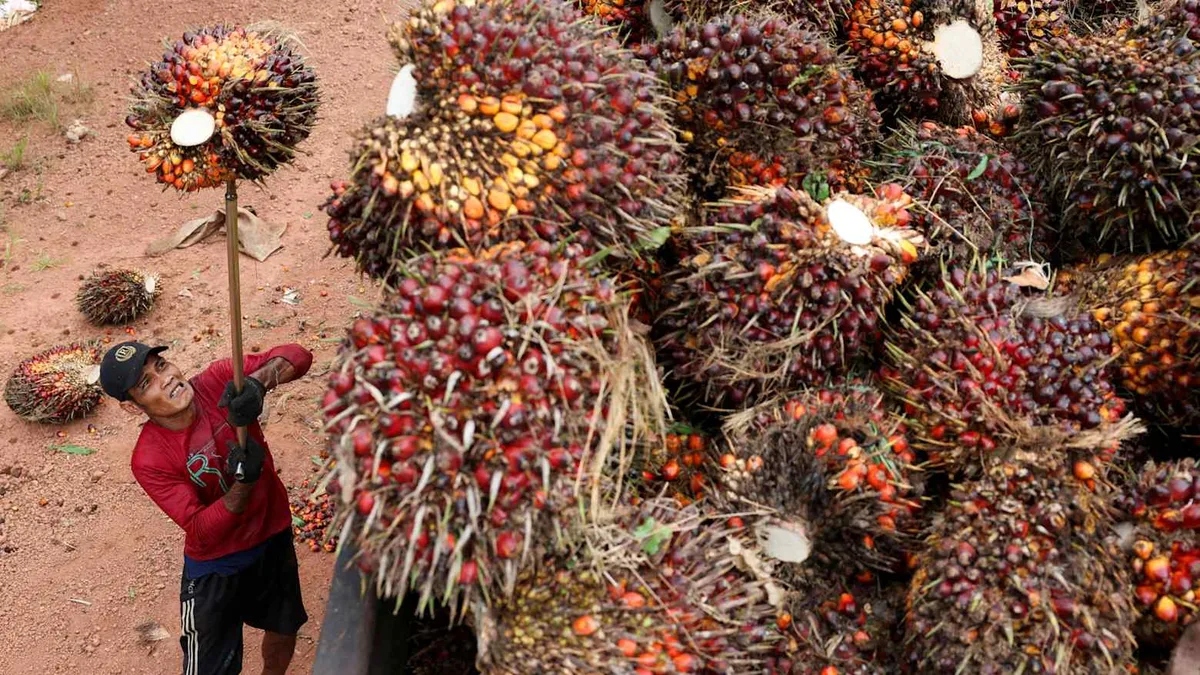
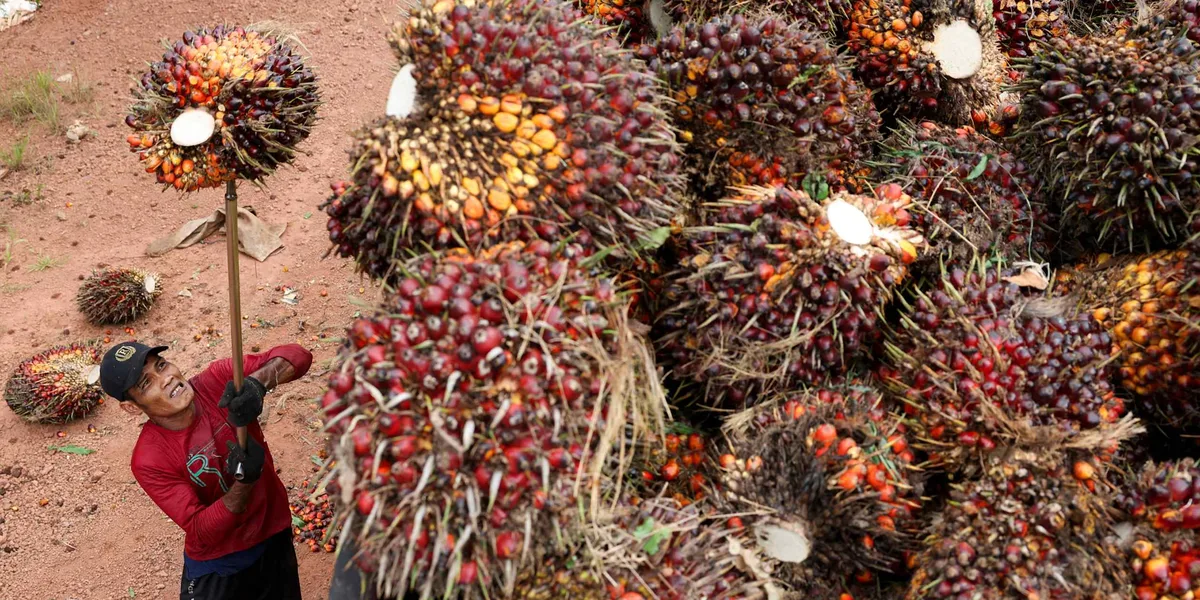
Since the export centralization announcement, prices of palm oil fresh fruit bunches at the farmer level have collapsed, reflecting market uncertainty and supply chain adjustments [2]. Wilmar International operates about 234,334 hectares of oil palm plantations as of the end of 2025, with 66% of that area located in Indonesia [2].
Finance Minister Sadewa publicly disclosed the investigations on May 26, 2026, targeting Wilmar, Musim Mas, and other exporters amid efforts to clamp down on export under-invoicing [2]. The government’s export centralization policy was unveiled about a week earlier as part of its revenue-enhancing measures [2].
Authorities are expected to continue scrutinizing export transactions and enforce new controls in the coming months to recover revenue lost through under-invoicing and stabilize commodity markets.